If you’re seeking a way to elevate your home or commercial interior, few features deliver as much visual impact as metal ceiling tiles. With their crisp lines, reflective surfaces, and vast design choices, these tiles offer a blend of function and style that’s hard to beat. Trends show that metal ceiling tiles are experiencing a strong comeback, inspiring homeowners and designers alike to explore tin tile ceiling installations along with diverse metal ceiling solutions for modern and classic spaces. This article unpacks how these ceilings can upgrade your environment, what sets them apart, and smart ways to care for them long-term.
Whether you’re drawn to the history-laden look of a pressed tin tile ceiling or prefer the sleek minimalism of brushed aluminum, you’ll discover that metal ceiling tiles present both aesthetic and practical advantages. We’ll walk you through the different types of metal ceiling options, explain their evolution in interior design, and provide actionable advice for choosing, maintaining, and enjoying your ceiling upgrade for years to come.
What are metal ceiling tiles and why are they popular?
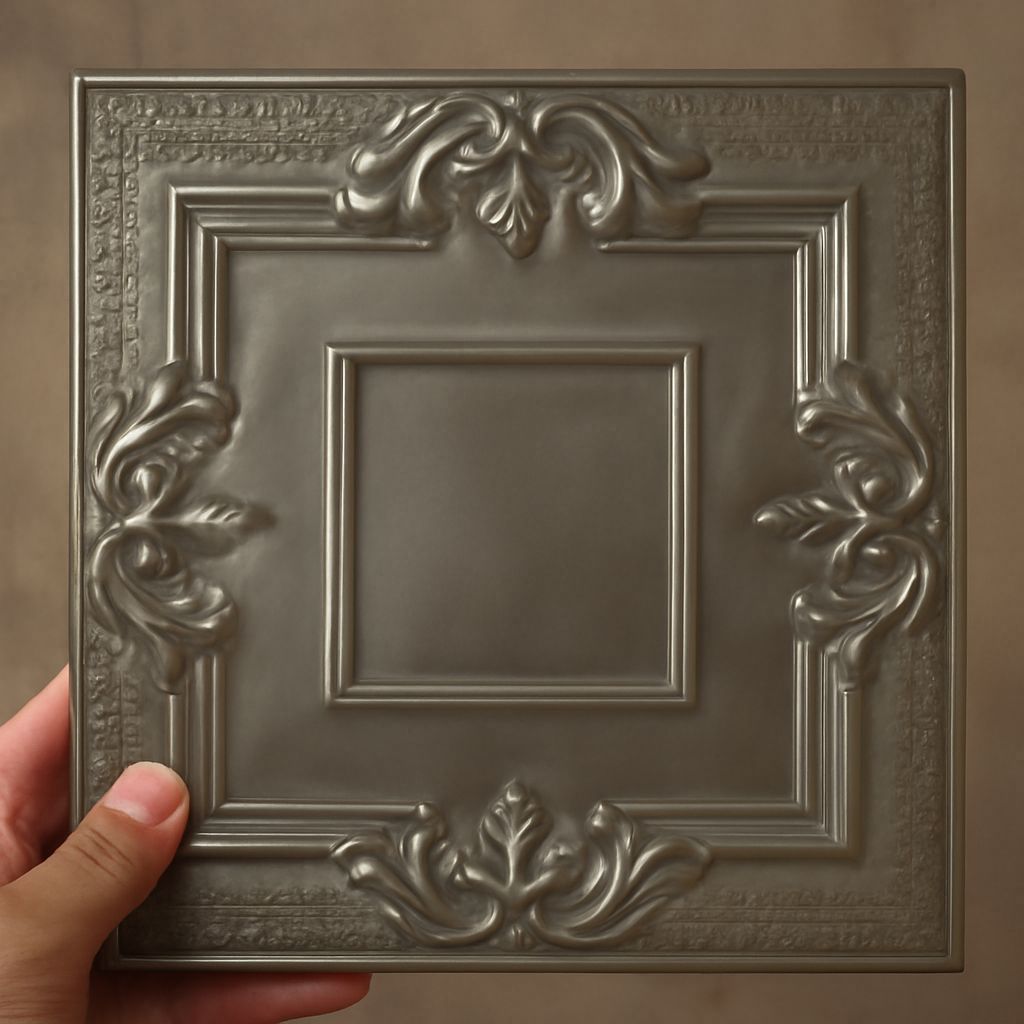
Metal ceiling tiles refer to decorative panels made from various metals, most commonly tin, aluminum, or steel, designed to be installed overhead. These tiles first gained popularity in the late 19th and early 20th centuries, valued for their intricate patterns and fire-resistant properties. Today, they’re making a resurgence thanks to their unique charm, durability, and the sense of luxury they impart to any setting.
The resurgence of metal ceiling tiles is driven by their ability to blend tradition with contemporary flair. You’ll find them adding character to restaurants, boutiques, and residential spaces alike. Their reflective surfaces can brighten rooms and make them feel more expansive, while the diverse range of finishes—matte, gloss, antiqued, or painted—allows you to tailor the look to your aesthetic preferences.
People are gravitating toward metal ceiling tiles not just for their visual appeal but also for practical reasons. Their resistance to fire, moisture, and pests makes them a smart investment, especially in kitchens, bathrooms, or commercial settings where durability is essential. Metal ceiling tiles are also easy to wipe down and keep clean, adding to their popularity among busy homeowners and facility managers.
From making a dramatic statement in a foyer to introducing subtle texture in a powder room, metal ceiling tiles offer flexible design possibilities. Their easy-to-install nature and compatibility with both traditional and suspended ceiling grids further boost their appeal among do-it-yourself enthusiasts and professionals alike.
The evolution of metal ceiling designs in interior spaces
The history of metal ceiling solutions is rich and varied. In their earliest iterations, pressed metal tiles were celebrated for replicating the ornate look of European plasterwork at a fraction of the cost. Early American homes and businesses frequently embraced the tin tile ceiling, combining decorative flair with practical durability.
Over time, tin tile ceiling patterns evolved from floral and geometric Victorian motifs to Art Deco sunbursts and streamlined modern lines. The progression of manufacturing techniques has enabled more precise and diverse stamping, giving rise to an abundance of new designs and finishes. Today’s interior designers often blend vintage and contemporary influences by mixing classic tin patterns with brushed or powder-coated aluminum panels.
Modern metal ceiling designs have expanded to include minimalist panels, industrial-inspired corrugated sheets, and even custom laser-cut motifs. You can now find metal ceiling options that suit virtually any décor style, from rustic farmhouse kitchens to ultra-sleek office lobbies. The adaptability of materials like steel and aluminum also means metal ceilings can be used in high-humidity environments or high-traffic commercial spaces.
This evolution has kept metal ceiling tiles relevant for generations. Their ability to transition seamlessly between old-world charm and modern simplicity ensures ongoing popularity. By choosing metal tiles, you’re participating in a design tradition that continues to reinvent itself with each passing decade.
Comparing metal ceiling options: From classic tin tile ceiling to modern styles
When it comes to choosing among metal ceiling tiles, the breadth of options can be both exciting and overwhelming. Classic tin tile ceilings remain a staple for those seeking vintage flair, featuring detailed embossing and an iconic silver or whitewashed finish. These pressed metal panels evoke turn-of-the-century architecture and pair beautifully with both period and eclectic interiors.
Contemporary metal ceiling solutions, on the other hand, include sleek aluminum grids, colored steel sheets, and modular clip-in systems. These options cater to those who crave a clean, modern aesthetic or want practical benefits like sound attenuation or easy access to ceiling infrastructure. Exploring various finishes—from metallic lacquers to painted hues—lets you customize the vibe to match your space’s palette.
If you’re considering a DIY installation, modular metal ceiling solutions are often the easiest to handle, thanks to their lightweight construction and intuitive mounting systems. Meanwhile, custom-fabricated panels open doors to creative shapes and detailed motifs, allowing for one-of-a-kind designs. Always weigh the specific benefits and aesthetics each type of tile offers before making your selection.
For complex design applications or adapting metal ceiling tiles to challenging spaces, consult an experienced interior stylist or contractor. Their expertise can help you achieve a flawless fit and finish, ensuring long-term satisfaction and optimal performance from your ceiling upgrade.
Benefits and practical considerations of installing metal ceiling tiles
Opting for a metal ceiling comes with a wide array of advantages. Among the most compelling are resilience and longevity—metal tiles resist warping, cracking, and moisture damage better than many traditional materials. Their non-combustible nature also offers enhanced safety, particularly in kitchens and commercial venues.
Acoustic performance is another key benefit. Whether using tin tile ceiling systems or modern perforated aluminum panels, you can boost sound absorption or deflection, creating a more comfortable atmosphere. Additionally, the reflective quality of metal helps brighten dim spaces, reducing reliance on artificial lighting and contributing to energy savings.
Installation of metal ceiling tiles can be straightforward, especially with drop-in or snap-together formats. However, working with metal may require special tools or fasteners; careful measurement and planning are crucial for a seamless look. If you’re tackling a large or intricate ceiling project, consider hiring a licensed installer to avoid common pitfalls and ensure safety.
Finally, don’t overlook the weight of certain metal ceiling options—reinforcing your ceiling joists may be necessary in some cases. Upfront investment can be higher than with standard drywall or acoustic tiles, but the long-term durability and timeless appeal often justify the cost.
How to maintain and care for your metal ceiling
With proper care, metal ceiling tiles will retain their beauty for decades. Routine upkeep involves dusting with a microfiber cloth or using a vacuum cleaner’s soft brush attachment. For more stubborn grime, gentle cleaning with a mild soap solution is recommended—avoid abrasive pads or harsh chemicals, which can scratch or tarnish the finish.
Addressing minor scuffs or water spots is usually as simple as wiping with a damp cloth, but for persistent stains or damage, touch-up paint or metal polish may be required. For finishes like antiqued or painted tin, always test cleaning products on a hidden area first. Regular inspections will help you spot any early signs of corrosion or loose tiles, letting you make timely repairs.
If you have installed specialty coatings, such as lacquered or powder-coated metal ceiling tiles, follow the manufacturer’s guidance for cleaning and maintenance. In cases of significant discoloration, intricate restoration, or structural issues, consult a licensed contractor or restoration specialist to preserve your ceiling’s integrity.
Consistent attention keeps your ceiling looking sharp and prevents minor issues from developing into costly repairs. By integrating these maintenance habits, you ensure that your metal ceiling remains as stunning as the day it was installed.
Bottom line: Metal ceiling tiles, from classic tin to contemporary steel and aluminum, deliver a combination of beauty, performance, and longevity for interiors. Whether you’re restoring a historic home or designing a modern space, this material offers timeless style and practicality—making it a smart and elegant choice for any ceiling project.