Metal roof decking is a foundational component of today’s commercial and residential roofing systems. Whether you’re planning a new build or replacing an old roof, understanding the specifics of metal deck roof structures is crucial for making informed decisions. Steel roof decking, in particular, stands out due to its remarkable durability and adaptability in various architectural applications.
This article offers a comprehensive guide to metal roof decking, detailing how it functions, its primary advantages, the popular types of steel roof decking available, and essential installation and maintenance tips. By grasping these key areas, you’ll be well-equipped to choose the right roof decking solution that meets the demands of modern roofing projects while ensuring long-term performance.
Understanding metal roof decking: What is it and how does it work?
At its core, metal roof decking serves as a structural substrate for roofing assemblies, providing a stable platform to support insulation, waterproofing membranes, and finished roofing materials. Most commonly fashioned from galvanized steel or aluminum, roof decking panels are designed to span between structural members such as beams or joists, distributing weight and enhancing the overall load-bearing capability of the roof system.
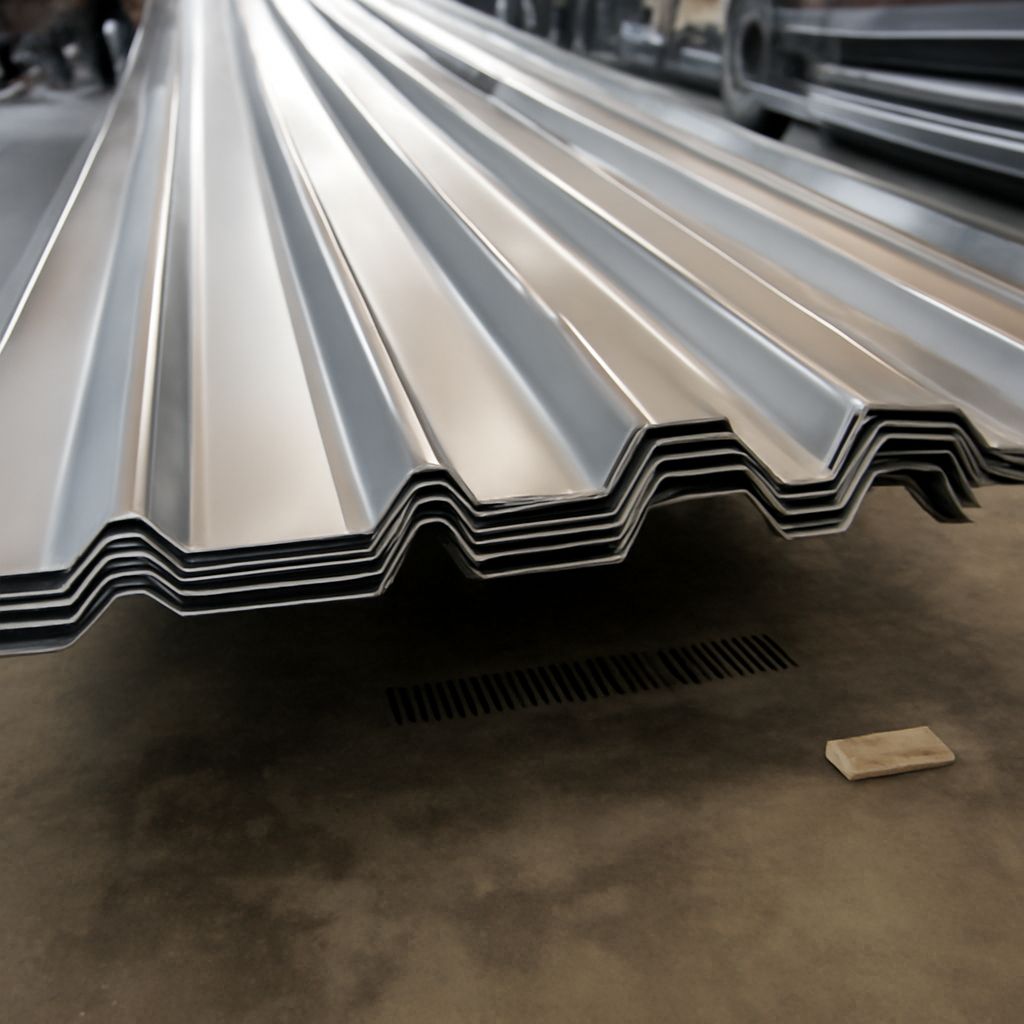
The basic principle behind steel roof decking involves installing a series of corrugated metal panels across the building’s framing. These panels are fastened securely to the supports, creating a continuous surface that not only holds the rest of the roofing system but also adds rigidity to the overall structure. This reinforced system helps resist wind uplift, snow loads, and other environmental forces, making it a preferred choice for both flat and sloped roofs.
Metal deck roof panels come in various profiles, gauges, and finishes to accommodate different architectural requirements and load demands. Whether you’re working on an industrial warehouse or a modern home, the adaptability of these deck panels makes them suitable for a broad range of applications. Their engineered design ensures each panel interlocks or overlaps, reducing the risk of leaks and helping maintain a weather-tight envelope.
By understanding the role and construction methods for metal roof decking, you lay the groundwork for a robust, long-lasting roofing system that meets modern building codes and safety standards.
Key benefits of choosing a metal deck roof
Opting for a metal deck roof brings a host of significant advantages to your roofing project. Among the foremost benefits is exceptional structural strength—steel roof decking systems are engineered to handle heavy loads, resist deformation, and provide long-term stability. The inherent strength of galvanized steel makes it an ideal choice when you need a sturdy foundation for insulation, weatherproofing, and rooftop installations.
Metal roof decking also offers remarkable fire resistance compared to traditional wood or composite alternatives. Installing a steel substrate helps protect your building from fire hazards, a vital consideration for commercial structures and high-occupancy spaces. The fireproof qualities of steel can lower insurance premiums and contribute to safer environments overall.
Another key reason for choosing steel roof decking is its adaptability. You’ll find that these systems can be tailored to suit various design requirements, whether you need acoustical properties, specific load ratings, or a certain appearance to complement other architectural elements. Moreover, using metal deck roofing panels speeds up construction times and reduces labor costs, thanks to their lightweight design and modular assembly process.
Finally, steel roof decking is celebrated for its long-term value. Its resilience in harsh weather, resistance to pests, and minimal maintenance needs all contribute to a lower total cost of ownership compared to alternative decking materials. With the potential for recycling at the end of its service life, steel decking is also a sustainable choice for environmentally conscious projects.
Popular types of steel roof decking for different projects
Choosing the appropriate kind of metal roof decking is critical for the success and durability of your project. The most widespread designs include form deck, composite deck, and cellular deck, each serving distinct purposes based on the building’s engineering requirements.
Form deck is primarily used as a stay-in-place form for concrete slabs, offering basic structural support during installation. Its simple profile and ease of handling make it a top pick for projects requiring speedy roof assembly with straightforward load demands. Composite roof deck, on the other hand, is designed with interlocking ribs that bond with concrete to form a unified slab, dramatically raising the system’s strength and stiffness. These composite systems are well-suited for high-traffic buildings, such as schools or office complexes.
Cellular steel decking incorporates a flat bottom pan welded to a standard corrugated deck, creating a concealed raceway for wiring, lighting, or plumbing. This type of deck is favored in applications where a clean interior ceiling appearance is desired or where integrated utility runs are needed. Exploring variations such as acoustical and perforated profiles can also help meet specialized needs for noise control and ventilation.
Ultimately, the selection of steel roof decking depends on project-specific factors—structural span requirements, load considerations, and even aesthetic goals. Consulting with a professional roofing contractor or structural engineer early in the planning phase can help ensure the right match for your building’s needs.
Installation considerations and best practices for metal roof decking
Proper installation of metal deck roofing panels is essential for achieving maximum performance and longevity. Begin by verifying that structural supports are level and adequately spaced to handle the load requirements. Precision in measuring, cutting, and aligning steel decking panels ensures a tight, secure fit and reduces the risk of future issues like leaks or thermal movement.
When securing metal roof decking, use fasteners that are compatible with the panel’s coating and material; this prevents corrosion and maintains structural integrity. Pay particular attention to seam placement and overlapping, following manufacturer recommendations to create a consistent, weather-resistant surface. For projects with complex roof geometries or requiring integration with insulation, vapor barriers, or rooftop mechanicals, professional installation is highly recommended to avoid costly errors.
Safety is non-negotiable when installing steel roof decking. Always wear appropriate fall protection and personal protective equipment, and ensure the work area is free from hazards. Additionally, complying with local building codes and industry standards is crucial. Consider consulting a licensed roofing specialist for large-scale or intricate projects, as their expertise helps guarantee both code compliance and premium workmanship.
Lastly, coordinate closely with electrical, HVAC, and plumbing trades when utility penetrations or integrated raceways are part of the design, ensuring all components align seamlessly for efficient, trouble-free operation.
Maintenance and longevity of steel roof decking systems
With regular care, metal roof decking systems offer decades of reliable performance. Routine inspections, at least once a year or after severe storms, should focus on detecting signs of rust, loose fasteners, or mechanical damage. Addressing minor issues promptly can prevent moisture infiltration and more extensive repairs down the road.
Keeping the roof surface clear of debris, standing water, and organic buildup is vital to preserving the steel’s protective finish. When cleaning, use non-abrasive brushes and mild detergents to avoid damaging the decking’s coating. For coated or painted steel roof decking, periodic touch-ups help maintain both aesthetics and resistance to environmental exposure.
If you notice significant corrosion, persistent leaks, or structural damage, it’s best to consult a licensed roofing contractor. They can assess the extent of the problem and recommend appropriate repairs or replacement, ensuring the safety and performance of your roof system.
With preventive maintenance and prompt attention to emerging issues, you’ll maximize the lifespan of your metal decking, maintaining its structural integrity and appearance far into the future.
Next steps: To protect your investment, establish a regular maintenance routine and work with qualified professionals for inspections and repairs. When planning a new installation or major upgrade, always consult structural engineers or licensed roofing specialists to confirm your design meets all safety and performance standards.