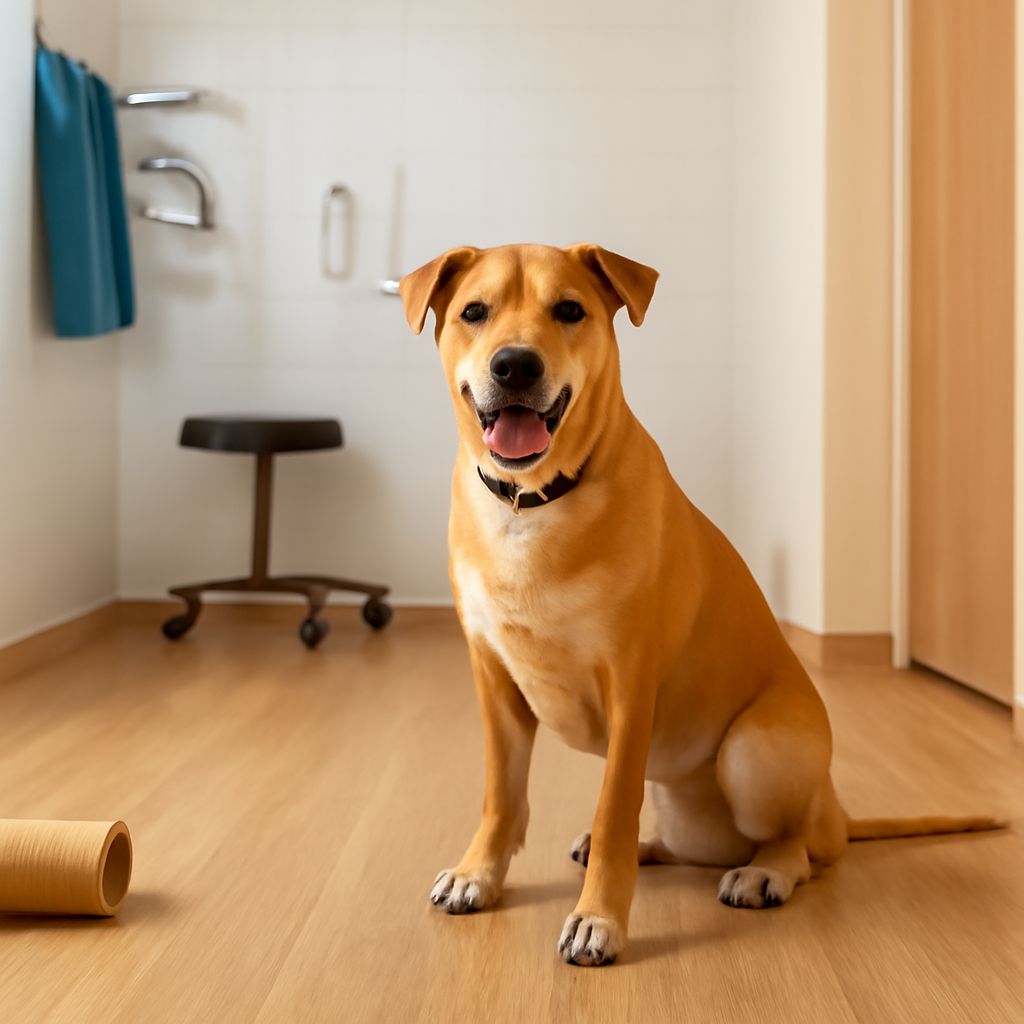
A muddy dog coming through a back door puts a floor to a different test from a small dog resting in a bedroom. The entry needs quick cleanup and secure footing when wet; the bedroom may put comfort and quiet first. The best floors for dogs depend on where paws, water, and grit meet.
Start with the room, then compare pet-friendly floor options by scratch resistance, moisture exposure, cleaning, and grip. A sample on the floor tells you more than a catalog photograph: observe how your dog walks across it, and try cleaning a little tracked-in dirt from its surface.
Pet friendly flooring options: compare the trade-offs
Among pet friendly flooring options, luxury vinyl plank or tile is a practical all-rounder for a busy living room. Its wear layer helps resist scuffs, and many products have a waterproof core. Wipe spills promptly: water can still reach the subfloor through joints or around edges. A textured sample can offer better footing than a slick finish, but texture varies by product. The best flooring for dogs in a household with frequent spills may be a vinyl product approved for that room and installed to its instructions.
Porcelain or ceramic tile handles moisture and is generally hard to scratch. It suits a mudroom or laundry room, where you can mop up wet tracks. For dogs, the best floor in this wet space has a floor-rated tile surface suited to the expected conditions; a glossy wall tile is a poor substitute. Tile is hard and cool underfoot, and grout needs cleaning. A washable, nonslip-backed mat can make a resting spot more comfortable.
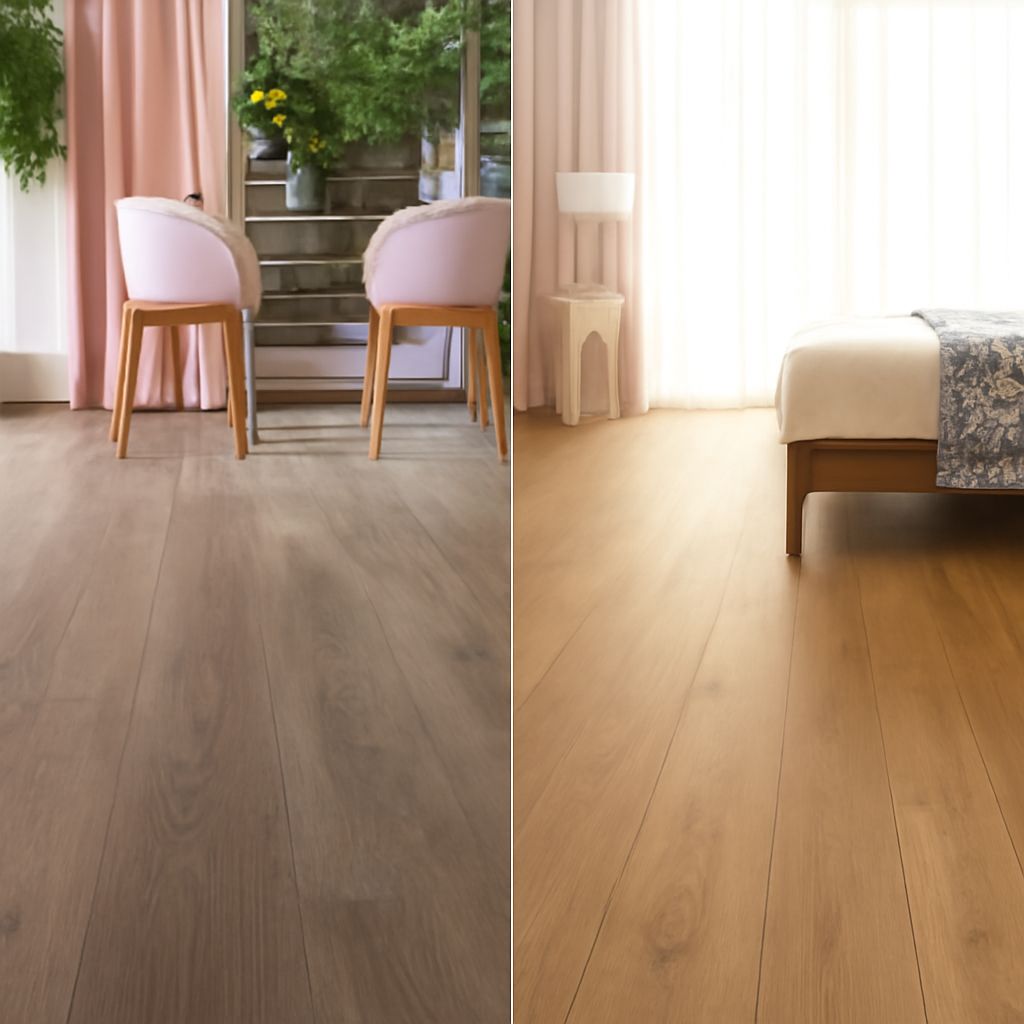
Among the better floor choices for dogs in dry rooms, laminate offers a tough wear surface and a range of wood looks. Some products are designed to resist water for a stated period, while others are more vulnerable at the seams. Read the specific spill and cleaning instructions, especially around bowls. The best flooring for dogs that race through a dry hallway may be textured laminate, provided you accept its moisture limits and use a runner where traction is needed.
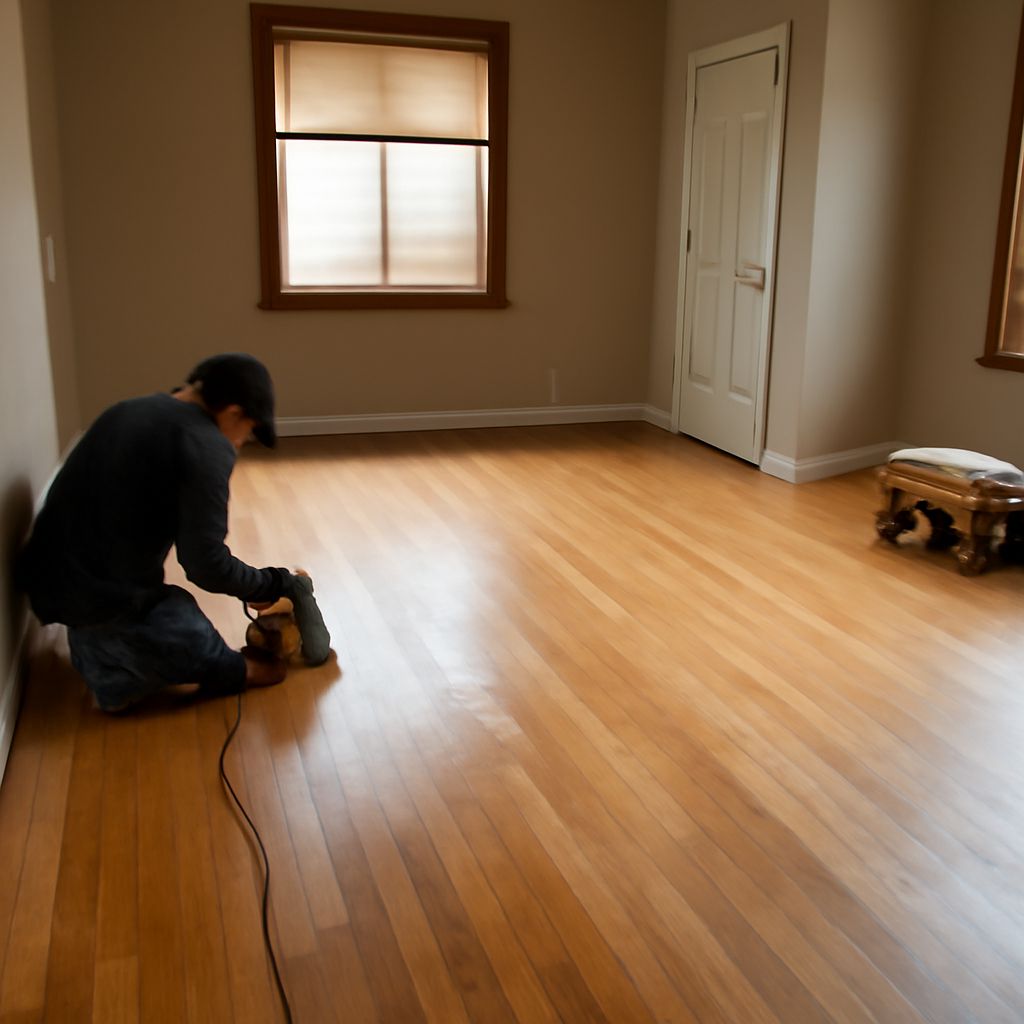
Wood can be repaired and refinished in some cases, but claws and grit can mark its finish, and standing water can damage it. Solid and engineered boards differ in how much material is available for refinishing; ask about the particular product before counting on that option. For a dog-friendly floor with a natural wood surface, place breathable mats at entrances and wipe spills quickly. The National Wood Flooring Association recommends both practices.
Carpet is soft and can give paws purchase, but accidents and tracked-in dirt demand more work. Pet-friendly flooring choices should include the pad and backing in the cleanup calculation. Choose a low-pile product with a stain-resistant treatment if softness matters most, and check the backing and pad as well as the surface. A removable, washable rug over a hard floor is easier to replace after a stubborn stain. Cats may pull loops with their claws, so the best flooring for cats in a shared home may be a hard surface with a separate washable resting rug.
Match the surface to the room
For a wet entry, the best floor covering for dogs may be floor-rated textured tile or a vinyl product approved for the location. Set a mat inside the door to catch grit before it travels. If the room also has a water bowl, leave enough clear space to lift and clean beneath it. The best flooring for dogs that arrive home wet needs a cleaning routine as well as a resilient surface.
For a living room, weigh sound and comfort against cleanup. Vinyl can be a sensible middle ground when choosing the best flooring for a dog; a rug adds a softer place to lie down and a path across a slippery stretch. Test the rug backing on the chosen finish and follow its care instructions. A floor that works well for dogs should also let you reach and clean its edges without moving heavy furniture every day.
For a bedroom with an older floor you want to keep, a washable runner may solve a traction problem without replacing the whole surface. Secure it with a pad compatible with the finish, then clean and dry underneath it regularly. If a cat shares the room, flooring that suits cats as well as dogs should resist both tracked litter and claw marks; test a sample before buying.
Check installation before ordering
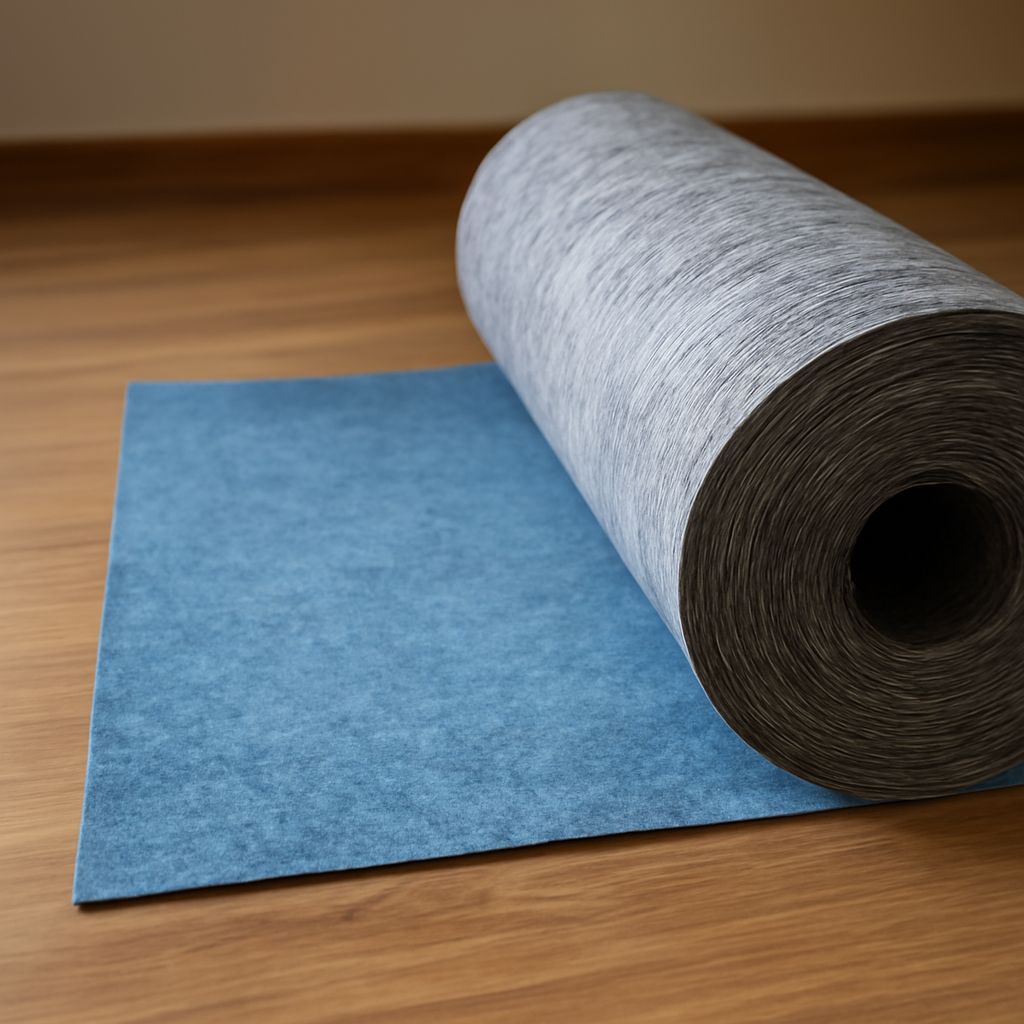
Measure the room and include closets, doorways, and transitions. Ask the retailer how much extra to order for cuts and the installation pattern. Add removal, disposal, underlayment, trim, and subfloor repairs to the budget. The cheapest box can become the dearest floor when preparation is omitted.
Lift a loose edge of existing flooring only if you can do so safely and know what it is. Older flooring or adhesive may contain asbestos; have suspect material assessed before disturbing it. Check the subfloor for movement, moisture, and flatness against the selected manufacturer’s requirements. A click-lock vinyl floor still needs a suitable base and the specified expansion gaps; tile requires an appropriately prepared, stable substrate. For a concrete slab, follow the product’s moisture-testing and underlayment instructions.
Waterproof planks are not a waterproof room. Armstrong’s flooring guidance distinguishes the plank from the subfloor beneath it. Use the specified edge treatment in wet areas, and address leaks rather than covering them.
Make the final choice
What is the best flooring for dogs? For a muddy entry, choose a floor-rated textured tile if the substrate can support the installation and you can maintain the grout. For a busy living room, compare textured waterproof vinyl samples and their installation requirements. If the question is which flooring is best for your dog in a dry bedroom, comfort and grip may make a washable rug over the existing floor the better investment. The best floor for your dog is the one that handles the room’s actual traffic and can be kept clean with the effort you are willing to spend.