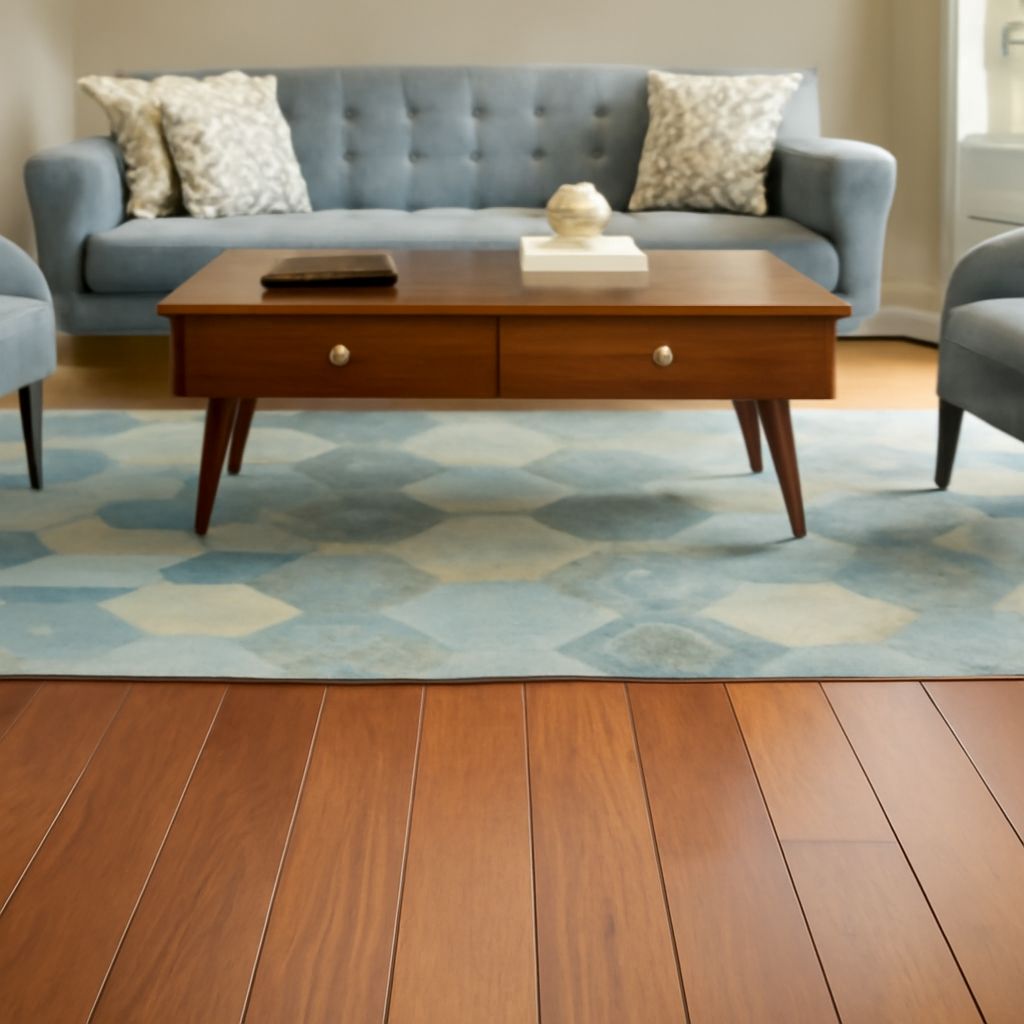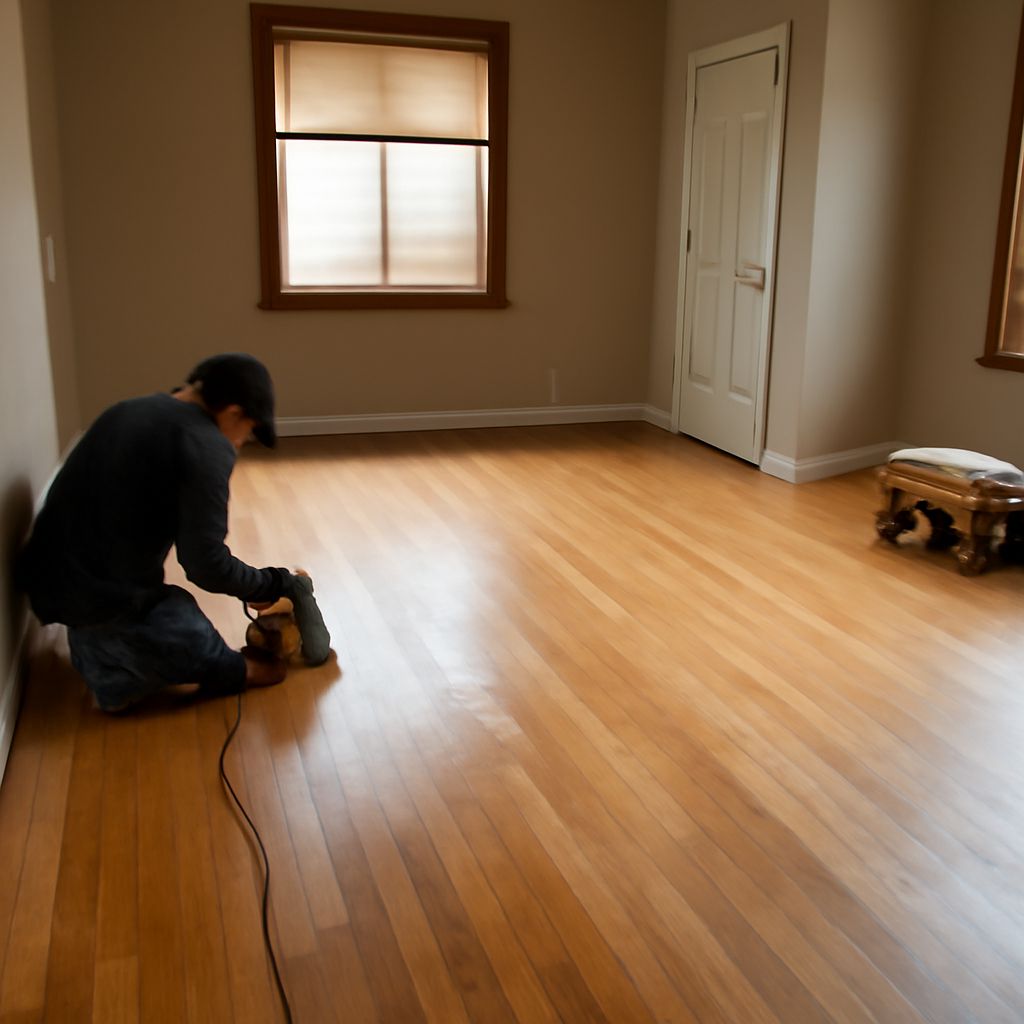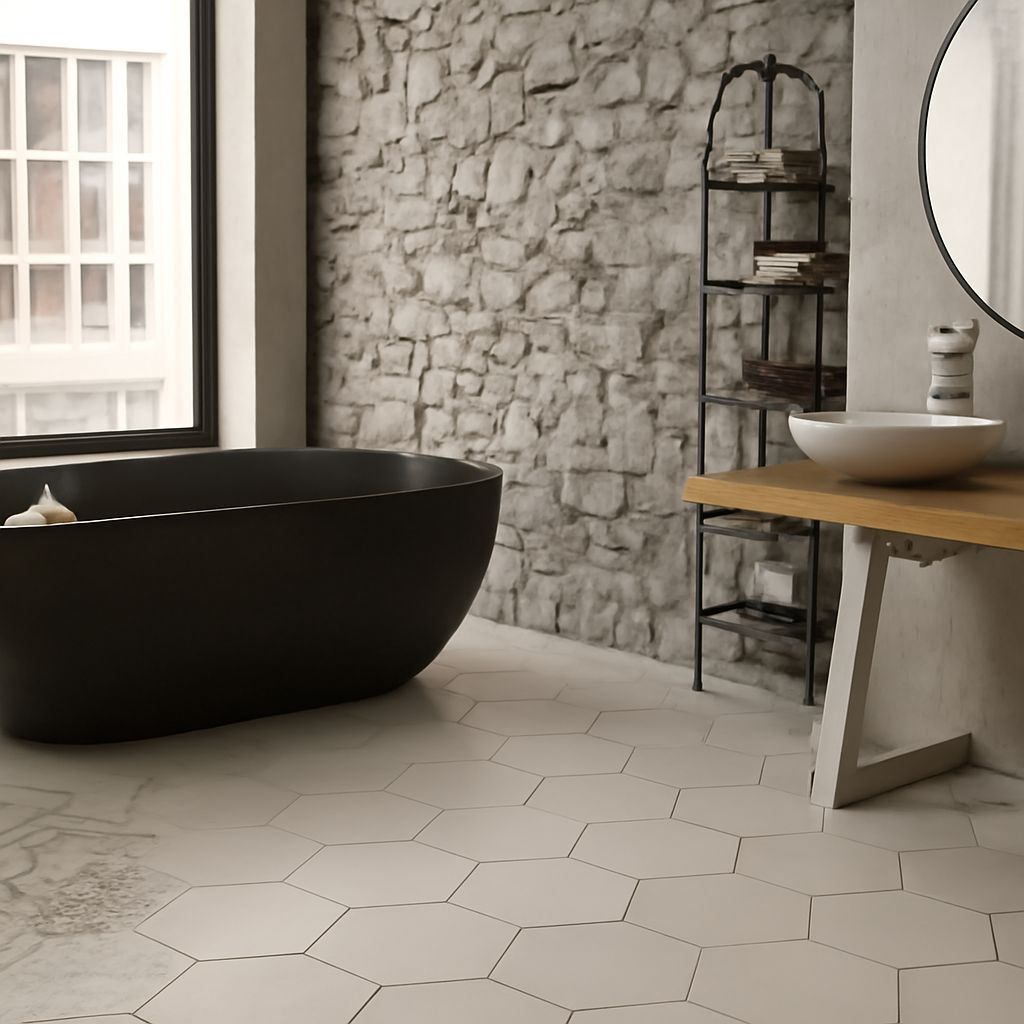
A floor that looks excellent in a showroom may feel slippery after a shower or allow water to reach the subfloor at an unfinished edge. Compare bathroom floor choices by their wet-use rating, the condition of the base, and the way joints and fixtures are sealed. The different flooring materials for a bathroom also carry different installation and maintenance costs, so price the whole job before choosing a pattern.
Types of Bathroom Flooring: Compare the Materials
The types of bathroom flooring differ in surface, preparation, and upkeep. Ceramic and porcelain tile offer a wide choice of colors and sizes. Porcelain has low water absorption, but the finished floor also depends on grout, joints, substrate, and any waterproofing system. Tile can be cold and hard underfoot, and a moving or weak subfloor can lead to cracked grout or tile. A skilled installer adds cost but can address layout and preparation.
Sheet vinyl can provide a resilient surface with few seams in a small room. Its suitability depends on the product and how seams, edges, and penetrations are treated. It needs a smooth base because ridges and defects can show through. Careful fitting around a toilet, vanity, and door casing matters.
Luxury vinyl planks or tiles are available in many wood and stone looks. Some have waterproof cores, but water can still travel through joints or around the floor’s edge. Confirm that the specific product is approved for bathrooms and follow its instructions for underlayment, expansion space, and perimeter treatment. Not every floating floor may be installed under fixed cabinets or sealed in the same way.
Other bathroom flooring options include properly specified natural stone and finished concrete. Stone may need sealing and material-specific cleaners; concrete may need repair and a coating suited to the slab and wet use. Both require an assessment of traction and the complete installed assembly. A product’s appearance is only the first line of its job description.
Check Traction Where Feet Get Wet
Among bathroom flooring choices, choose a floor intended for the conditions outside the shower or tub. Ask the seller for the manufacturer’s wet-use classification and cleaning instructions. Textured finishes can improve grip, though texture also needs regular cleaning to prevent soap and soil buildup. A small sample is useful for seeing the surface, but it cannot reproduce every condition of a wet floor.
The Tile Council of North America explains that flooring classifications depend on intended use and slip-resistance properties. For a shower floor, slope, drainage, surface texture, tile size, and grout joints also matter. Use a complete shower assembly and products approved for that location; the main bathroom floor and shower pan do different jobs.
Keep the floor clean, wipe standing water, and use a bath mat with a suitable non-slip backing. No material eliminates the need to manage water underfoot.
Prepare the Base and Control Water
Before installing any of the available floor coverings for a bathroom, inspect the existing floor for soft spots, movement, stains, and leaks. Repair plumbing problems and replace damaged subfloor material. Check that the base is structurally sound, clean, dry, and flat enough for the chosen product. Concrete may need moisture testing according to the floor and adhesive instructions.
For different bathroom floor types, preparation starts with the specified substrate. Tile needs an appropriate substrate and setting system. Vinyl requires the surface and adhesive or underlayment specified for that product. Do not use a cushion to hide a large dip or install over loose material. Correcting the base can cost more than expected, but it protects the finish you pay to install.
Plan the details around the tub, toilet, vanity, and doorway before work starts. Use the sealant and joint treatment required by the flooring and waterproofing manufacturers, and keep required movement spaces. Grout and surface sealers do not replace a waterproofing system where one is required. The EPA recommends preventing bathroom water from reaching the subfloor.
Compare Care and Installed Cost
When considering what is the best flooring for a bathroom, start with the amount of water on the floor and the people using it. The best bathroom floor for a busy family may be a product approved for frequent wetting and easy cleanup; a powder room may allow more choices because it has no shower or tub.
The best bathroom flooring ideas also account for maintenance. The right bathroom floor should suit the cleaning routine you can maintain. Tile grout needs cleaning and, depending on the grout, periodic sealing. Vinyl generally needs sweeping and the manufacturer’s recommended cleaner; harsh chemicals or steam may be unsuitable. Stone care varies with the stone and finish. Ask how a damaged tile or plank can be replaced and keep a small supply of matching material.
For these bathroom flooring alternatives, measure length and width in feet and multiply to find square footage. Add the manufacturer’s allowance for cuts and waste. Compare quotes for material, demolition and disposal, subfloor repairs, waterproofing or underlayment, adhesive, trim, toilet removal and reset, labor, and cleanup. A low price per square foot can grow quickly once a damaged base is exposed.
For example, 50 square feet of material at a hypothetical $4 per square foot costs $200 before waste and installation. At $8, the material costs $400. Request itemized estimates for your actual room; the difference between complete jobs may be larger or smaller than the difference in materials alone.
To decide on the best floor for your bathroom, compare bathroom flooring options approved for its moisture exposure, select a surface suitable for wet foot traffic, and choose the installed system that fits your budget.