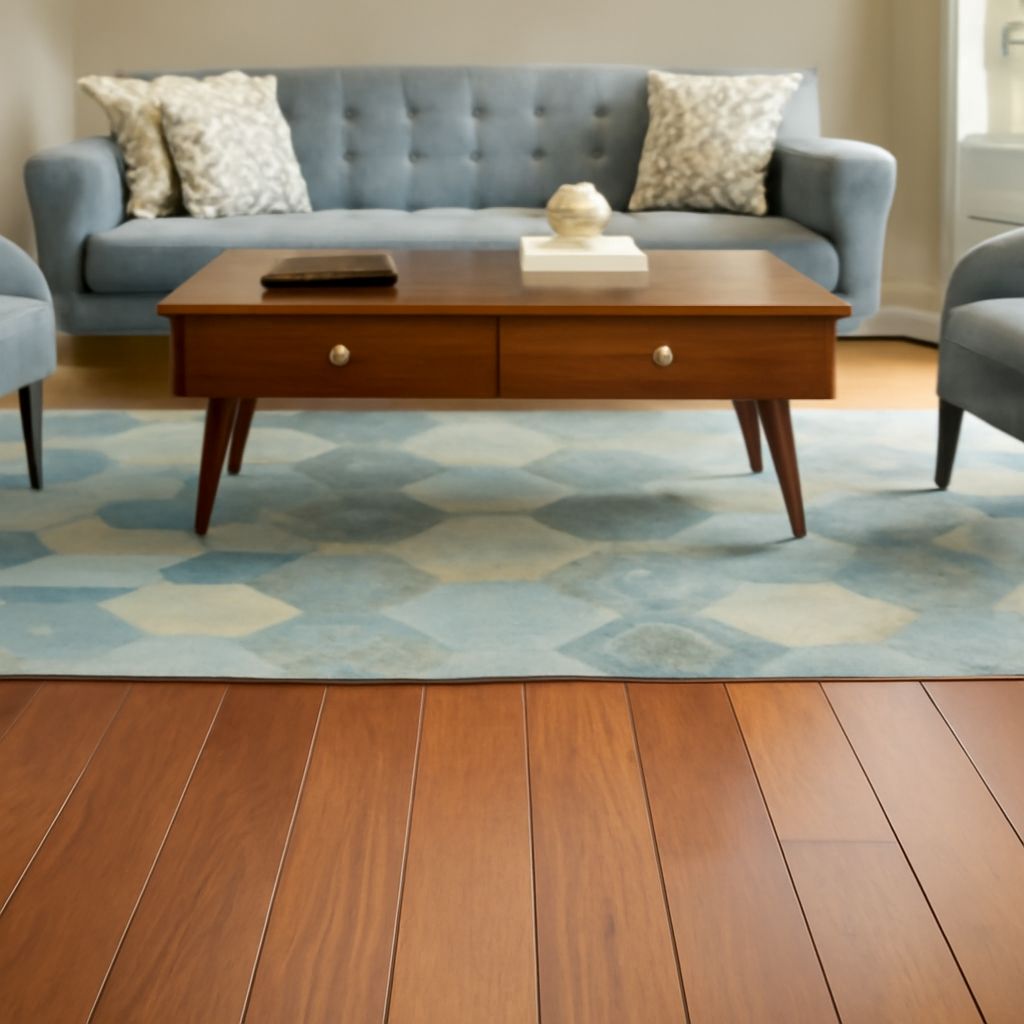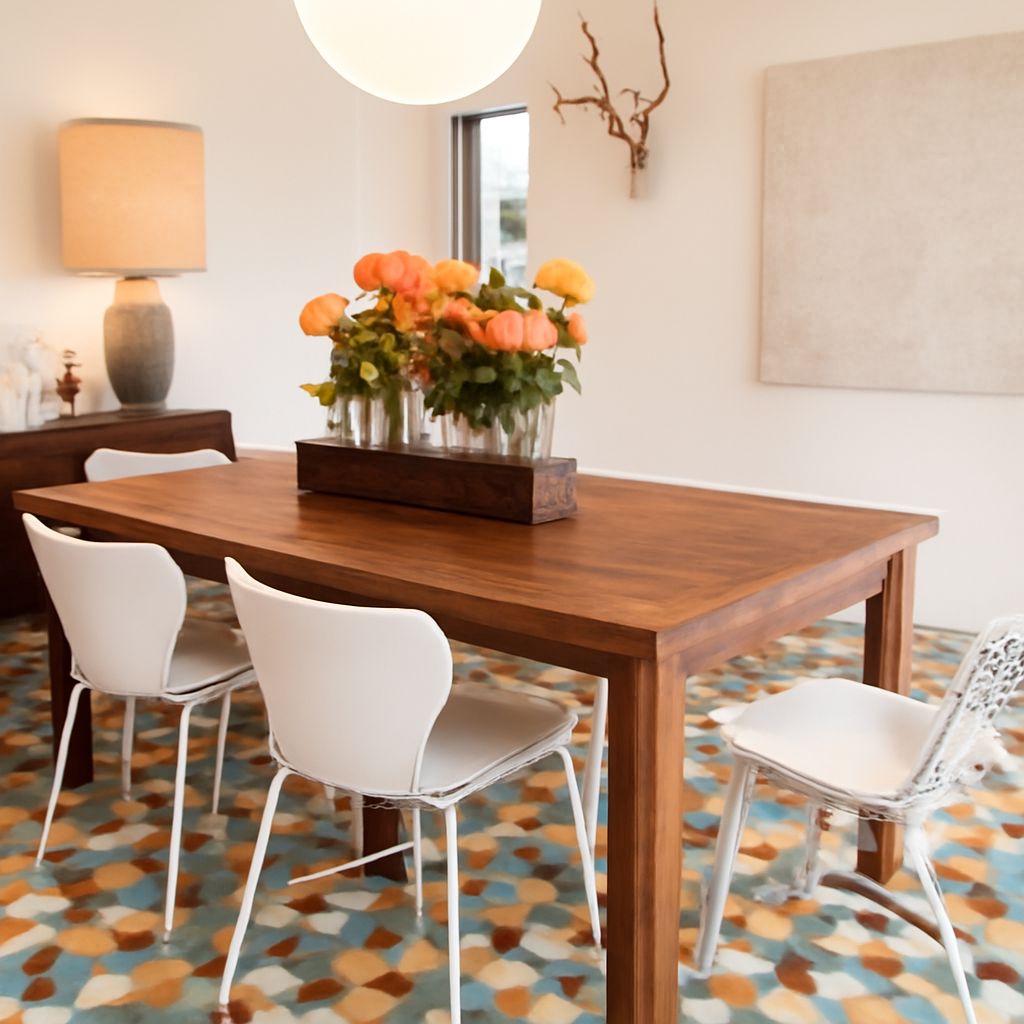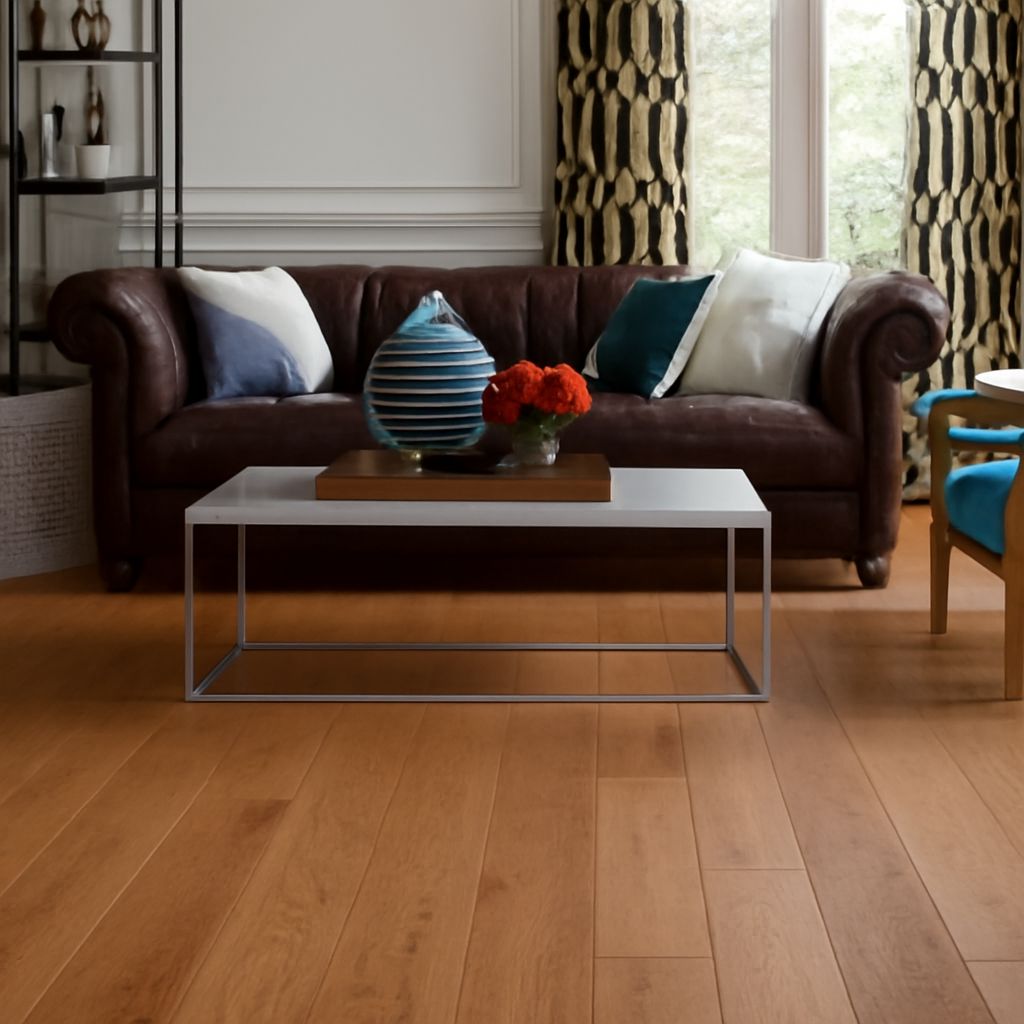
A flooring sample can look excellent under store lights and still be wrong for a busy kitchen or a damp basement. To choose between engineered hardwood and laminate, begin with the room’s moisture, traffic, and subfloor; then compare the costs of installation and future repairs. The same checks make a comparison of engineered wood and laminate more useful than a decision based on appearance alone.
Engineered Wood vs Laminate: What Is Underfoot?
Engineered hardwood has a real wood surface bonded to a layered core, often plywood or high-density fiberboard. Species, finish, and the thickness of that top layer vary by product. The visible grain is wood, so individual boards can differ in color and pattern.
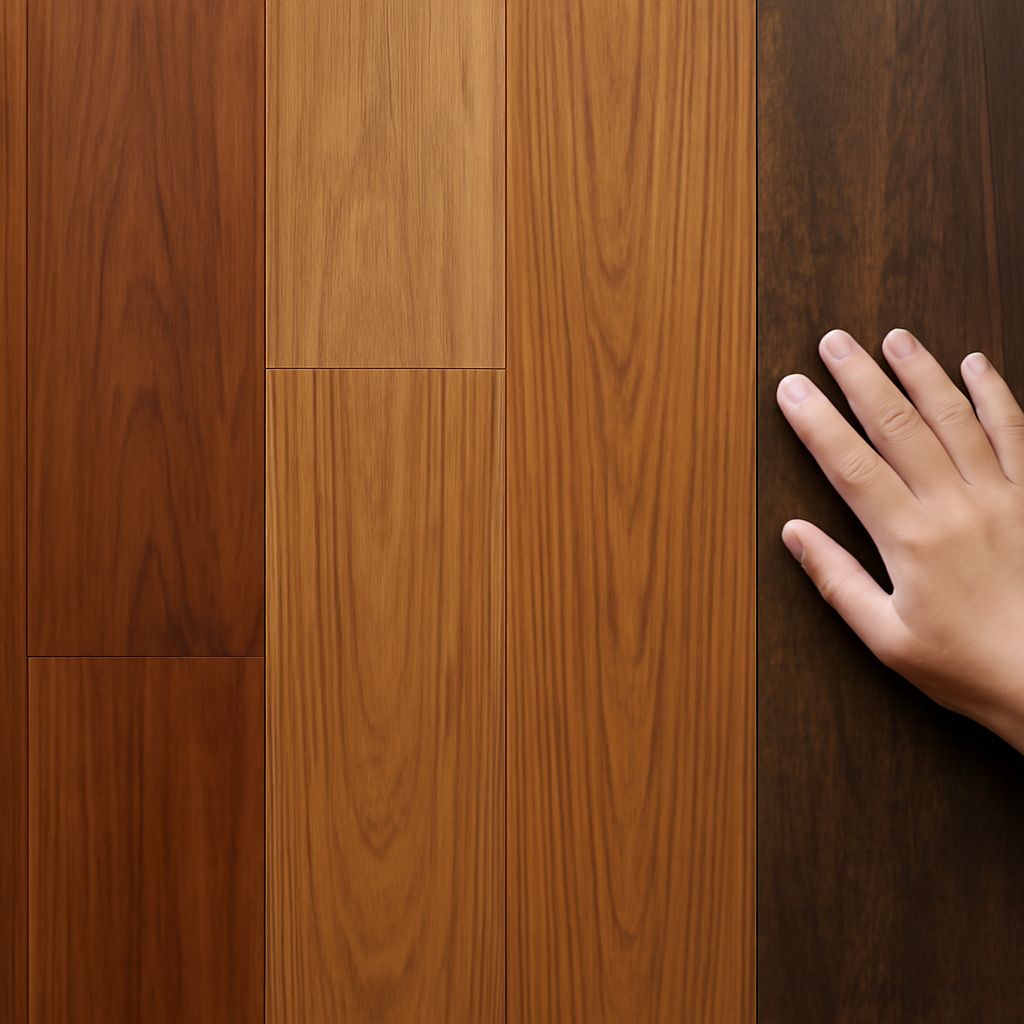
Laminate typically has a printed decorative layer protected by a wear layer over a fiberboard core. It can reproduce the look of many wood species, but its surface is not a hardwood veneer. Samples show both color and texture; place several together in the room and look at them in daylight and under the lighting you use at night.
The choice of engineered hardwood vs laminate starts with what you value in that surface: natural wood character or a printed design with a protective layer. Both engineered hardwood and laminate flooring come in a range of finishes and quality levels, so compare actual samples and specifications rather than relying on the category name.
Moisture: Start With the Room
In a dry bedroom or living room, either material can be suitable if the subfloor meets the manufacturer’s requirements. In a kitchen, spills and wet shoes make the product’s water-resistance instructions more important. Some laminates are designed to resist spills for a stated period; check the approved cleaning and spill-removal limits for the particular floor.
Engineered wood can expand, contract, swell, or suffer finish damage when exposed to unsuitable moisture. Laminate’s fiberboard core can also swell if water reaches it. Wipe spills promptly on laminate or engineered hardwood. A water-resistant surface does not cure a leak under the planks.
For a basement, investigate dampness and test the subfloor as the flooring instructions require. Choose only a product approved for below-grade installation, and use the specified moisture barrier. If water regularly enters the room, fix that problem before installing a floor. In a full bathroom, frequent standing water and wet edges make tile a more practical material to consider.
When weighing engineered wood against laminate in a kitchen, also inspect edges near the sink, dishwasher, and exterior door. Sealing requirements and permitted installation locations differ by product; those details can change which option is suitable.
Wear and Repair
Laminate’s protective surface can resist everyday abrasion, but a hard impact can chip it, and a deep scratch can expose the layer beneath. You cannot sand a printed laminate surface back to fresh wood. Minor marks may be concealed with a compatible repair kit; damaged planks may need replacement. Keep spare planks from the original batch, since color and product availability can change.
Engineered hardwood’s real wood surface can dent or scratch, depending on the species and finish. Some products can be professionally sanded and refinished, but others have a veneer too thin for that work. Ask the manufacturer or a flooring professional about the specific product and its remaining veneer before planning a refinish. Individual boards can also be replaced, although matching color and finish may take effort.
For homes with pets, compare the finish and maintenance requirements of specific samples of laminate and engineered hardwood. In the engineered hardwood vs laminate decision, the realistic cost of a damaged board matters as much as resistance to the first scratch.
Installation and Total Cost
Many laminate planks lock together as a floating floor. Some engineered products also float; others are glued or fastened down. The method depends on the product and subfloor. A confident homeowner may install a suitable click-lock floor, while glued or nailed work can call for tools and skills that make a professional installer worthwhile.
Before ordering, measure the room’s length and width in feet and multiply them for square footage. Add the manufacturer’s recommended allowance for cuts and waste. Include closets and account for irregular areas separately. Then obtain a quote covering removal and disposal of the old floor, subfloor leveling or repair, underlayment, moisture protection, transitions, trim, labor, and delivery.
Consider a 200-square-foot room as a budgeting example: at a hypothetical $3 per square foot, flooring alone costs $600 before waste and installation. A second product at $5 costs $1,000 for the same area. Neither figure includes preparing the subfloor, which may alter the final difference.
Engineered hardwood compared with laminate often carries a higher material price, but quotes for actual products and installation methods give a better comparison. When assessing laminate against engineered wood, include the expense of a potential board replacement or refinishing as well as the initial bill. Ask whether a contractor’s estimate includes moving furniture and trimming doors; an attractive floor price can leave a surprising balance due.
Make the Choice for the Space
For a low-moisture living room where natural grain matters, engineered hardwood rather than laminate may justify its added cost. In a high-traffic family room, laminate with a suitable wear rating can offer a lower-cost surface that’s easy to maintain. When comparing laminate versus engineered hardwood, check the flooring’s stated performance, warranty conditions, and repair options for the specific household.
A laminate vs engineered wood comparison also depends on the subfloor: a floating installation may suit one product, while another requires adhesive and additional preparation. In a laminate vs hardwood vs engineered comparison, remember that solid hardwood is wood throughout its thickness, whereas engineered boards have a wood surface over a core. Installation and moisture limitations differ among the three.
For engineered hardwood vs laminate, choose the product approved for the room’s moisture and subfloor first; then pay for the appearance, wear resistance, and repair options that match your priorities.