Two floors can look alike in a showroom and behave differently once they are installed. To choose a natural lino floor covering with confidence, check the product’s composition, the room’s moisture, and the installation and cleaning instructions. Start with the label: the familiar name is sometimes used loosely for vinyl, a different material.
Linoleum and Vinyl: What Is the Difference?
The natural material is made from ingredients that commonly include oxidized linseed oil, wood flour, pine rosin, limestone, pigments, and a jute backing. The mix is pressed into a resilient covering. Exact ingredients, backing, and surface treatment depend on the product. Vinyl flooring, by contrast, is made principally from synthetic materials, including PVC.
The phrase vinyl linoleum turns up in product descriptions, but it does not establish what the floor is made of. Ask for the manufacturer’s technical sheet and identify the material before comparing performance. Do not choose on appearance alone: the floor’s construction determines which adhesive, cleaning products, and moisture limits apply.
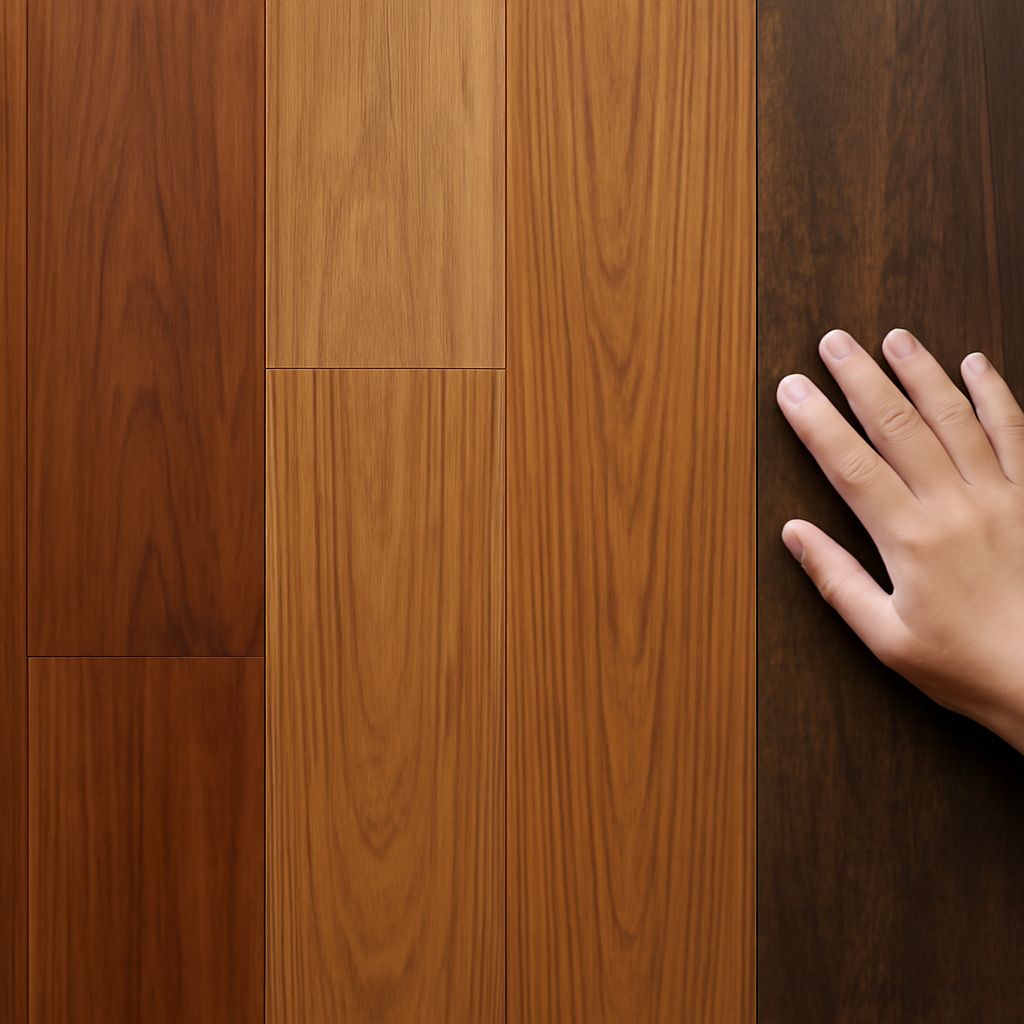
Natural sheet goods often have color and pattern through much of the material, while many vinyl products use a printed decorative layer under a protective surface. Both are available in different styles. Take samples home and examine them under the room’s actual lighting; compare their texture and finish as well as their color.
Choose the Room Before the Pattern
A kitchen, entry, or laundry room can suit this resilient surface if the chosen product is approved for that use and the subfloor stays dry. It has some give underfoot compared with ceramic tile, a welcome feature during a long afternoon at the sink. Use mats at entrances to reduce tracked-in grit and wipe up spills promptly.
Water resistance is not the same as immunity to standing water. Seams, edges, backing, and adhesive can be affected when water gets underneath. Check the manufacturer’s requirements around sinks, appliances, and wet areas. For a full bathroom with frequent puddles, consider a surface and installation system specifically approved for that exposure.
A below-grade room needs particular care. Investigate seepage, repair leaks, and test concrete moisture as required by the product and adhesive instructions. A floor covering cannot solve water entering through a wall or slab. If the room is persistently wet, correct the source before paying for a new finish.
The best linoleum flooring for a household is the product whose approved uses match the room and whose care requirements fit the people using it. A sample tells you how a finish looks; the installation sheet tells you where it belongs.
Sheets, Tiles, and Installation
Linoleum roll flooring offers broad sheets with relatively few seams. It can make an attractive continuous surface, but measuring, cutting, adhesive application, and seam work demand precision. A professional installer familiar with this material is a sensible choice for a large or irregular room. Ask where seams will fall and how the edges will be finished.
Some products are also sold as tiles or click-together pieces. Formats differ in backing and installation method, so do not assume instructions for one apply to another. A floating product may be accessible to a careful DIY installer; check whether it is approved for the room, the substrate, and any underlayment you intend to use.
A smooth, clean, sound, and sufficiently dry base matters whatever format you choose. Depressions and ridges can show through resilient sheet goods. Existing flooring, old adhesive, and damaged subflooring may require removal or preparation. Do not disturb suspect old flooring or adhesive until it has been assessed for asbestos; engage a qualified professional where needed.
Before installation, provide the temperature and acclimation conditions specified for the product. Confirm the adhesive, trowel, moisture test, and time before normal use. Forbo’s sheet installation guidance illustrates why the complete assembly matters: the material, substrate, and adhesive must work together.
Cleaning, Wear, and Repairs
Sweep or vacuum regularly to keep sand and grit from abrading the surface. For routine washing, use a damp mop and the cleaner recommended for the finish; avoid soaking the floor. Follow the maker’s instructions for rinsing, drying, and any maintenance treatment. Strong alkaline cleaners or abrasive pads can damage certain finishes.
Fit protective pads under furniture and lift heavy pieces rather than dragging them. Check wheels and chair casters for suitability. A small scratch in a linoleum floor may be less noticeable when color extends through the material, but a deep gouge may require a patch or replacement section. Save a piece from the installation for a possible repair, and ask the installer how a patch would be joined.
A natural resilient floor may change appearance over time with light and use. Check the care sheet before applying a polish or stripping a factory finish; more product is not always better care. For this kind of sheet floor, prompt spill cleanup and gentle routine cleaning do more than a harsh annual scrub.
Compare the Installed Price
When deciding where to buy linoleum, contact flooring dealers who carry the actual material and request a written quote. Bring room dimensions, photographs, and information about the existing subfloor. For lanolium flooring, request a technical sheet and confirm the product construction before placing an order.
Include material, waste, delivery, old-floor removal, substrate repair, adhesive or underlayment, installation, transitions, and trim. For example, a 150-square-foot room at a hypothetical $5 per square foot costs $750 for material alone, before waste and labor. Get an itemized estimate for the actual room and keep extra material for repairs.
Choose a natural floor covering when the room stays within the product’s moisture limits and you can follow its cleaning and installation requirements; those conditions will serve you longer than a favorite color alone.