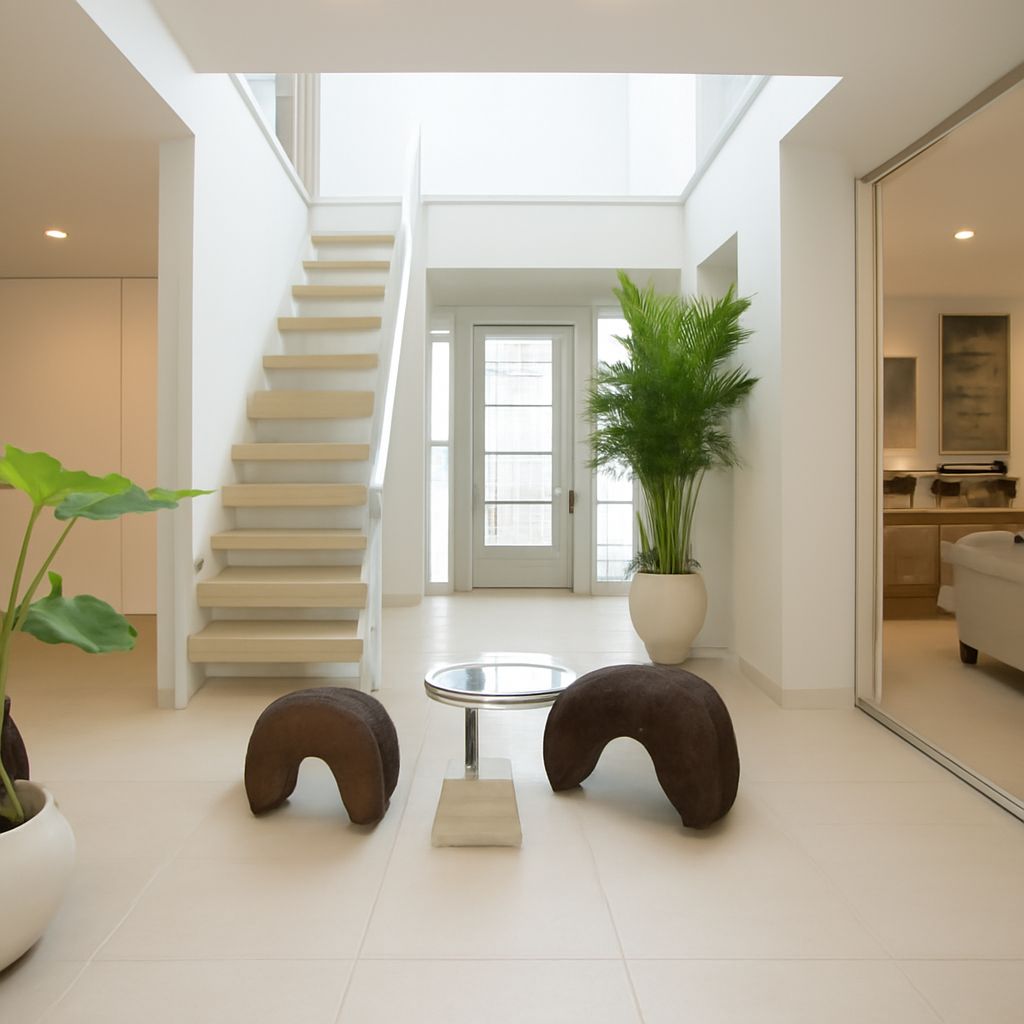
The right ceiling paint depends on the room’s moisture and the condition of the surface. A flat finish is a practical choice for a sound bedroom ceiling; a steamy bathroom calls for a coating rated for humid conditions and a working exhaust fan. The most suitable paint for a ceiling also depends on whether stains, repairs, or bare drywall need primer first.
Best Paint for Ceilings: Start With the Room
In a dry living room or bedroom, a flat interior ceiling paint reduces reflected light and helps make minor surface irregularities less conspicuous. Many ceiling formulas are designed for overhead application and reduced spatter. Check the label for the surface and coverage, rather than assuming every flat wall paint handles the same way.
In a bathroom or laundry room, choose an interior coating the manufacturer approves for humid areas. Some moisture-resistant products are available in matte as well as higher sheens. A washable satin finish may suit a ceiling that needs occasional cleaning, but it can make repairs and uneven texture more visible. The best ceiling paint for a damp room must be paired with ventilation; paint cannot repair a leak or remove persistent condensation.
Run the exhaust fan during and after showers, and make sure it vents outdoors. If the ceiling stays wet or spotting returns, address the moisture source before recoating. The right ceiling coating starts with a dry, sound surface.
White, Sheen, and Coverage
White reflects light and can make a room feel brighter, but whites vary. Some look warmer or cooler alongside the wall color and lighting. Test a sample overhead and view it in daylight and at night. The best white ceiling paint for a north-facing room may look different beside warm cream walls than beside cool gray ones.
Flat and matte finishes scatter light, helping soften the appearance of small flaws. Glossier finishes reflect more light and often tolerate cleaning better, depending on the product. For a smooth, low-traffic ceiling, a good flat ceiling paint is usually a straightforward choice. If selecting a white paint for a ceiling in a steamy room, look for the product’s humidity rating as well as its sheen.
A well-chosen paint for ceilings should also offer suitable coverage. Coverage is the area a manufacturer estimates one gallon will cover under stated conditions. Measure length times width in feet, then divide by the label’s square-foot coverage and multiply by the planned number of coats. For example, a 12-by-15-foot ceiling has 180 square feet; two coats cover 360 square feet in total. Texture, porosity, repairs, and color change can increase the amount needed, so allow for waste and consult the label.
A good white ceiling coating that covers well over an existing pale finish may need another coat over a dark color or uneven patches. Judge coverage once the paint has dried; wet paint can look different from its final finish.
Prepare Before Opening the Can
Move furniture or cover it and the floor with drop cloths. Remove dust and cobwebs, then clean grease or other contamination with a suitable cleaner. Rinse if its directions require it and let the surface dry. Scrape loose paint, repair cracks and dents, and smooth the repairs before coating. For a textured ceiling, use a light touch and follow the coating maker’s instructions to avoid damaging the texture.
Find and repair the cause of water stains first. If there is mold, fix the moisture problem and clean and dry the affected surface before painting. The EPA advises against painting over mold; damaged porous material may need replacement. In an older home, consider lead and asbestos risks before scraping, sanding, or disturbing a textured ceiling. Have suspect material assessed and use appropriate professional help.
Preparation determines how the finish will sit. Even the best ceiling paint cannot bond reliably to loose material or prevent a stain from returning through an unsuitable coating.
When Primer Pays for Itself
Prime new drywall and joint compound with a primer intended for those surfaces. Fresh repairs absorb paint differently from surrounding paint, so spot priming or priming the whole ceiling can help produce an even appearance. Follow the label’s drying time before applying the finish.
For an old water stain, choose a stain-blocking primer compatible with the substrate and finish coat after the leak is fixed and the area is dry. Smoke, grease, and other stains may need different products. A paint labeled paint-and-primer does not replace a dedicated stain blocker in every situation; check the label for the particular stain.
When comparing the right paints for ceilings, include the primer and the likely number of coats in the cost. A cheaper can is a poor bargain if it requires another trip up the ladder.
Apply an Even Coat
Use a stable ladder, eye protection, a brush for edges, and a roller on an extension pole. Select a roller cover suited to the texture and the paint label: smooth ceilings generally need a shorter nap than rough ones. Stir the paint, cut in a manageable section along the edge, and roll while that edge is still wet.
Work in overlapping sections and maintain a wet edge to reduce lap marks. Load the roller evenly rather than pressing a dry roller hard against the ceiling. Follow the specified drying and recoat times, then inspect in the room’s normal light before deciding whether coverage is complete. Ventilate the room as directed by the product label.
Read ceiling paint reviews for observations about spatter, coverage, and finish, but compare the surface and application conditions described. An evaluation of ceiling paints on new drywall may not predict performance over an old stain. The best paint for ceilings is the one specified for your surface and room, with the correct primer beneath it.
Choose a flat finish for a sound, dry ceiling, or a humidity-rated coating for a damp room; repair moisture damage and prime the surface as its condition requires.