When embarking on exterior projects, especially those exposed to moisture, selecting the right materials becomes crucial. Among these, marine grade plywood stands out for its durability and ability to withstand water. Whether you’re working on a boat, dock, or a similarly demanding application, this specialized type of wood offers the best choice for ensuring longevity and resistance to elements. Understanding the nuances of marine ply can guide you in making informed decisions for your construction needs.
Introduction to marine grade plywood
Marine grade plywood is specifically designed to endure moist environments. It is constructed with waterproof glue and high-quality veneers, making it ideal for applications where exposure to water is a concern. The term “marine grade” signifies its capability to perform under conditions that would challenge other types of wood.
What makes marine grade plywood special
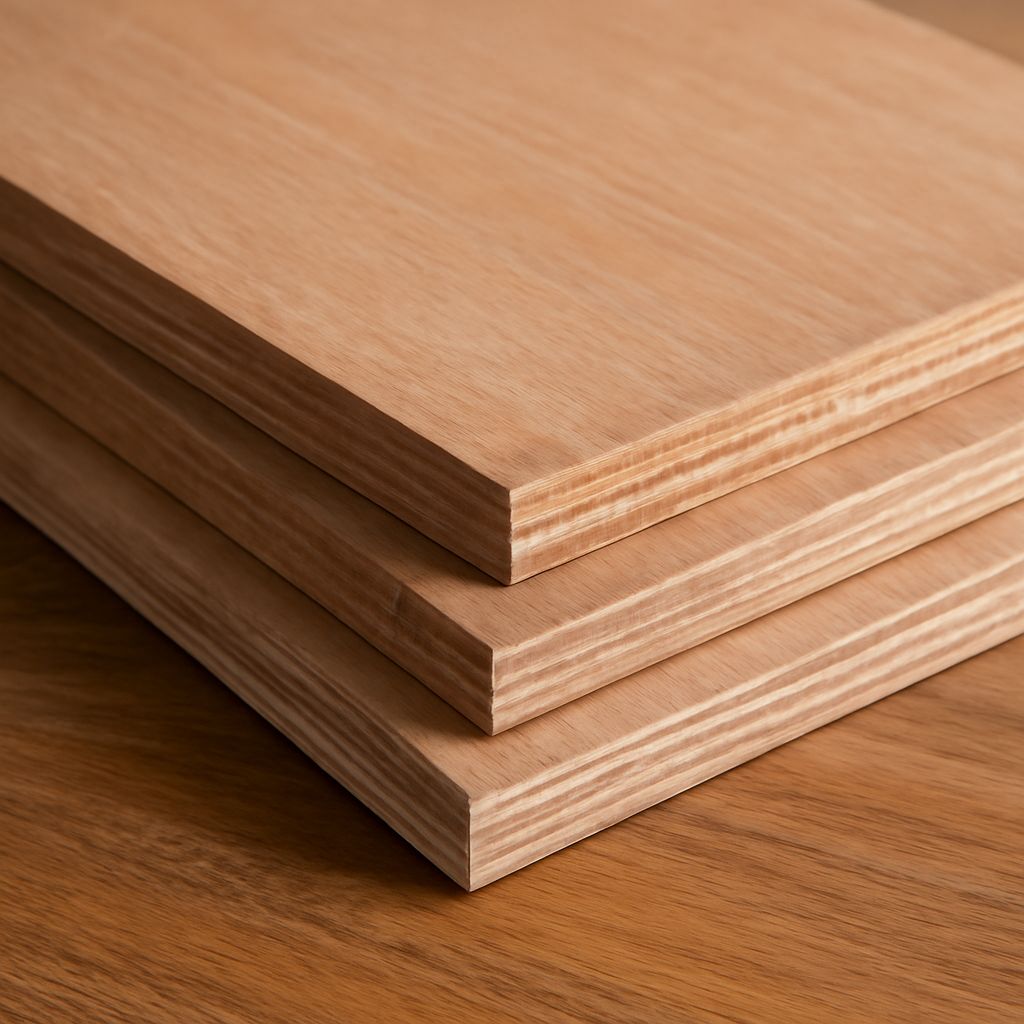
One of the defining characteristics of marine grade plywood is its robust construction. The layers are bonded with waterproof adhesive, ensuring that the board can stand up to water exposure without delaminating. Moreover, the veneers used are free of knots and voids, contributing to its superior strength and uniformity.
Another standout feature is its resistance to fungal attacks. This resilience comes from the wood’s ability to limit moisture absorption, which is crucial in preventing decay. The combination of these attributes makes marine grade wood a preferred option for challenging environments.
Applications of marine grade wood
Marine grade wood finds its application in a variety of settings. One of the most common uses is in boat building, where its water resistance and strength are essential. It’s also frequently used in constructing docks, where constant water exposure requires materials that won’t warp or deteriorate.
Beyond marine environments, this plywood is also beneficial for outdoor furniture and structures like gazebos and pergolas. Its ability to endure harsh weather makes it suitable for any project where longevity is a priority.
Comparing marine ply to other plywoods
When comparing marine ply to other types of plywood, the key difference lies in its construction and application suitability. While standard plywoods may suffice for indoor use, they lack the durability and water resistance of marine ply. The latter’s construction involves higher-grade materials and adhesives, setting it apart from interior-grade counterparts.
In contrast, exterior plywoods may offer some water resistance but still do not match the resilience of marine grade options. This distinction is vital when planning projects exposed to significant moisture or water contact.
How to choose the right marine grade plywood
Selecting the proper marine grade plywood involves evaluating your specific project needs. Consider the environment where the plywood will be used and the level of water exposure it will face. If in doubt about the appropriate type for complex requirements, consulting a licensed stylist or wood expert can provide valuable insights.
Additionally, inspect the plywood for any imperfections. Quality marine ply should have smooth, void-free surfaces to ensure optimal performance. Always verify that the product adheres to industry standards for marine applications.
Safety recap: When handling tools for cutting or installing marine plywood, ensure you follow appropriate safety measures. Wear protective gear and follow manufacturer instructions to maintain a safe and effective working environment.