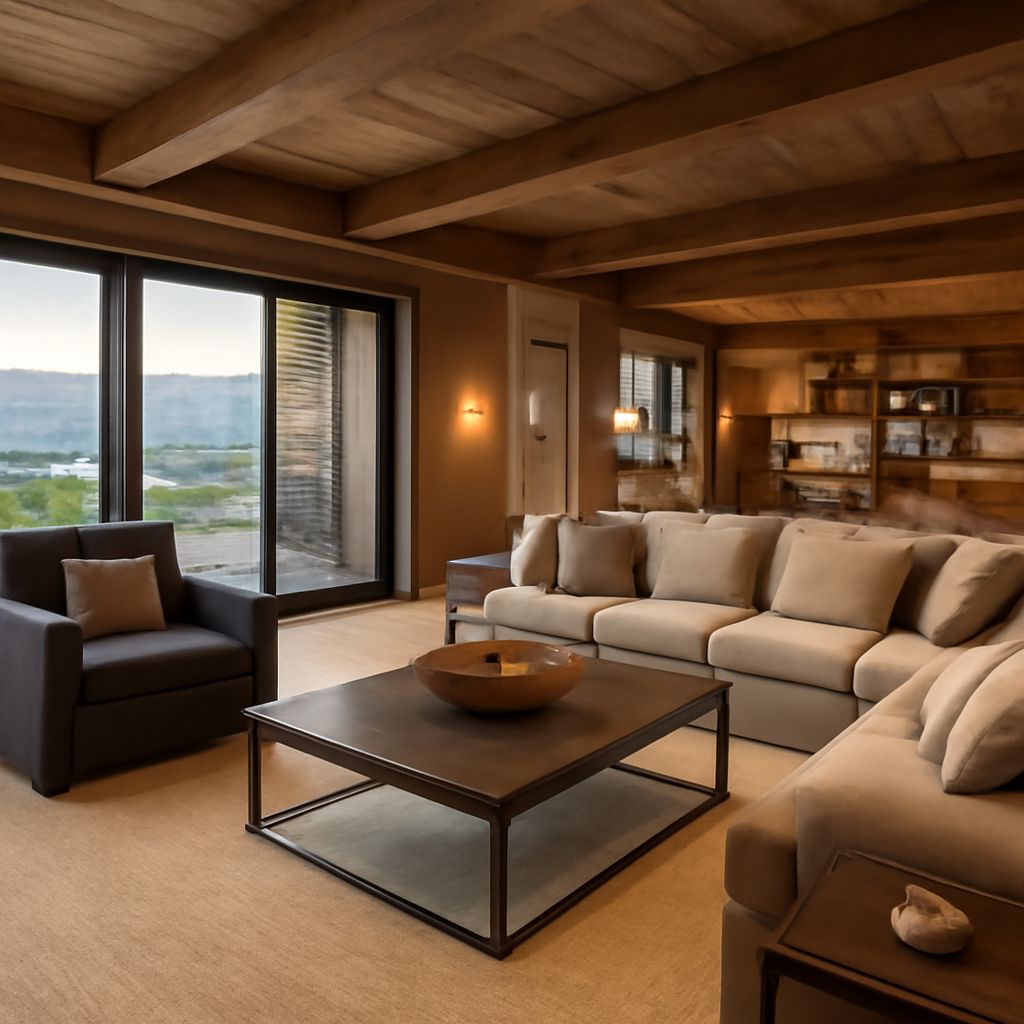
If you’re seeking to elevate your home’s style, wood ceiling beams—especially box beams and barn beams—offer some of the most transformative trim and moulding options. Whether your taste leans rustic, farmhouse, or modern, exposed beams can add architectural depth and charm to any room. In this comprehensive guide, you’ll discover the distinct features of wood ceiling beams, explore the construction of box beams, and learn how to incorporate authentic barn beams for timeless appeal. You’ll also find practical design tips and advice for choosing the ideal solution for your space, ensuring lasting beauty and value.
Box beams are one of the most versatile approaches to wood ceiling beams, providing the look of solid timber with greater flexibility and ease of installation. When crafted to resemble barn beams, they bring warmth and character reminiscent of historic interiors. By the end of this article, you’ll be equipped to distinguish between box beams and barn beams, visualize striking design ideas, and confidently select the right style for your next home project.
Understanding wood ceiling beams and their appeal
Wood ceiling beams have captured the imagination of homeowners and designers alike for centuries. Their enduring popularity stems from their ability to instantly deliver architectural detail, texture, and warmth to any interior. By exposing the structural elements or simulating the look of timber, these beams create a sense of history while enhancing the perceived height and spaciousness of a room.
Opting for timber ceiling accents brings visual interest that’s both practical and decorative. Exposed beams, whether structural or faux, can help break up large ceiling expanses, draw the eye upward, and anchor open-concept spaces. Using wooden beams also allows you to bridge traditional and contemporary aesthetics, making them a fitting choice across a variety of design styles, from ultra-modern lofts to cozy cottages.
Perhaps most importantly, wood ceiling beams can be tailored to showcase your unique personality. By selecting different finishes, stains, and dimensions, you can create anything from subtle overhead features to bold, statement-making focal points. These beams work just as well in living rooms and kitchens as they do in bedrooms or entryways.
With the growing interest in natural materials and artisanal craftsmanship, the trend toward ceiling beams, especially in wood, continues to rise. Whether you’re restoring an older home or adding character to new construction, integrating beamwork can be the finishing touch that ties your entire space together.
Box beams: Construction, installation, and advantages
Box beams offer a clever solution for those who want the look of heavy wood ceiling beams without the weight, structural demands, or cost of real solid timbers. These beams are typically constructed by assembling three or four planks of wood into a hollow, rectangular or square shape. This design makes box beams lighter and easier to handle, which significantly simplifies DIY installation compared to solid beams.
Manufacturing box beams allows for tailoring their dimensions, finishes, and profiles to perfectly suit your ceiling height and room proportions. These faux beams can be crafted from reclaimed wood for a rustic appearance, stained to coordinate with flooring, or painted for a more contemporary look. The ability to mimic a variety of wood species or aged barn beam aesthetics is one of their strongest draws for homeowners seeking flexibility.
When installing box beams, you’ll find that their hollow structure provides several practical advantages. You can easily run wiring or lighting components through them, creating opportunities for integrated ambient lighting or concealed speakers. Because box beams are less heavy than solid timber, they require less substantial anchoring, which also makes them a smart choice for retrofits in existing homes with standard framing.
Not only do box beams offer design flexibility and practicality, but they can also be more budget-friendly than authentic barn beams. For larger projects or if you’re aiming for a uniform appearance throughout your home, using fabricated beams can keep costs and maintenance manageable without sacrificing aesthetic value.
Barn beams: Timeless beauty and sourcing tips
Barn beams—often reclaimed from old barns and historical buildings—bring a sense of authenticity and legacy to any interior. Their naturally aged surfaces, marked with original saw cuts, nail holes, and patina, infuse spaces with unmatched character. Choosing barn beams means embracing the imperfections and stories embedded in each piece of timber.
Incorporating true barn beams as ceiling accents requires more planning than using fabricated alternatives. Sourcing reclaimed beams can involve tracking down specialized salvage yards, architectural reclamation firms, or local demolition sites. When seeking these materials, always inspect for structural integrity, pest damage, and suitability for your project. Some beams may need to be treated, kiln-dried, or even milled for safe indoor use.
For those prioritizing sustainability, reusing barn beams diverts beautiful old-growth wood from waste streams and reduces the demand for new lumber. However, installing real barn wood ceiling beams is often more labor intensive, may require reinforcing the ceiling, and sometimes calls for professional carpentry expertise.
If your project involves intricate ceiling layouts or complex load-bearing requirements, working with a contractor or structural engineer is highly recommended. Likewise, a skilled trim carpenter can ensure installation is both beautiful and secure, preserving the unique charm that only genuine reclaimed beams provide.
Design ideas using wood ceiling beams, box beams, and barn beams
Bringing wood beams into your ceilings opens a world of creative design opportunities. Arranging box beams in a coffered grid can lend formality and visual symmetry to living rooms, dining areas, or libraries. By combining beams with recessed lighting, you can spotlight artwork or create cozy ambiance beneath the timberwork.
For a more relaxed or rustic vibe, running barn beams parallel to each other in a classic pattern works well, especially in spaces with vaulted ceilings or open floor plans. Kitchen islands, great rooms, and even covered patios benefit from exposed beamwork, which can be left natural, limed, or whitewashed for varied effects.
Don’t overlook the dramatic impact of mixing wood textures—pairing smooth box beams with rough-hewn barn beams can highlight the craftsmanship and create an eclectic, layered look. In modern spaces, using beams with sharp, clean lines painted in dark or contrasting colors will emphasize architectural minimalism while still showcasing the warmth of wood.
Whether you’re building new or remodeling, experiment with beam spacing, orientation, and finish to best complement your home’s style. From subtle ceiling accents to bold centerpieces, the options are nearly endless, limited only by your imagination and room proportions.
Choosing the right wood ceiling beams for your space
Selecting between box beams and barn beams starts with assessing your ceiling structure, design goals, and budget. For homeowners prioritizing ease of installation, customization, and efficient use of materials, box beams stand out as a practical solution. Their lightweight nature and adaptability make them ideal for most residential ceilings, including retrofits where structural reinforcement isn’t feasible.
If your heart is set on genuine character and sustainability, sourcing barn beams may be worth the extra effort. Their weathered patina and historical significance can’t be perfectly replicated, making them a prized feature in both contemporary and traditional homes. Just be prepared for a more involved installation and potentially higher material costs.
When planning your project, consider ceiling height, the weight of your chosen beams, and existing architectural features. Always account for lighting, HVAC, and any potential obstructions. If your ceiling layout is complex, or your beams are exceptionally large and heavy, consulting a licensed contractor or trim specialist is essential to ensure safety and code compliance.
Finally, coordinate the color, finish, and scale of your beams with other millwork, flooring, and décor elements to create a cohesive and inviting space. Sampling stains and finishes beforehand can help you achieve the perfect match.
Next steps: Now that you understand the possibilities of wood ceiling beams, box beams, and barn beams, take time to evaluate your space and gather inspiration. Consult with a trim carpenter or licensed contractor for complex installs, and consider mock-ups or samples before committing to a design. With careful planning and attention to detail, your new ceiling beams will add lasting beauty and value to your home.