Taking care of your roof is one of the smartest investments you can make in your home’s future. Spray on roof coating and shingle sealer are two modern solutions designed to help homeowners like you beat the harsh effects of weather, sun, and time. If you’re looking to protect your shingles, prevent water infiltration, and enhance your roof’s resilience, understanding the differences and benefits of these two products is essential.
This article will break down how spray on roof coating can deliver effective weatherproofing and why shingle sealer is critical for preserving your roof’s integrity. You’ll learn how each approach works, how to apply them, and what to consider when choosing the right solution for your roofing needs.
Understanding spray on roof coating and its benefits
Spray on roof coating is an innovative approach to roof protection, offering a seamless barrier that repels water and blocks harmful UV rays. Unlike the traditional method of applying separate roof membranes or shingles, using a sprayable coating provides uniform coverage without the gaps that occur with manual application. The process involves using specialized equipment to evenly distribute a liquid material, which then cures and forms a durable layer atop your existing shingles or roofing substrate.
Applying a sprayed-on membrane helps reduce leaks by sealing minor cracks and imperfections. This type of coating often contains reflective pigments that deflect sunlight, thereby lowering your attic’s temperature and reducing energy costs. Many formulations are also elastomeric, meaning they expand and contract with changing temperatures—making them perfect for climates prone to cycles of heat, cold, or heavy rain.
By opting for a sprayable roof treatment, you’re not only reinforcing your shingles but also adding an extra shield against weathering and environmental damage. The ease of application, especially on irregular surfaces or older roofs, makes this method appealing for both DIYers and professional contractors. Plus, because the product adheres directly to existing materials, you can rejuvenate an aging roof without a full replacement.
Some homeowners choose this technique to extend the life of an entire roofing system, as spray-on products can be applied to asphalt, metal, and even tile roofs. In summary, spray on roof coating delivers robust, long-lasting defense with minimal disruption to your daily life.
How shingle sealer protects and extends roof life
Shingle sealer acts as a protective finish, locking out moisture and stopping the gradual erosion that can shorten a roof’s lifespan. When you treat your roofing with a quality sealant, you’re actively repelling water, which reduces the risk of leaks, mold growth, and structural rot. The sealer fills in tiny gaps and reinforces the granules embedded in asphalt shingles, helping them stay in place during high winds or hail.
Maintaining your shingles with a waterproofing solution ensures the underlying structure remains dry and sound. Not only does sealing help prevent staining and algae buildup, but it also lessens the effects of sun exposure. Sunlight can cause shingles to become brittle and fade over time, but a strong sealer reflects UV rays and slows this process.
By choosing to apply a shingle-protecting topcoat, you’re investing in roof longevity and reducing the need for premature replacements. The cost of a high-quality sealer is much lower than frequent repairs or a full reroof, making it a practical step toward safeguarding your investment. Many products are formulated for easy roller or brush use, making this a prime candidate for a do-it-yourself project on smaller roofs or targeted areas.
To ensure the best results, select a sealing product that matches your roof’s material and local climate, and always follow manufacturer guidelines. If your roof shows signs of advanced deterioration or previous coatings are failing, consult a licensed roofing professional before proceeding.
Application process: What to expect with spray on roof coating
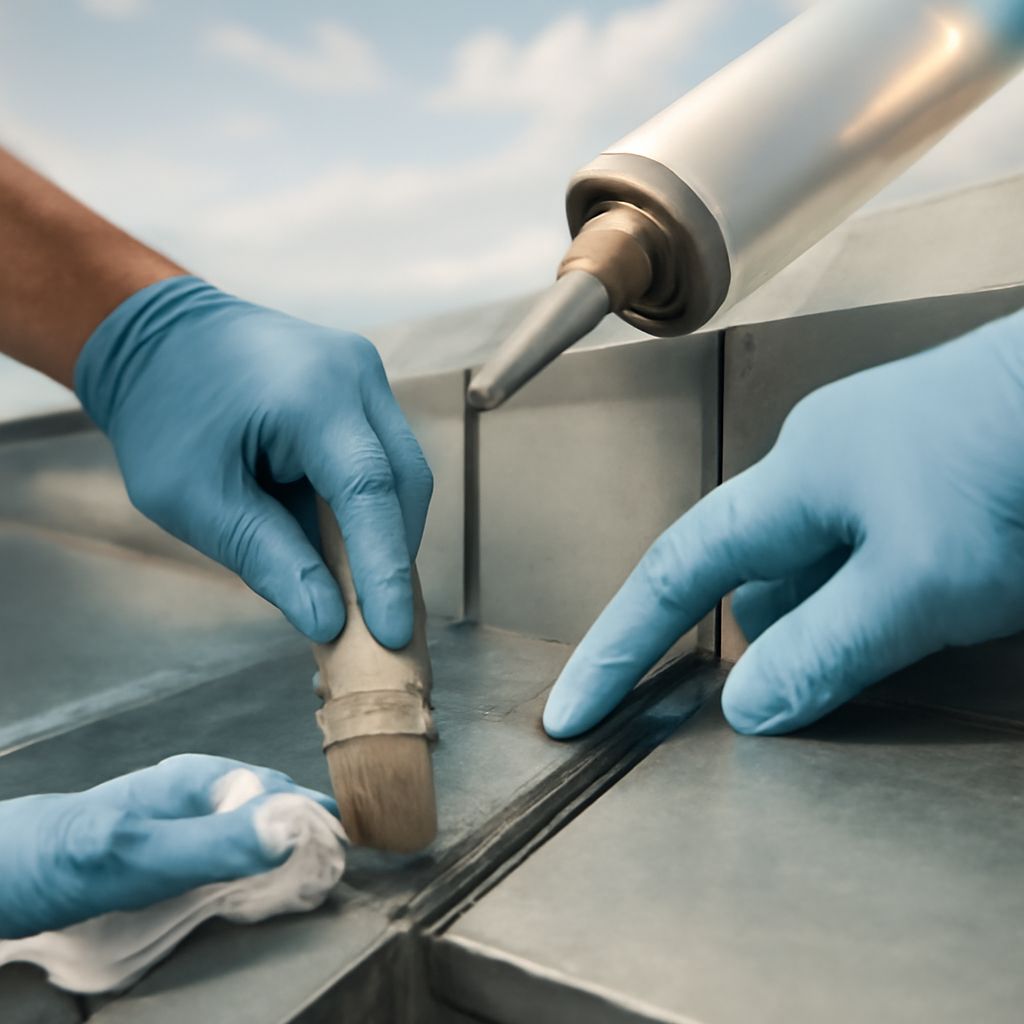
The process of applying spray on roof coating starts with a thorough inspection of your current roof. You’ll need to repair any damaged shingles or flashing and clean away leaves, dirt, and debris. After prepping the surface, a primer may be needed to help the coating bond properly—especially if you’re working with older or porous materials.
Using specialized spray equipment, the coating is then applied in an even, controlled layer. You may need to make several passes to reach the manufacturer’s recommended thickness. This method ensures that all valleys, ridges, and hard-to-reach spots receive adequate coverage. The material typically dries within hours and fully cures in a few days, depending on weather conditions and product type.
DIYers can opt for small sprayers or roll-on options for patch repairs or smaller sections, but large-scale jobs are best left to professionals with the right safety gear and experience. Improper application can result in thin spots or poor adhesion, leading to premature failure. Always check weather forecasts and avoid coating during rainy or extremely hot days.
Once the sprayable barrier has hardened, your roof gains a new level of resistance to water, sun, and wind. Regular inspections and touch-ups will maximize its lifespan, ensuring ongoing protection for years to come.
Comparing spray on coatings and traditional shingle sealers
While both spray on roof coatings and shingle sealers provide moisture and UV defense, their applications and long-term benefits differ. Spray-applied products create a continuous layer over the whole roof, making them ideal for addressing widespread wear or minor leak issues. They are especially useful on aging roofs with multiple vulnerabilities, as the liquid fills and seals even microscopic cracks.
Meanwhile, using a shingle sealer offers targeted reinforcement. Sealers are often clear or lightly tinted and preserve the original look of your shingles. They are best for newer roofs or as a preventative measure on well-maintained surfaces. Routine sealing can extend your roof’s performance without significantly altering its appearance or weight.
Another key distinction is in the level of professional expertise required. While many sealers are DIY-friendly, sprayable coatings call for more advanced skills and equipment. The investment for spray-on methods is higher, but so is the degree of protection.
When weighing the two, consider your roof’s age, current condition, and your willingness to tackle ongoing upkeep. Both options have their merits, and sometimes a combination—using a shingle sealer for routine care and a spray coating for major upgrades—delivers the best results.
Choosing the right products for your roof’s needs
Selecting the best solution for your home starts with assessing your specific roofing challenges. For roofs facing constant sun, a reflective spray coating can dramatically reduce heat gain and extend shingle life. If water penetration is your main concern, a waterproofing sealer may be all you need to keep leaks at bay.
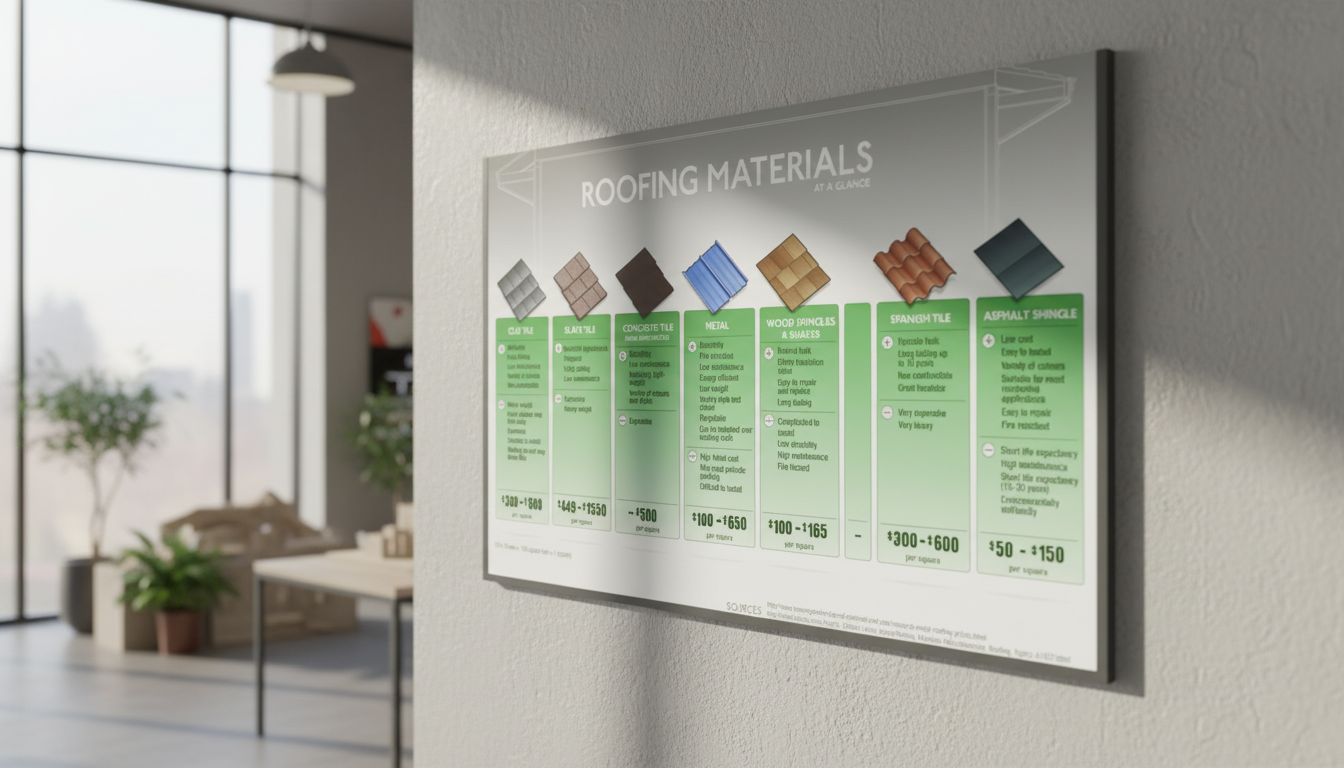
Always match the product to your shingle material—some coatings are formulated exclusively for asphalt, while others are compatible with tile, slate, or metal. Be sure to check local climate recommendations, as some products cure better in dry or temperate environments. Look for reputable brands with proven results and solid warranties.
DIYers should only take on projects within their comfort level. If your roof is steep, heavily damaged, or you’re unsure about the right approach, call in a licensed roofing contractor. Complex situations, like severe leaks or structural concerns, require professional assessment to avoid costly mistakes.
Ultimately, consistent maintenance using the right coating or sealer will help you get the most from your investment, ensuring your roof remains durable and attractive throughout its lifespan.
Safety recap: Prioritize safety when working on ladders or with chemical products. If your project involves large-scale spray application or roof repairs, rely on experienced pros to minimize risks and guarantee lasting protection.