Transforming your home’s exterior can be an exciting project, and installing rolled roofing offers a cost-effective method to achieve a fresh look. In this comprehensive guide, you’ll learn how to apply rolled roofing easily, ensuring a seamless process from preparation to maintenance. We’ll cover everything from understanding what rolled roofing is to step-by-step installation instructions, helping you install roll roofing with efficiency and effectiveness. Whether you’re a first-time DIYer or experienced in roof installations, these tips will guide you through each phase of the project.
Understanding rolled roofing
What is rolled roofing?
Rolled roofing is a mineral-surfaced roofing product available in long sheets. It’s typically made from the same materials as asphalt shingles but comes in a continuous roll. Often used for low-slope residential and commercial roofs, it’s an affordable alternative to traditional roofing methods. If you’re considering rolled roofing, knowing its composition—usually a mix of asphalt and fiberglass—can help you make informed decisions about its use.
Advantages of rolled roofing
Choosing rolled roofing brings multiple benefits. First, it’s relatively inexpensive compared to other roofing materials, making it an attractive option for budget-conscious homeowners. The installation process is straightforward and less time-consuming, which can be an advantage if you’re looking to complete your project quickly. Additionally, rolled roofing is lightweight, ensuring less stress on your roof’s structural integrity.
Preparing for installing roll roofing
Gathering necessary tools and materials
Before you begin installing roll roofing, ensure you have all necessary tools and materials. You’ll need a utility knife for cutting, roofing nails, a hammer, roofing cement, and a measuring tape. Having these items on hand will streamline the installation process. Additionally, consider purchasing a roll roofing adhesive to enhance the bond between the roofing material and the surface.
Safety precautions to consider Safety should be a priority during any roofing project. Make sure to use a sturdy ladder and secure it properly before climbing. Wearing non-slip shoes and a hard hat can prevent accidents. It’s also wise to work with a partner who can assist with tasks and provide immediate help in case of emergencies. Remember, if you’re unsure about any aspect of the installation, consulting a licensed professional is always a prudent choice.
Step-by-step guide to installing rolled roofing
How to apply rolled roofing successfully
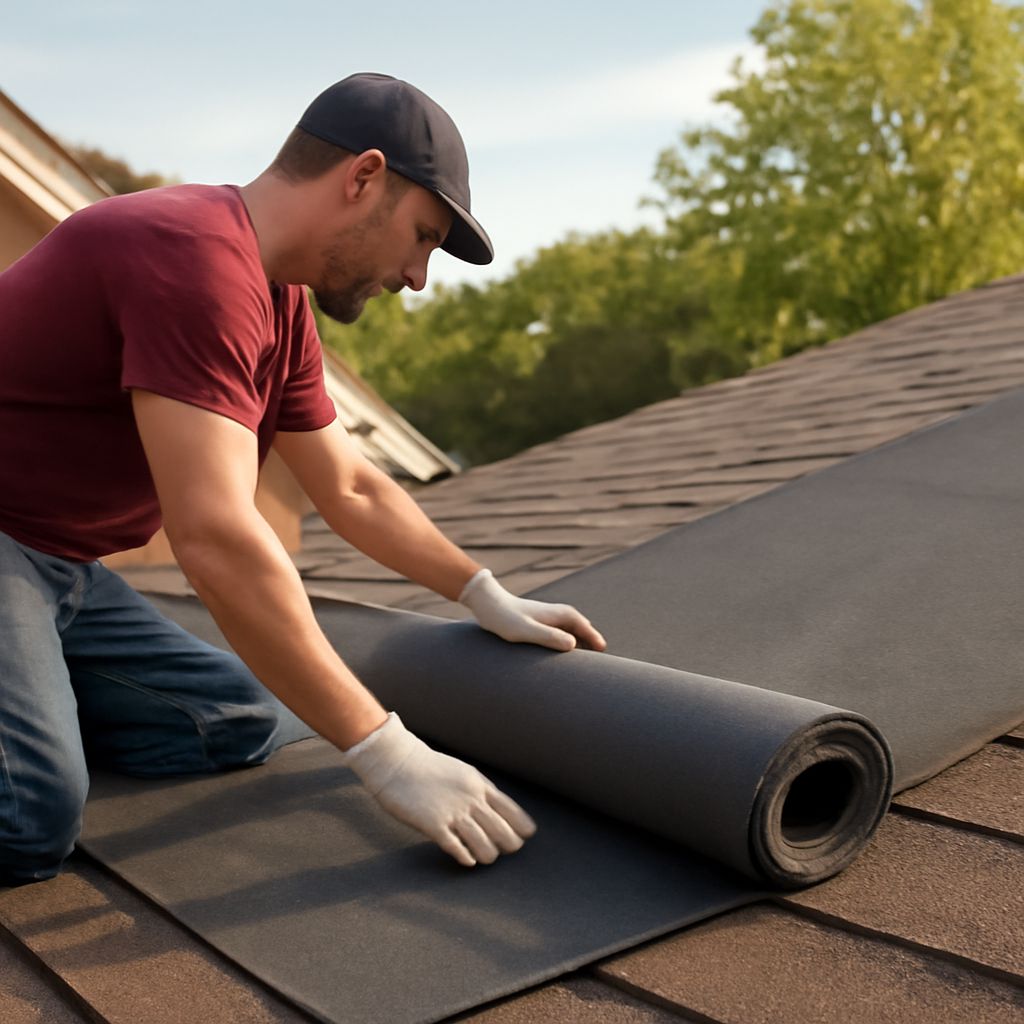
Begin by measuring the roof area to determine how much rolled roofing you’ll need. Cut the roll to fit, ensuring a bit of overhang for adjustments. Start at the bottom edge of the roof, aligning the material properly. Apply roofing cement along the edges to secure the first piece. As you work your way up, overlap each new piece by several inches to prevent water leakage. Use roofing nails to fasten each section, spacing them evenly for a secure fit.
Common mistakes to avoid during installation
Avoid common pitfalls during installation, such as failing to overlap the roofing sheets correctly, which can lead to water damage. Ensure all bubbles and creases are smoothed out to avoid weak spots. It’s also crucial not to rush through nailing, as improperly secured sections can become loose over time. If you need assistance or encounter challenges, don’t hesitate to reach out to a licensed roofer for guidance.
Maintenance tips after installation
Regular inspections
After completing the installation, regular inspections help maintain the integrity of your rolled roofing. Check for visible signs of wear and tear, especially after extreme weather conditions. Keeping an eye on your roof’s condition can prevent minor issues from escalating into significant problems.
Repairing minor issues
Addressing minor issues promptly can extend the lifespan of your rolled roofing. If you notice small tears or cracks, apply roofing cement to seal them immediately. For more substantial damage, replacing the affected section might be necessary. Remember, if you’re uncertain about the extent of the damage or how to fix it, consulting with a professional can save time and ensure safety.
Next steps: With your rolled roofing successfully installed, regular upkeep is key to its durability. Make it a habit to inspect your roof semi-annually and after severe weather. If you spot any issues that require attention beyond basic repairs, consider hiring a licensed roofer to address complex tasks. By maintaining your roof, you’ll enjoy a sturdy and reliable exterior for years to come.