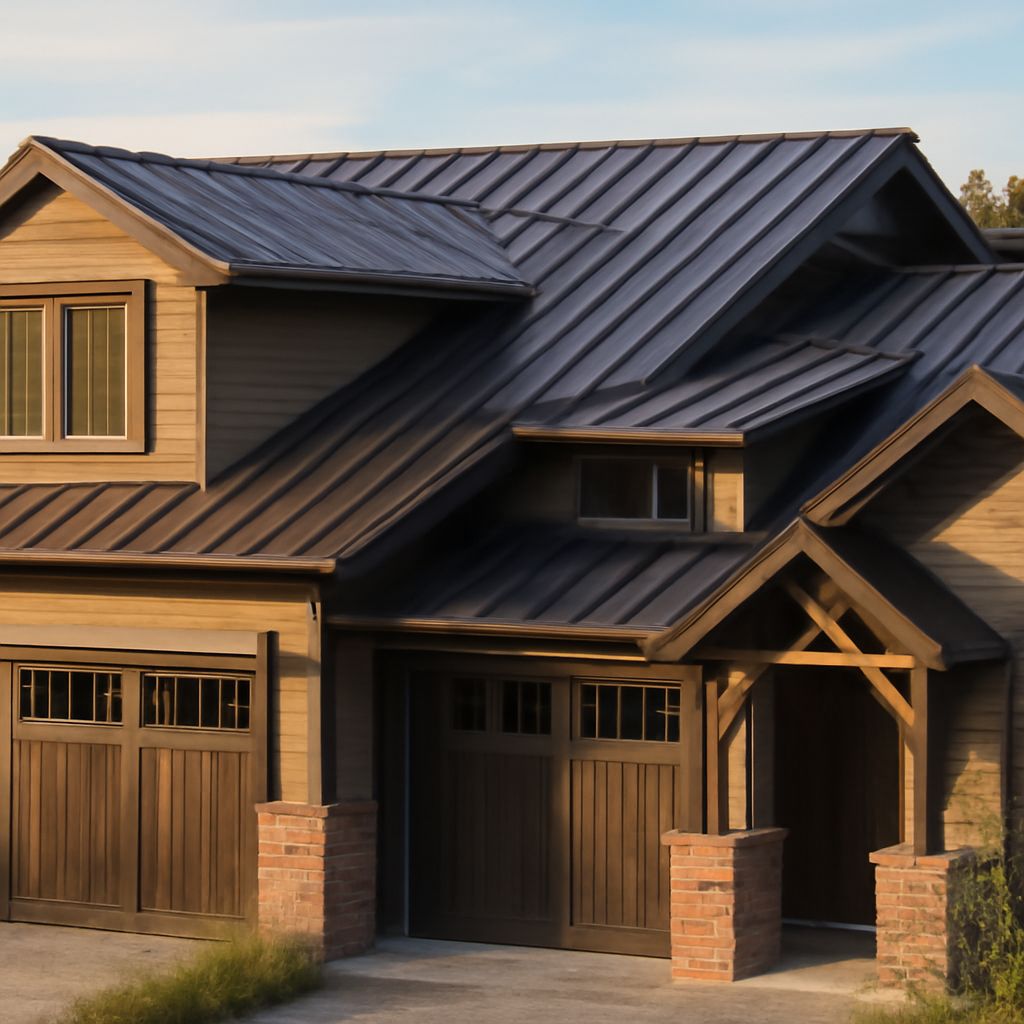
If you want your home to look like it belongs in the mountains, log cabin siding is one of the most effective ways to get there. Whether you’re working on a new build or refreshing an older exterior, the right cabin siding can completely change how your home feels from the outside. This guide covers the main log home siding types, breaks down what real log wood siding costs and requires, and explains when log look siding is the smarter call.
You’ll find options at every price point, from full-dimension timber to lightweight engineered panels that nail up fast. Keep reading to match the right product to your climate, budget, and skill level.
Types of Log Cabin Siding Materials
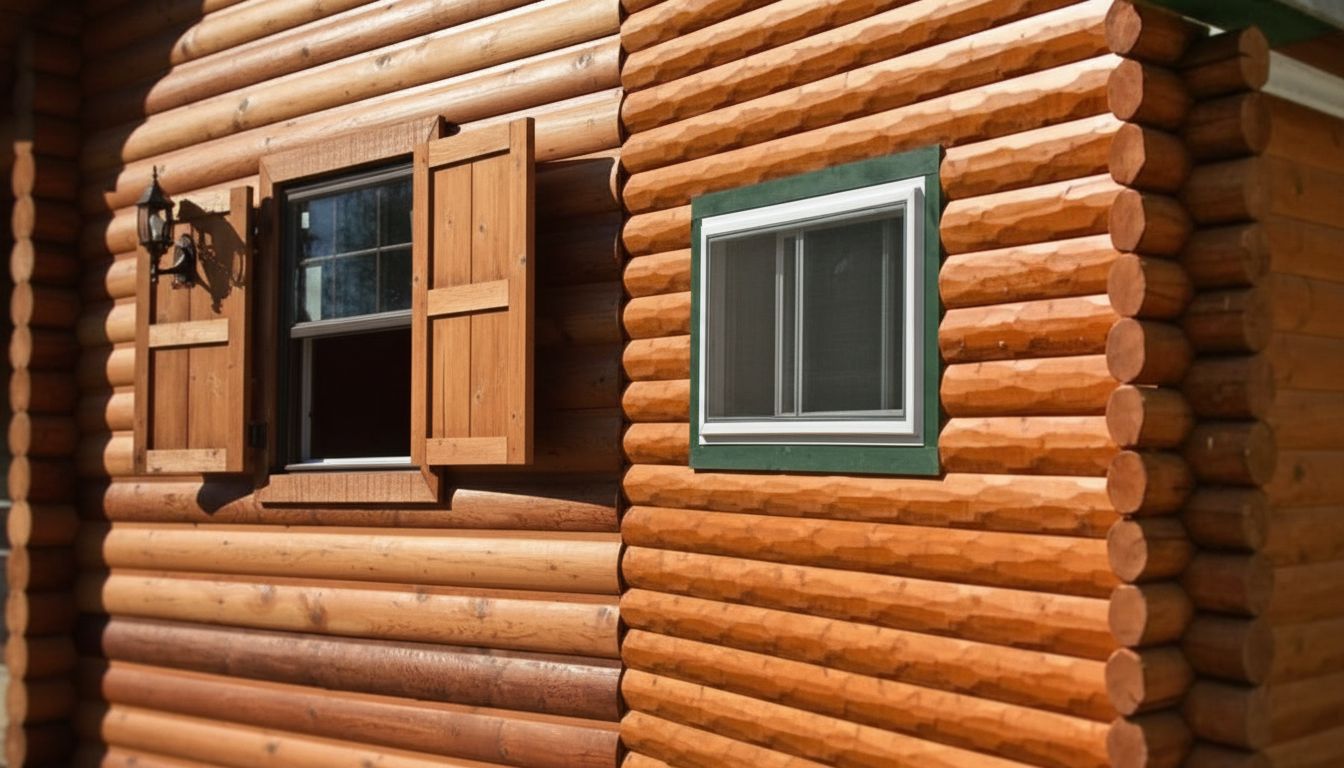
Solid Wood vs. Engineered Log Wood Siding Solid log wood siding comes from milled timber — typically pine, cedar, or spruce — cut into half-round or D-shaped profiles. It gives you authentic grain texture and the real weight of wood, but it also demands regular sealing, staining, and occasional re-chinking. If you live in a wet or freeze-thaw climate, plan on re-sealing every two to three years.
Engineered options — fiber cement, LP SmartSide, or vinyl logs — mimic the grooved look of traditional wood without the same maintenance load. They hold paint longer, resist insects, and cost less per square foot installed. For homeowners who want the aesthetic without weekend maintenance chores, engineered products are worth a hard look.
Choosing the Right Log Home Siding Profile
Profile refers to the shape of the siding piece as viewed from the end. Common profiles for log home siding include:
- Half-round: The classic cabin look, wide curve on the face, flat back against the wall.
- D-log: A flatter face than half-round, easier to stack and seal tight at corners.
- Swedish cope: Interlocking upper and lower pieces with a groove that resists wind-driven rain.
Your climate should drive this choice. In areas with heavy rainfall, a tightly interlocking profile beats a simple butt joint every time.
Benefits of Log Look Siding
Durability and Weather Resistance Modern log look siding products have come a long way. Fiber cement versions carry 50-year warranties, won’t rot, and won’t invite termites. They can take a direct hit from hail that would split real wood. If your house is in fire country, Class A fire-rated fiber cement or steel-based log panels give you coverage that raw timber simply can’t match.
Vinyl log siding won’t rot or corrode, but it can warp in extreme heat and crack in very cold temperatures. For most mid-climate regions, it’s a practical and budget-friendly middle ground when you’re installing cabin siding on a guest house or outbuilding.
Cost Comparison: Cabin Siding Options
Rough budgets for installed cabin siding, per square foot:
- Vinyl log look siding: $3-$6
- Engineered wood (LP SmartSide): $5-$9
- Fiber cement log siding: $7-$13
- Solid cedar or pine log siding: $10-$20+
Labor makes up roughly half those totals. DIY installation can cut costs significantly, but corner wraps and window trim on a real log profile take practice. If you haven’t done it before, consider hiring out the first few courses and finishing the field yourself.
Installing Cabin Siding: What You Need to Know
Before any siding goes up, your wall needs a weather-resistant barrier — either 15-lb felt or a housewrap product like Tyvek. With real log wood siding, you also need to account for settling. Logs shrink as they dry, sometimes by 3-5% in height, which can buckle siding nailed too tight to the framing.
Use stainless steel or hot-dipped galvanized nails. Standard electroplated fasteners will rust and leave dark streaks on the face of the siding within a few years. Nail through the top flange of each piece into framing studs, not into the tongue-and-groove joint.
For engineered log look siding, follow the manufacturer’s gap requirements at butt joints — usually 1/8 inch — and caulk with a flexible, paintable sealant. Fiber cement corners need metal flashing behind every joint. If you’re unsure about moisture barriers, flashing details, or structural backing, consult a licensed contractor before proceeding.
Maintenance Tips for Log Home Siding
Real wood log home siding needs attention on a schedule. Every spring, walk the perimeter and look for these warning signs: cracked or peeling finish, soft spots when you press a screwdriver into the wood, gaps at chinking joints wider than 1/4 inch, and any discoloration that could signal mold.
Power washing real wood logs risks forcing water behind the siding. Use a low-pressure garden hose with a soft brush instead. Apply a penetrating log oil stain — not a surface-coating paint — so moisture can still escape from the wood rather than getting trapped under a film.
Engineered log look siding needs less. Wipe it down once a year and touch up any nicks in the factory finish before they expose the substrate to water. Re-caulk any joint that shows a visible gap.
Bottom line: Log cabin siding gives you a warm, natural exterior that works in most climates when you choose the right material. Match solid wood to traditional builds where authenticity matters, and lean on engineered options where low maintenance is the priority. Either way, proper installation and consistent care will keep your siding solid for decades.