Asbestos shingles, commonly found in older buildings, pose significant health risks and require careful handling. These materials, including asbestos roof shingles and asbestos siding shingles, were widely used in construction for their durability and fire resistance. However, today, concerns about asbestos cement siding removal and finding safer options are paramount. This article explores the dangers associated with asbestos, how to identify these shingles, methods for safe removal, and modern alternatives to ensure a hazard-free home.
What are asbestos shingles?
Types of asbestos shingles
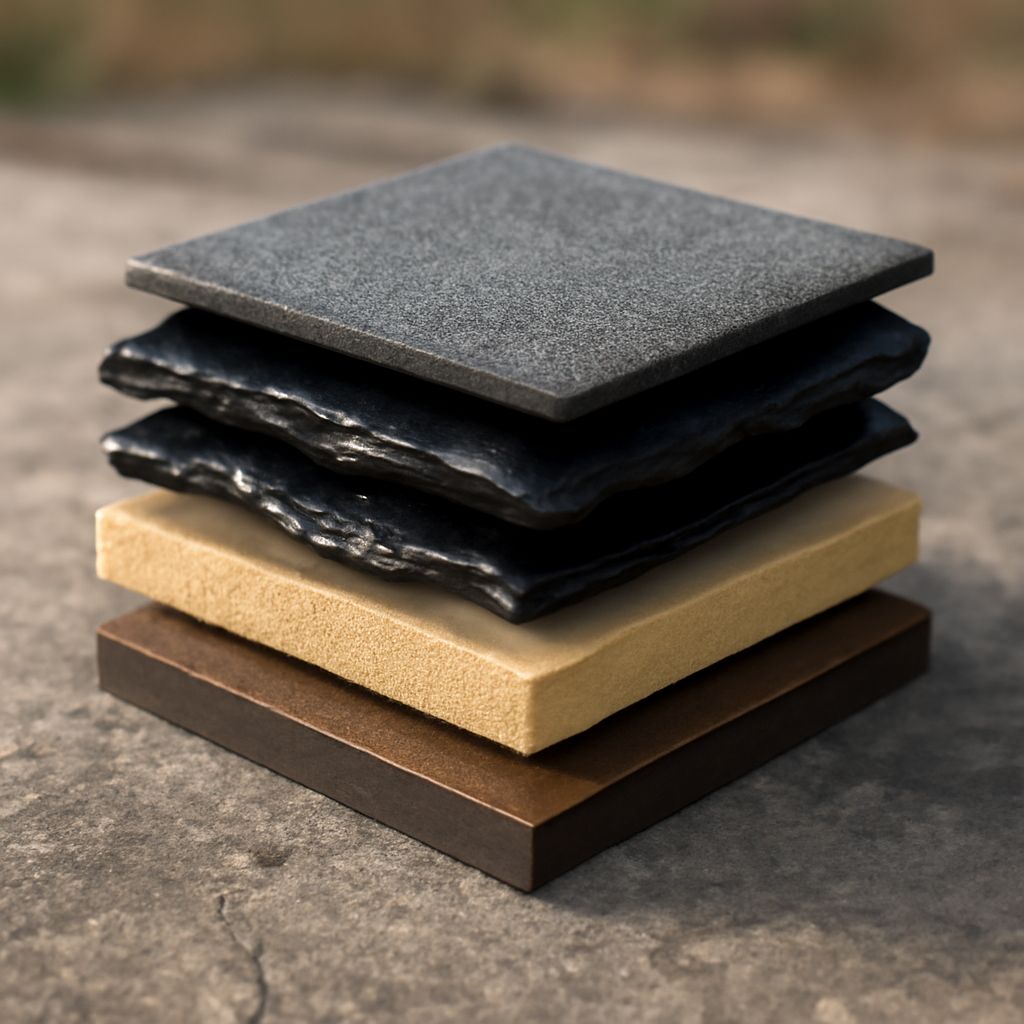
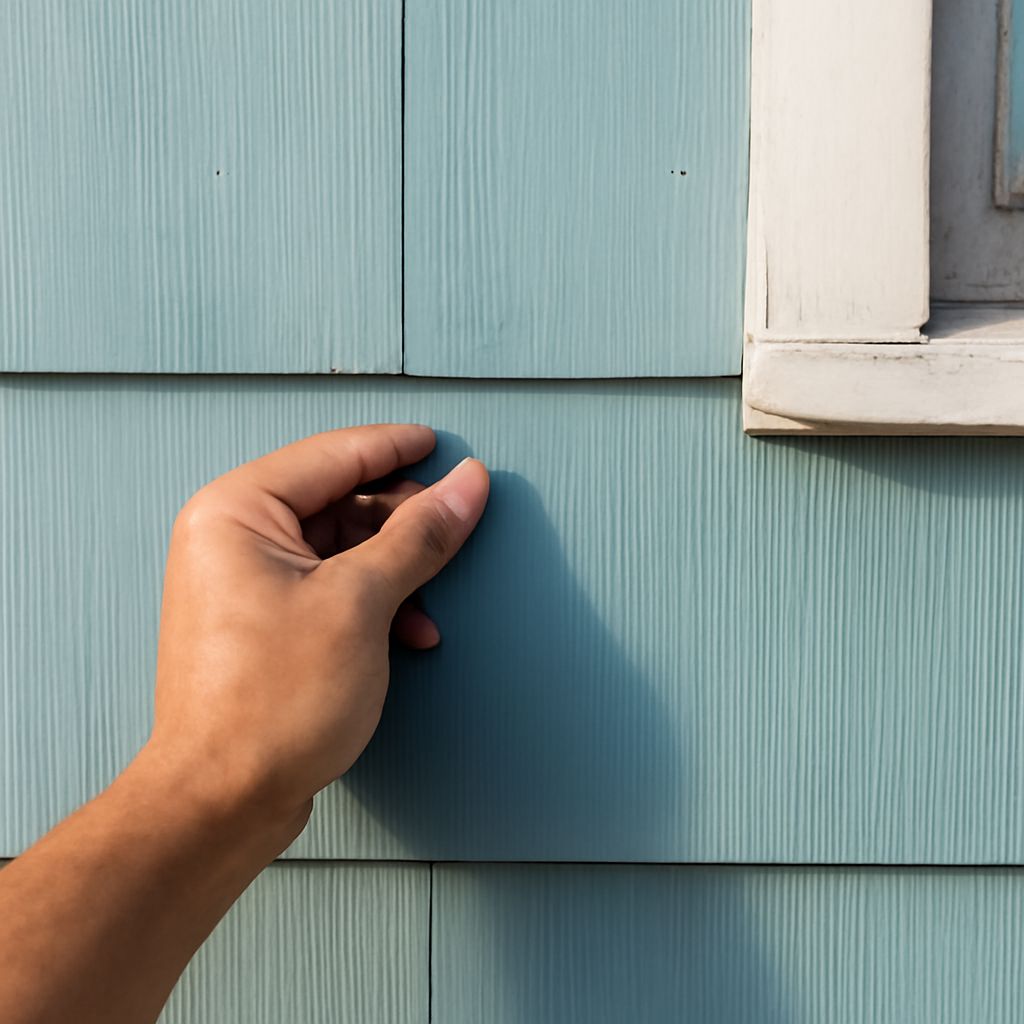
Asbestos shingles come in various forms, predominantly used in roofing and siding. These shingles were favored for their fireproof properties and strength. Typically, asbestos roof tiles and asbestos siding incorporate a mix of asbestos fibers with cement, creating a durable structure.
History and usage
Historically, asbestos was celebrated for its versatility and resilience, leading to widespread use in the mid-20th century. Asbestos cement products became popular in residential and commercial buildings, with shingles being a common application. However, the discovery of asbestos-related health risks led to a decline in its use and eventual bans in many countries.
Health risks associated with asbestos shingles
Why asbestos is dangerous
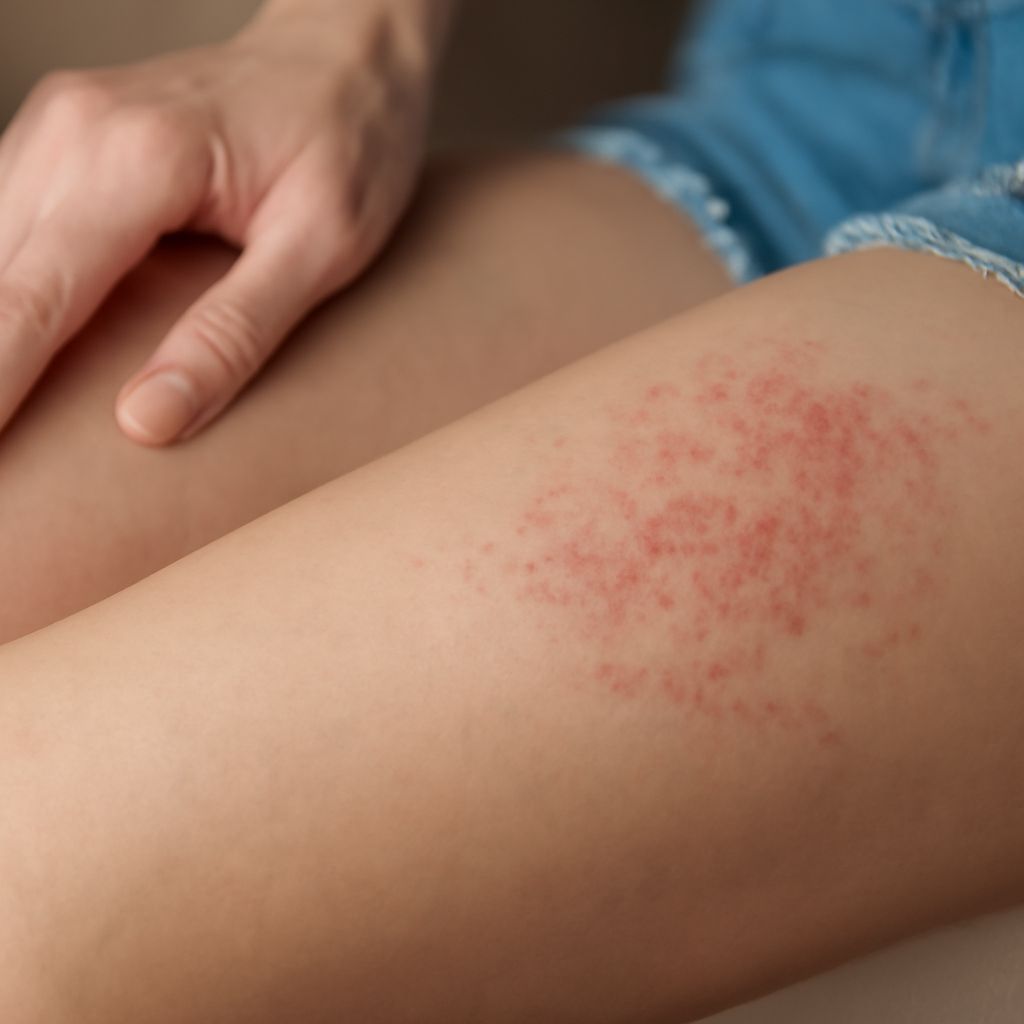
Asbestos is hazardous due to its microscopic fibers, which, when inhaled, can cause severe respiratory issues. Prolonged exposure to these fibers is linked to diseases such as asbestosis and mesothelioma, making asbestos a major health threat.
Symptoms of asbestos exposure
Symptoms of asbestos-related conditions often develop years after exposure. They include persistent coughing, shortness of breath, and chest pain. If you suspect exposure, consulting a medical professional is essential for proper diagnosis and management.
Identifying asbestos shingles in your home
Visual characteristics
Identifying asbestos shingles involves examining their appearance. These shingles may have a distinct cement-like texture and may vary in color. However, visual inspection alone might not be sufficient for identification.
Professional inspection
To unequivocally determine the presence of asbestos, engaging a licensed inspector is advisable. These professionals have the tools and expertise to assess the materials safely and recommend appropriate actions.
Safely removing and disposing of asbestos shingles
Legal requirements
Removing asbestos shingles is governed by strict regulations to protect public health. It’s crucial to comply with local laws regarding asbestos disposal, which often require specific permits and procedures.
Hiring a professional
Due to the risks associated with handling asbestos, hiring a professional removal service ensures safety and compliance with regulations. Experts in asbestos abatement possess the necessary equipment and knowledge to remove shingles safely.
DIY precautions
If you choose to remove asbestos shingles yourself, take stringent precautions. Wearing protective gear, such as respirators and disposable clothing, is essential. Additionally, ensure the area is well-ventilated and follow all recommended safety guidelines.
Alternatives to asbestos shingles
Modern roofing options
There are numerous modern roofing materials that offer safety and durability without the health risks of asbestos. Options such as metal roofing, asphalt shingles, and composite materials provide effective protection and aesthetic appeal.
Eco-friendly siding solutions
For siding replacements, consider eco-friendly materials like fiber cement, recycled wood, and natural stone. These alternatives not only minimize environmental impact but also enhance the look and value of your home.
Pro tips recap: Understanding and identifying asbestos shingles is crucial for safety. Prioritize hiring licensed professionals for inspections and removal. If DIY is necessary, adhere strictly to safety protocols. Finally, explore modern, environmentally friendly materials for replacing asbestos products, ensuring a safe and sustainable home environment.