Your pool is a significant investment, and keeping it watertight starts with the grout holding every tile in place. Whether you are dealing with crumbling pool tile grout along the waterline or a nagging leak that points to a bigger problem, understanding the relationship between surface materials and subsurface systems helps you catch issues early. This guide walks you through diagnosing grout failure, choosing the right flexible tile grout, executing a solid pool grout repair, and knowing when deteriorating surfaces signal a need for pool plumbing repair.
From weekend DIYers to seasoned pool owners, the advice below applies to fiberglass, gunite, and vinyl-liner pools alike. You will find practical steps, product guidance, and professional thresholds throughout.
Why Pool Grout Fails and When to Act
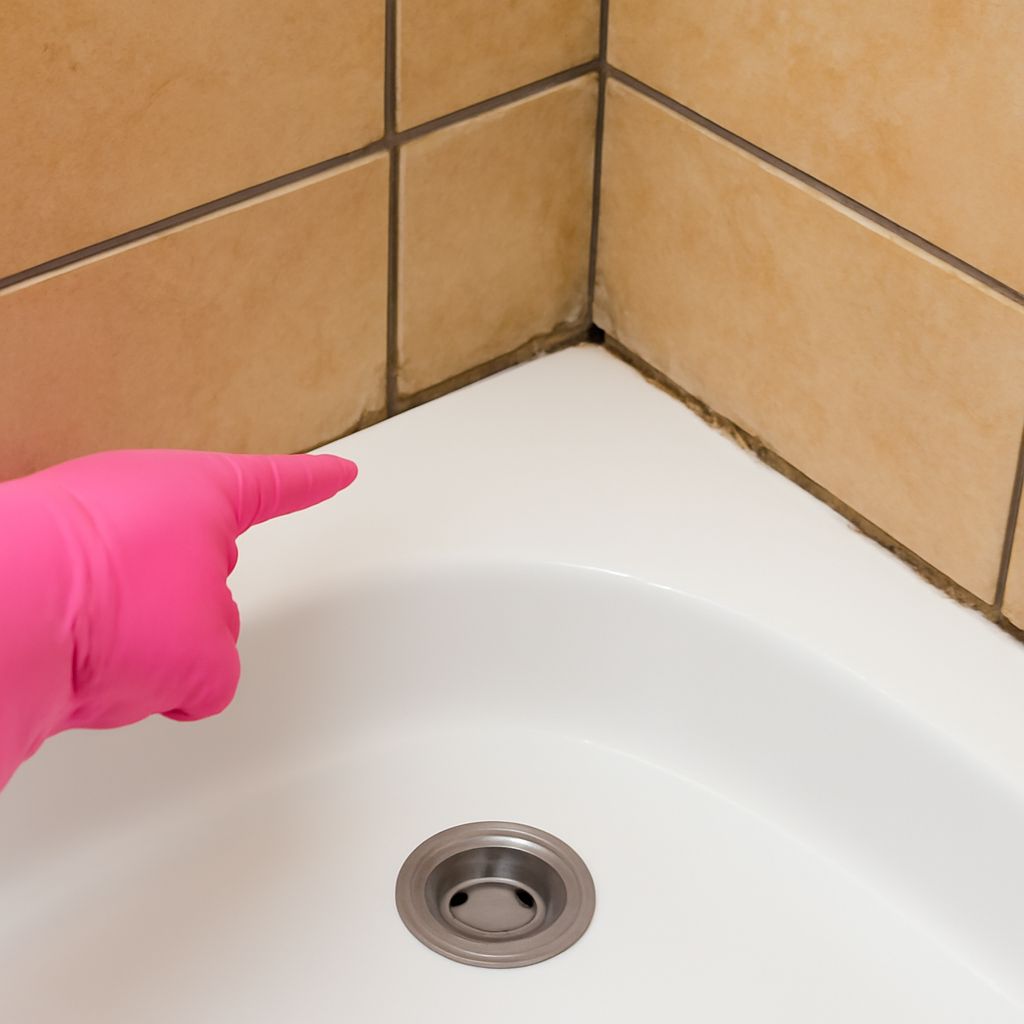
Signs Your Pool Tile Grout Needs Attention Grout around pool tiles lives in a harsh environment: constant wet-dry cycles, chlorine, UV exposure, and seasonal freeze-thaw movement all accelerate deterioration. Watch for hairline cracks running along grout lines, discoloration that will not scrub away, tiles that shift or feel hollow when tapped, white efflorescence deposits on the tile surface, and water loss that exceeds normal evaporation rates. When you tap a tile and hear a dull thud instead of a solid sound, the bond behind it has likely failed. Acting at the first crack saves you from replacing entire tile sections later.
Grout Damage vs. Plumbing Issues
Not every crack means a plumbing crisis. A simple bucket test helps: fill a bucket to pool water level, set it on a step, and mark both water lines. If the pool loses more water than the bucket over 24 hours, leaking behind the tiles rather than evaporation is the likely culprit. At that point, repairing grout lines alone will not solve the problem.
Choosing the Right Flexible Tile Grout for Pools
Sanded vs. Unsanded Pool Grout
Standard cement-based grout is often a poor fit for pool environments. Sanded grout works for joints wider than 1/8 inch and resists shrinkage, but it is porous and absorbs water over time. Unsanded grout suits narrow joints but can crack under pool chemistry stress. For most pool tile applications, you want something engineered specifically for water immersion.
Epoxy and Flexible Options for Wet Environments
Using a flexible tile grout formulated for pools is the smartest upgrade you can make. Epoxy grout is the gold standard: it is non-porous, chemical-resistant, and handles constant submersion without degrading. Polymer-modified cement grouts also offer improved flexibility. When buying pool grout, look for ANSI A118.3 certification for chemical-resistant epoxy, flexibility ratings suitable for movement joints, colorfastness in chlorinated water, and UV stability for above-waterline applications.
How to Do Pool Grout Repair Step by Step
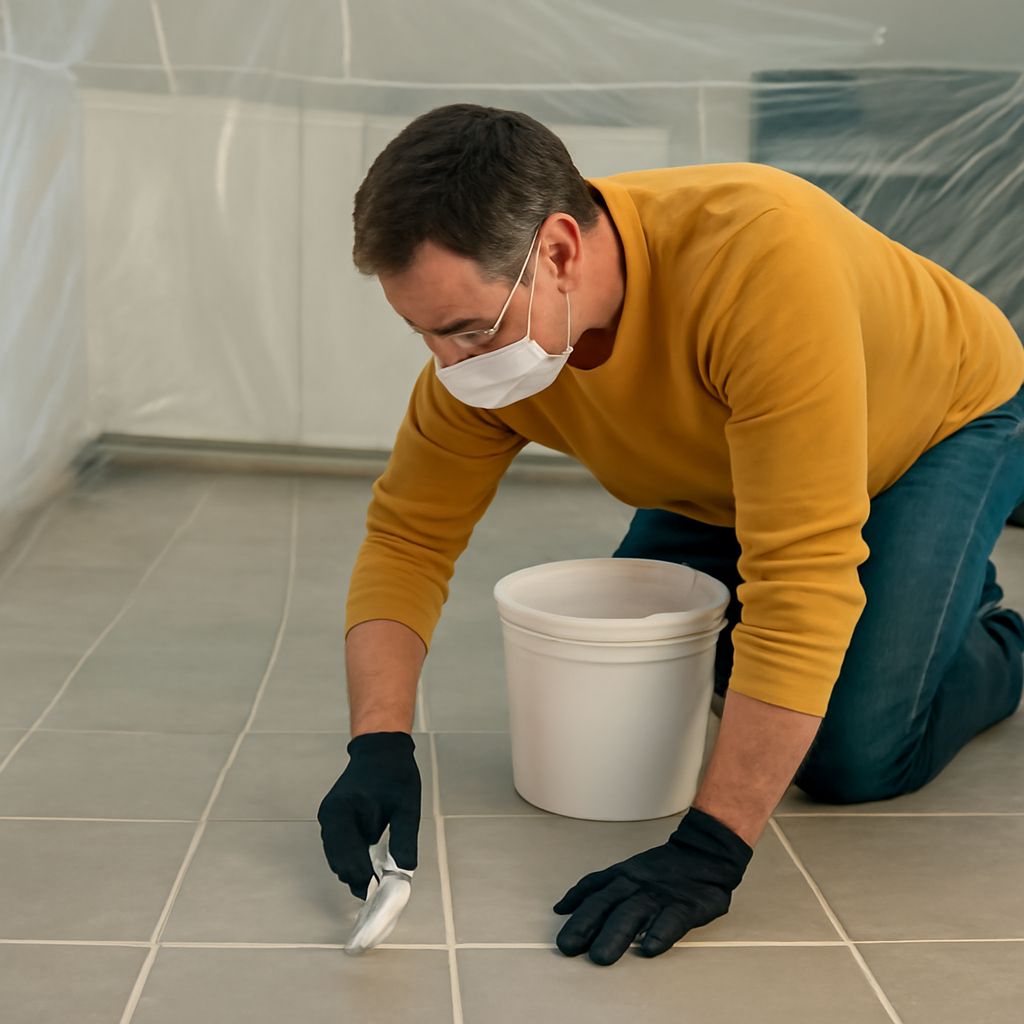
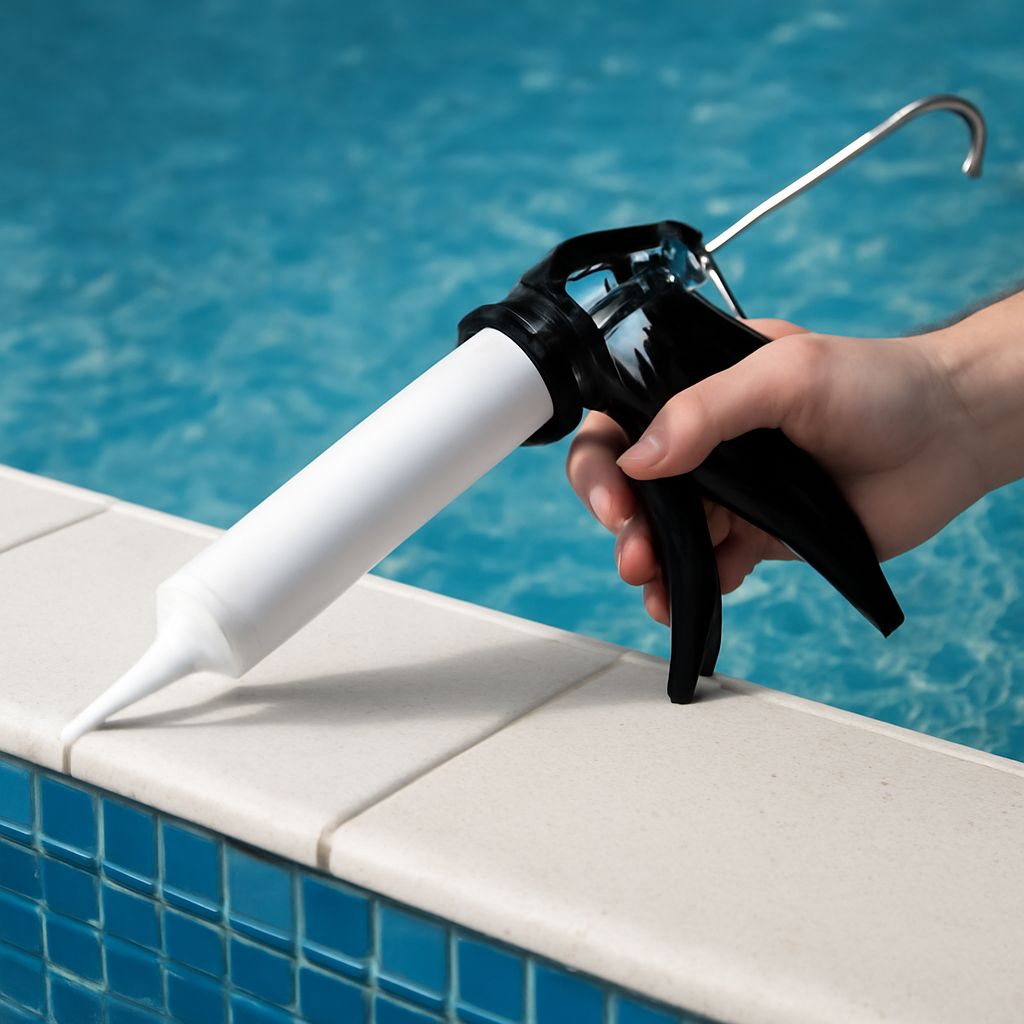
Fixing deteriorated grout in a pool requires draining to the repair area, thorough prep, and the right materials. Lower the water level below the repair area by at least 6 inches. Remove old grout using an oscillating multi-tool with a grout blade or a hand grout saw, working carefully to avoid cracking tiles. Clean and dry the joint completely, letting the area dry for at least 24 hours. Apply bonding agent if recommended, then mix and apply the pool grout according to product instructions, pushing it firmly into the joint with a grout float. Tool the joint to create a slightly concave profile that sheds water, and cure before refilling since epoxy grout typically needs 24 to 72 hours before reintroducing water.
Pool Plumbing Repair: When Grout Damage Goes Deeper
Leak Detection Behind Pool Tiles
If re-grouting did not stop water loss, the problem may lie in the shell or behind the tile substrate. Pressure testing return lines and skimmer connections helps isolate the source. Dye testing, which involves injecting colored dye near suspected cracks, is a low-cost diagnostic tool any pool owner can try before calling a specialist.
Calling a Professional for Pool Plumbing Repair
Some situations require licensed pool contractors. Plumbing repair for pools becomes necessary when you have confirmed pipe leaks under the deck, structural cracks in a gunite shell, or when DIY diagnostics cannot isolate the water loss source. A professional leak detection service uses electronic listening devices and pressure gauges to pinpoint the problem precisely, saving you from unnecessary excavation. Repairing pool plumbing systems on your own is feasible for visible return fittings and skimmer throats, but anything below the deck or inside the shell calls for expert hands.