When it comes to home renovation, tiling is a popular choice for adding both durability and style to your spaces. But can you tile over painted drywall, and if so, what are the best practices? This guide will walk you through the process of installing a tile backsplash over painted drywall and explore if you can tile over drywall in a shower. Whether you’re a DIY enthusiast or considering hiring a pro, understanding these key aspects will help you achieve a successful tiling project.
From the types of drywall suitable for tiling to the common mistakes to avoid, this article covers everything you need to know. Discover the essential tools and materials needed, learn the step-by-step installation process, and explore alternative solutions for moisture-prone areas like showers. Dive into this comprehensive guide and make informed decisions about your tiling projects.
Understanding the Basics of Tiling on Drywall
Types of Drywall Suitable for Tiling
Before you start, it’s crucial to identify the types of drywall that are suitable for tiling. Standard drywall can be used for tiling in low-moisture areas, but for high-humidity zones, you should opt for moisture-resistant or cement board drywall. These materials provide better adhesion and longevity for your tiles.
Preparing Drywall for Tiling
Preparation is key for a successful tiling job. Ensure the drywall is clean, dry, and free of any loose paint or debris. Sand down any glossy surfaces to improve adhesion. It’s also wise to prime the drywall with a suitable primer to create a strong bond between the drywall and the tile adhesive.
Can You Tile Over Painted Drywall?
Pros and Cons of Tiling Over Painted Surfaces
Tiling over painted drywall can save you time and effort, but it also has its drawbacks. The existing paint may cause adhesion issues if not properly prepared. However, if the paint is in good condition and you’re in a low-moisture area, tiling over paint can be a feasible option. Always weigh the advantages and disadvantages before proceeding.
Steps to Prepare Painted Drywall for Tiling
To prepare painted drywall for tiling, start by cleaning the surface to remove any grease or dirt. Next, sand the painted surface to create a rough texture, allowing better grip for the adhesive. Use a primer suited for painted walls to enhance adhesion, and repair any damages or holes in the drywall to ensure a smooth base.
Installing Tile Backsplash Over Painted Drywall
Essential Tools and Materials Needed
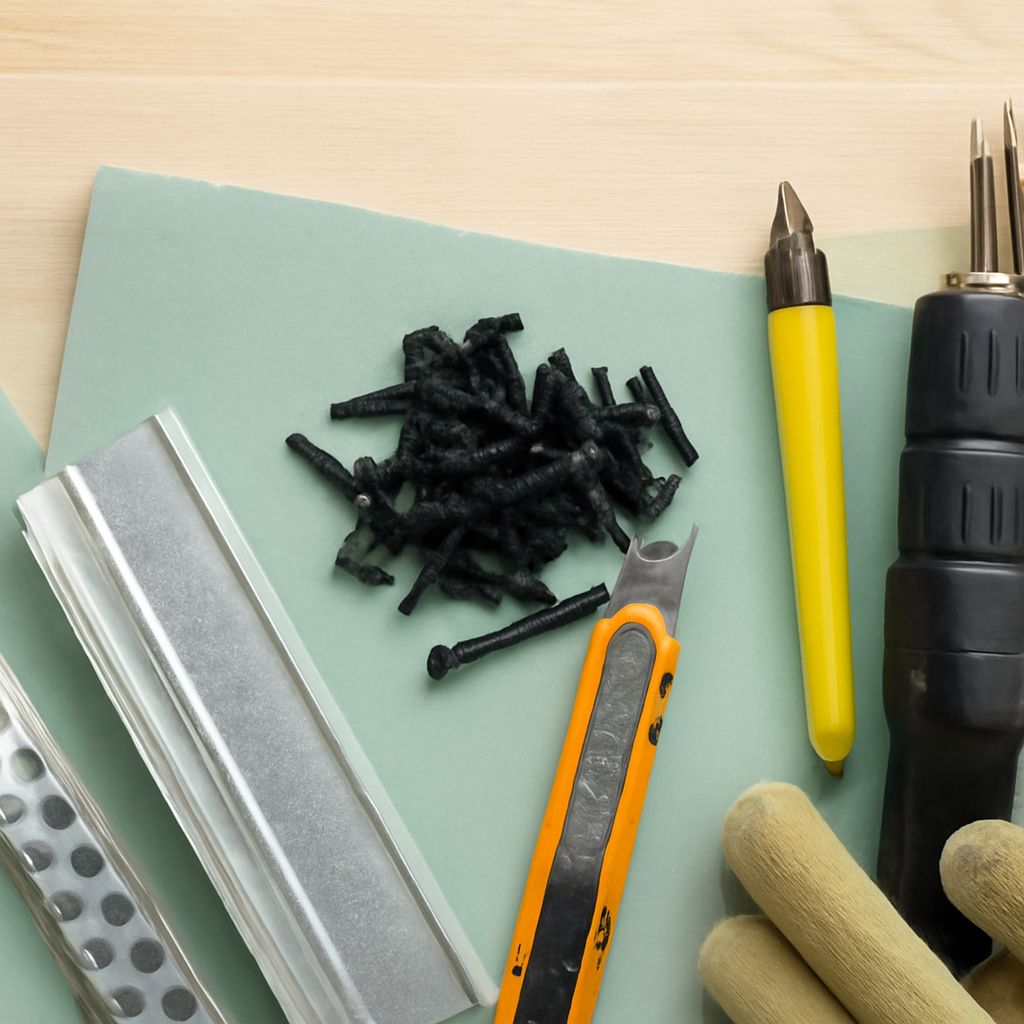
Gather all the necessary tools and materials before beginning your backsplash project. You will need a tile cutter, adhesive, grout, spacers, and a notched trowel. Additional tools like a level and a tape measure will ensure your tiles are aligned properly.
Step-by-Step Installation Process
Start by laying out your tiles to determine the best arrangement. Apply adhesive to the wall using a notched trowel, then press the tiles firmly into place, utilizing spacers for even spacing. Once the adhesive sets, apply grout between the tiles, and clean the excess with a damp sponge. Allow the grout to cure before sealing to ensure durability.
Can You Tile Over Drywall in a Shower?
Considerations for Tiling in Moisture-Prone Areas
Tiling over drywall in showers can be risky due to high moisture exposure. Moisture-resistant drywall or cement board is recommended to prevent damage. Ensure all edges and seams are properly sealed to prevent water infiltration, which can lead to mold and structural damage.
Alternative Solutions for Shower Drywall
If you’re unsure about tiling directly on drywall in a shower, consider alternatives like installing a waterproof membrane or using specialized shower panels. Consult a licensed contractor for complex installations to ensure your shower remains watertight.
Common Mistakes to Avoid When Tiling Over Drywall
Avoiding Adhesive Issues
Poor adhesive application is a common mistake in tiling projects. Use the correct type of adhesive for your tile and drywall combination, and follow manufacturer instructions meticulously. Ensure full coverage by pressing the tiles firmly and removing any air pockets.
Ensuring Proper Sealing and Waterproofing
Neglecting waterproofing is a critical error, especially in showers and other wet areas. Always use high-quality sealants on grout lines and ensure all potential leakage points are addressed. Proper sealing is your first defense against water damage and mold.