A crack in a window leaves you with a practical question: can the damaged glass be fixed, or must the whole window come out? Start by keeping clear of the pane and identifying the damage from a safe distance. Then ask a qualified glazier to assess the glass, its frame, and the options for repair or replacement.
A fix for window glass depends on the type of pane and the condition of the surrounding assembly. A sound frame may accept new glazing; a rotten frame or a failed operating mechanism can make a larger repair or replacement more sensible.
Window glass repair starts with a safe inspection
Keep children and pets away from the opening. Do not press on a crack, handle loose shards, or operate a damaged sash. Photograph the damage from a safe position and tell the service company whether the opening is exposed to weather. Ask the company how to secure it while you wait. The National Glass Association recommends blocking off the area and having a professional handle removal of broken glass.
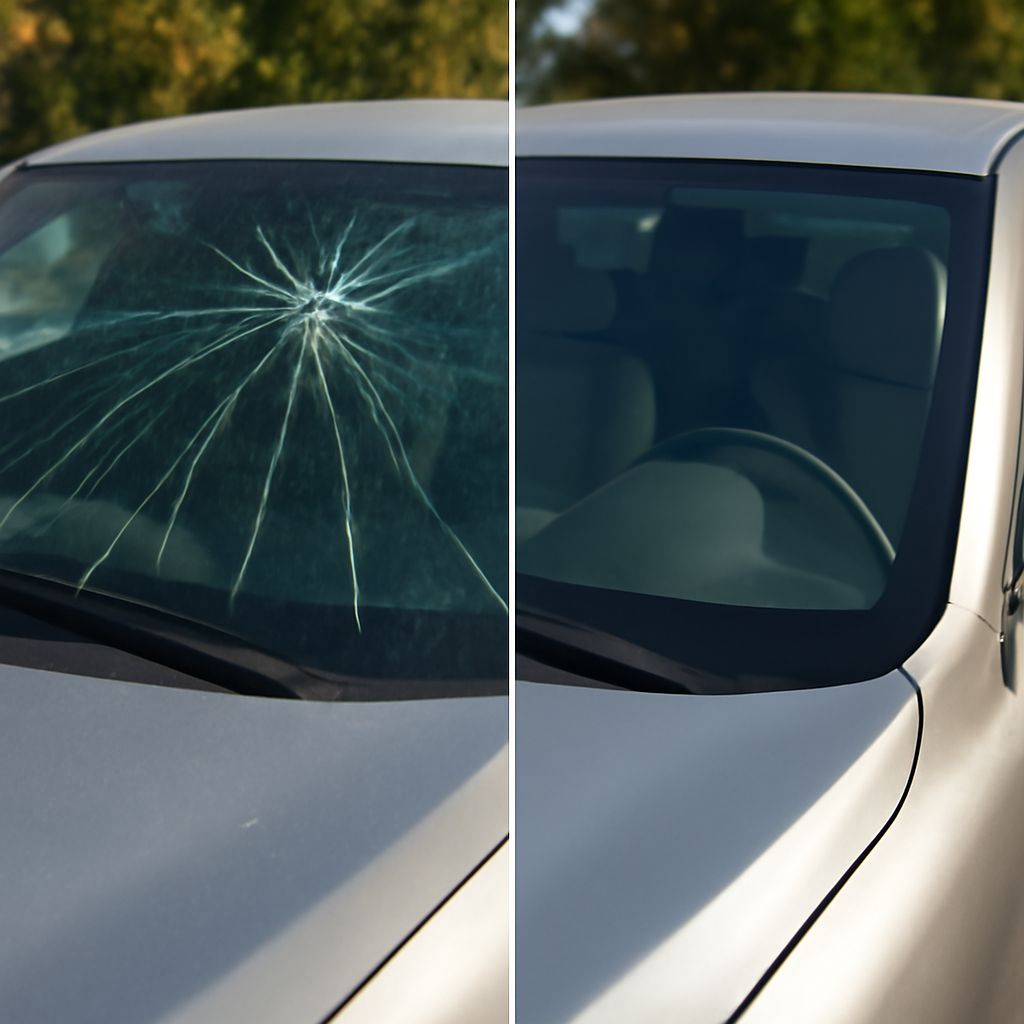
Describe where the damage appears: a crack through one pane, fog trapped between panes, or water on a room-facing surface points to different work. A glass fix cannot be assumed to restore a cracked pane’s strength or original performance. Ask the glazier about safe temporary protection and arrange replacement of broken glazing. The work to restore damaged glass in a window starts with identifying the correct replacement.
Identify the glass and its job
An older single-pane window may have one sheet held in a sash by stops or glazing compound. Many newer windows contain an insulating glass unit, or IGU: two or more panes assembled with a sealed space between them. The unit is normally replaced as an assembly when a pane breaks or the seal fails; the sash or frame can sometimes remain.
Glass also has different safety and performance roles. Tempered or laminated safety glazing may be required in locations such as certain doors or areas near floors. Some homes need impact-rated assemblies, while others have coatings or gas fills intended to reduce heat transfer. Give the glazier any manufacturer label and explain where the window is installed. A replacement must meet the applicable safety requirements and fit the existing assembly.
Window glass repair estimates should specify the glass type, number of panes, and any coating or safety glazing. Ask whether the proposed unit matches the existing appearance and performance. If the type is unknown, let the professional identify it; a clear-looking pane does not reveal all its properties.
Look for a failed seal or a separate moisture problem
Condensation on the room-facing surface can be related to indoor humidity and a cold surface. Moisture between sealed panes is different: it can indicate that the IGU seal has failed. The Department of Energy’s wood-window guidance identifies fogging between panes as a sign of seal failure. Ask a glazier to confirm where the moisture sits and whether the unit can be replaced in the existing sash.
For windows, glass repair decisions should also account for water at the frame. Look for staining, peeling finish, soft wood, or water collecting at the sill, and tell the contractor when it appears. New glazing will not correct a leak around the frame or defective exterior flashing. Ask for the source of the water and a separate price for correcting it.
Compare a pane, sash, and complete window
If the sash and frame are sound, replacing the pane or sealed unit can preserve the surrounding trim and limit disturbance to the wall. Ask whether the manufacturer still supplies a compatible unit and whether the existing stops and seals can be reused. The price to fix the window glass should include removal, the specified replacement, installation, and cleanup.
Repairing a window’s glass can leave a sound sash in place. A replacement sash may be an option when the glass and moving frame are damaged but the outer frame remains sound. A whole-window replacement deserves a quote when rot, distortion, failed hardware, or persistent air and water leaks affect the assembly. The contractor should explain which components are damaged and whether they can be repaired. For several windows, fixing the glass alone may make sense on some openings while others need more extensive work.
A repair to window glass will not automatically improve an old frame’s air sealing or operation. On the other hand, a complete window involves work at the wall and trim. Compare what each proposal actually solves, including any exterior flashing or interior finish work that follows.
Read the estimate before work begins
Request written quotes for the practical options. Each should identify the opening, glass specification, work on the sash or frame, labor, disposal, and any temporary covering. Ask about lead time, deposits, taxes, and the warranty on both the unit and workmanship. If the contractor cannot determine the full scope until the sash is opened, agree on an inspection charge and how additional work will be authorized.
Ask what happens if the existing frame is found unsuitable after removal. A quote for fixing window glass may exclude damaged stops, refinishing, or repairs to surrounding wood. Have those items priced separately where possible, and ask the company to call before proceeding beyond the agreed work.
Choose the smallest scope that restores the required safety and performance and addresses the cause of the damage.