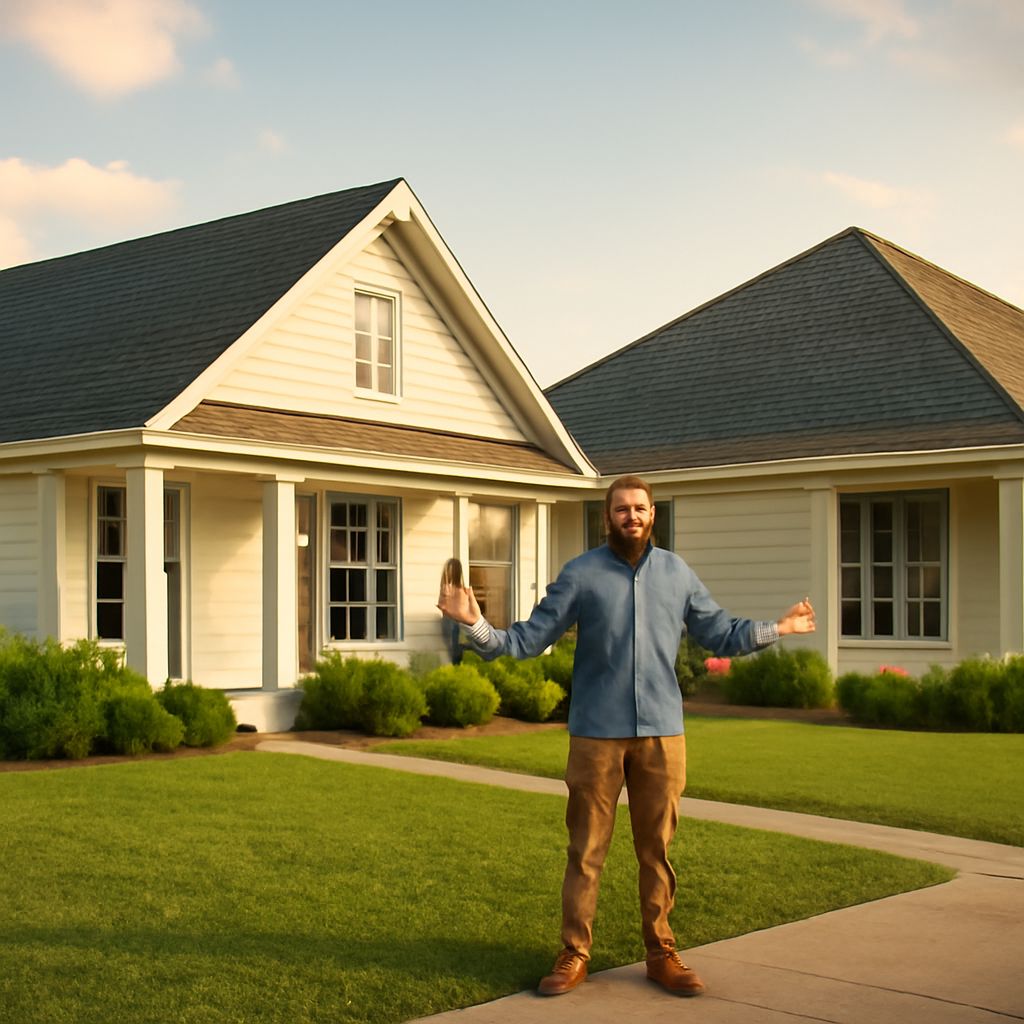
When considering a home redesign or new construction, the type of roof you choose is crucial. Two popular styles, the hip roof and the gable roof, offer distinct advantages that fit different needs and aesthetics. Deciding between a hip roof vs gable roof involves understanding their definitions and unique characteristics. Let’s explore what a gable roof is, how it differs from a hip roof, and the particular benefits and drawbacks of each style.
Introduction to roof styles
Roof styles have a significant impact on the appearance and functionality of a building. Architectural trends and regional climates often dictate the choice of roof design. While some roofs are designed for specific aesthetic appeals, others prioritize durability and resistance to weather elements. Among the various options, gable and hip roofs are two of the most commonly adopted styles worldwide.
What is a gable roof?
A gable roof, one of the simplest yet most popular roof designs, is noted for its triangular shape. This classic design, characterized by two sloping sides that meet at a ridge, is both functional and visually appealing. A gabled roof allows for efficient water runoff and maximizes attic space, providing practicality along with its straightforward appearance.
Gable roof definition and characteristics
The defining feature of a gable roof is its triangular silhouette. Each side of the roof slopes downward, creating a ridge that serves as the roof’s peak. Gable roofs offer abundant attic space, making them ideal for homes that require additional storage or living areas. Moreover, they are relatively easy to construct, often resulting in lower labor costs compared to more complex designs.
Gabled roofs excel in areas that experience heavy rainfall or snowfall, as their steep pitch allows precipitation to slide off effortlessly. However, in regions prone to high winds, these roofs may require additional bracing or anchoring to prevent potential damage. If you live in an area with severe weather conditions, consulting a licensed contractor for specific reinforcements is advisable.
Hip roof vs gable roof: Key differences
While both hip and gable roofs are popular, they differ in several key aspects. A hip roof features slopes on all four sides of the structure, converging at a single peak or ridge. This design offers superior stability and resilience against wind damage, making it a favorable choice in hurricane-prone areas.
In contrast, gable roofs, with their two-sided slopes, are generally less complex and more cost-effective to build. They often provide more space for attic conversion and allow for easier ventilation installation. However, their simplistic design can sometimes be more susceptible to wind uplift if not properly constructed.
Advantages and disadvantages of hip style roofs
Hip roofs boast several advantages, primarily their durability and stability. With sloping sides on all four edges, they offer superior wind resistance. This makes them a preferred choice for homes in areas with extreme weather conditions. Additionally, hip roofs can accommodate a wider range of roofing materials and styles, allowing for greater customization.
On the downside, hip roofs typically involve more complex construction processes, leading to higher costs in terms of labor and materials. They also tend to have less available attic space compared to gable roofs, potentially limiting storage or living space expansion.
Ultimately, the decision between a hip roof and a gable roof should be informed by your specific needs, budget, and regional climate considerations. Consulting with a roofing expert can help you weigh the pros and cons of each style to make a well-informed choice.
Pro tips recap: When choosing between hip and gable roofs, consider your budget, local climate, and space requirements. For areas with high winds, a hip roof provides added stability, while a gable roof offers cost efficiency and increased attic space. Always consult with a professional, especially if your home is subjected to severe weather conditions, to ensure your roof’s longevity and safety.