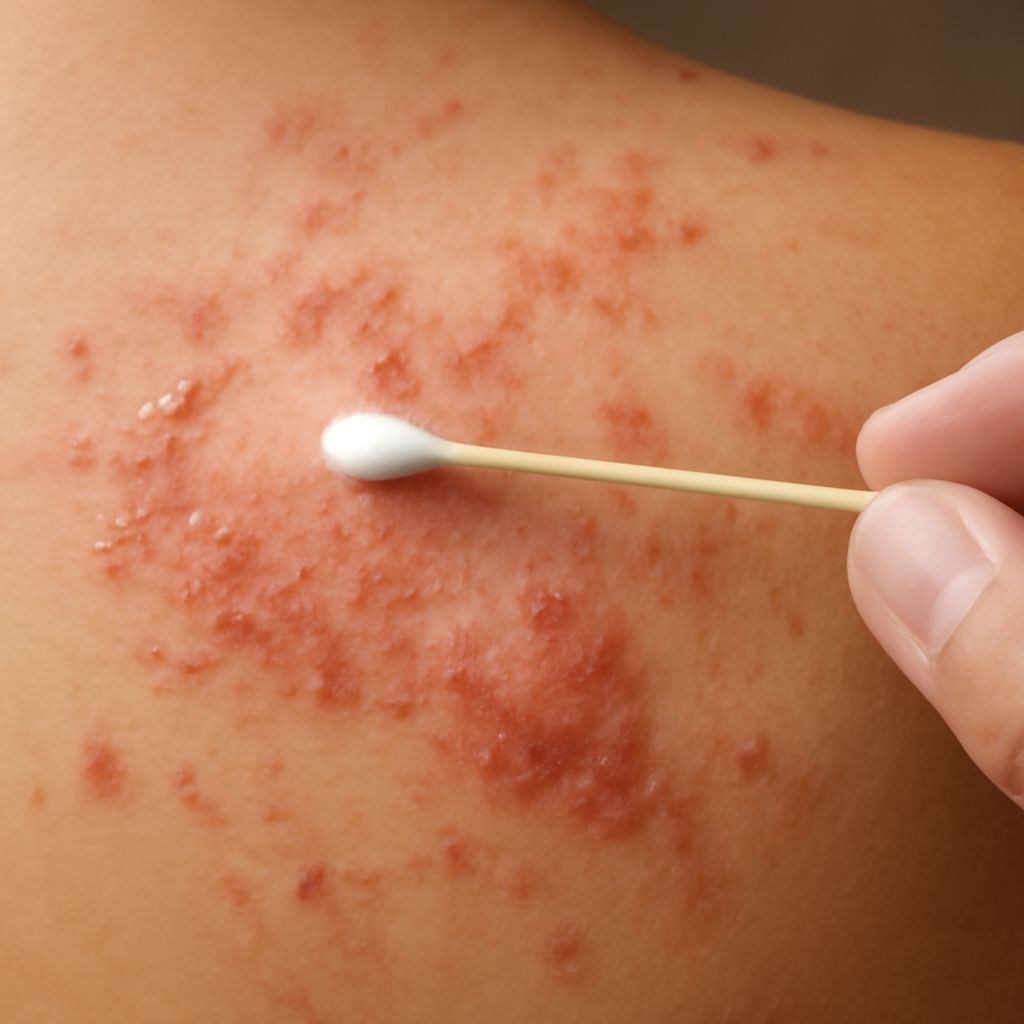
Shingles, a painful rash caused by the reactivation of the varicella-zoster virus, is something many adults worry about after their first outbreak. You might wonder, does shingles come back after the first episode? It is crucial to understand if shingles can reoccur, insight that is vital for those who have experienced it once and are keen on preventing it from happening again. In this article, we will explore whether shingles can come back more than once, what factors contribute to its recurrence, and the steps you can take to protect yourself.
Understanding shingles and its causes
What is shingles?
Shingles, also known as herpes zoster, is an illness that emerges from the chickenpox virus (varicella-zoster virus) that remains dormant in your nerve tissues. After a bout of chickenpox, usually during childhood, the virus can lie inactive for years before reactivating as shingles in adulthood. This reactivation leads to a rash that is often accompanied by pain and discomfort.
Causes of shingles
The leading cause of shingles is the reactivation of the dormant varicella-zoster virus. Various triggers such as stress, aging, or a weakened immune system can cause this reactivation. When your body’s defense mechanisms are compromised, the dormant virus can awaken, leading to a shingles outbreak.
Risk factors for shingles recurrence
While anyone who has had chickenpox can develop shingles, certain factors increase the likelihood of recurrence. These include advancing age, with a higher incidence in individuals over 50, a weakened immune system due to medical conditions or medications, and high levels of stress. Understanding these risk factors is crucial in assessing personal vulnerability to shingles coming back.
Can shingles come back?
Why shingles might reoccur
Shingles can reoccur when the immune system fails to keep the varicella-zoster virus in check. Factors such as stress and immune suppression contribute to the virus’s ability to reactivate. When your body is under duress, the virus, lying dormant in nerve cells, can break free, leading to another shingles attack.
Statistics on shingles recurrence
Studies indicate that approximately 1-5% of individuals who have had shingles will experience a recurrence. Though not exceedingly common, recurrence is a real possibility, especially in people with compromised immune defenses or those who experienced severe initial outbreaks. Knowing these statistics provides a clearer picture of shingles’ potential to reoccur.
Does shingles come back more than once?
Cases of multiple shingles recurrences
While rare, some individuals do encounter multiple episodes of shingles. Repeated recurrences occur typically under specific conditions, such as continuous immune suppression or ongoing health issues that predispose you to viral reactivation. These repeated bouts can lead to chronic complications and further health concerns.
Factors increasing recurrence risk
Several factors can elevate the risk of shingles coming back more than once. These include chronic diseases like diabetes, prolonged use of immunosuppressant drugs, and ongoing psychological stressors. Being mindful of these factors can help manage risks effectively.
Prevention and treatment of recurring shingles
Vaccines and their effectiveness
Vaccination is a powerful tool in preventing shingles and its recurrence. The Shingrix vaccine, recommended for adults over 50, has shown high efficacy in reducing the risk of initial and subsequent shingles outbreaks. Consulting with a healthcare provider is recommended to determine if vaccination is suitable for you.
Lifestyle changes to prevent shingles
Adopting a healthy lifestyle can significantly decrease your chances of shingles reoccurring. Regular physical activity, a balanced diet, stress management practices like meditation or yoga, and adequate sleep strengthen your immune system and help keep the virus dormant.
Treatments for recurrent shingles
If shingles reappears, antiviral medications such as acyclovir can mitigate symptoms and expedite recovery. Pain management strategies, including topical creams and anti-inflammatory drugs, are critical for comfort. For severe cases, consulting a healthcare professional for tailored treatment is advisable.
Next steps: To minimize the risk of shingles recurrence, stay vigilant about your health and well-being. Regularly consult with healthcare providers, especially when managing chronic conditions or stress. Vaccination should be discussed with your doctor as a preventive measure. By taking proactive steps, you can effectively manage the risk of shingles coming back.