Measure the door’s height and width, note its construction, and check how it moves before shopping. The best opener for your garage door must suit that door’s size, weight, and hardware. Compare garage door motor options only after you know whether the door is sectional or another type and how much room surrounds it.
A high score in customer reviews can point you toward a dependable model, but the best garage door opener for one house may be a poor match for another. A bedroom above the garage, frequent outages, and an unusually tall door each change the choice. Ratings help narrow the field; the fit determines whether a particular unit belongs on your shortlist.
Start with the door and its space
Look for the door manufacturer’s label and record its dimensions. A standard rail may not accommodate a tall door without an extension kit. Check the opener’s specified door height, width, and weight limits, and include any required reinforcement or adapter in the purchase price.
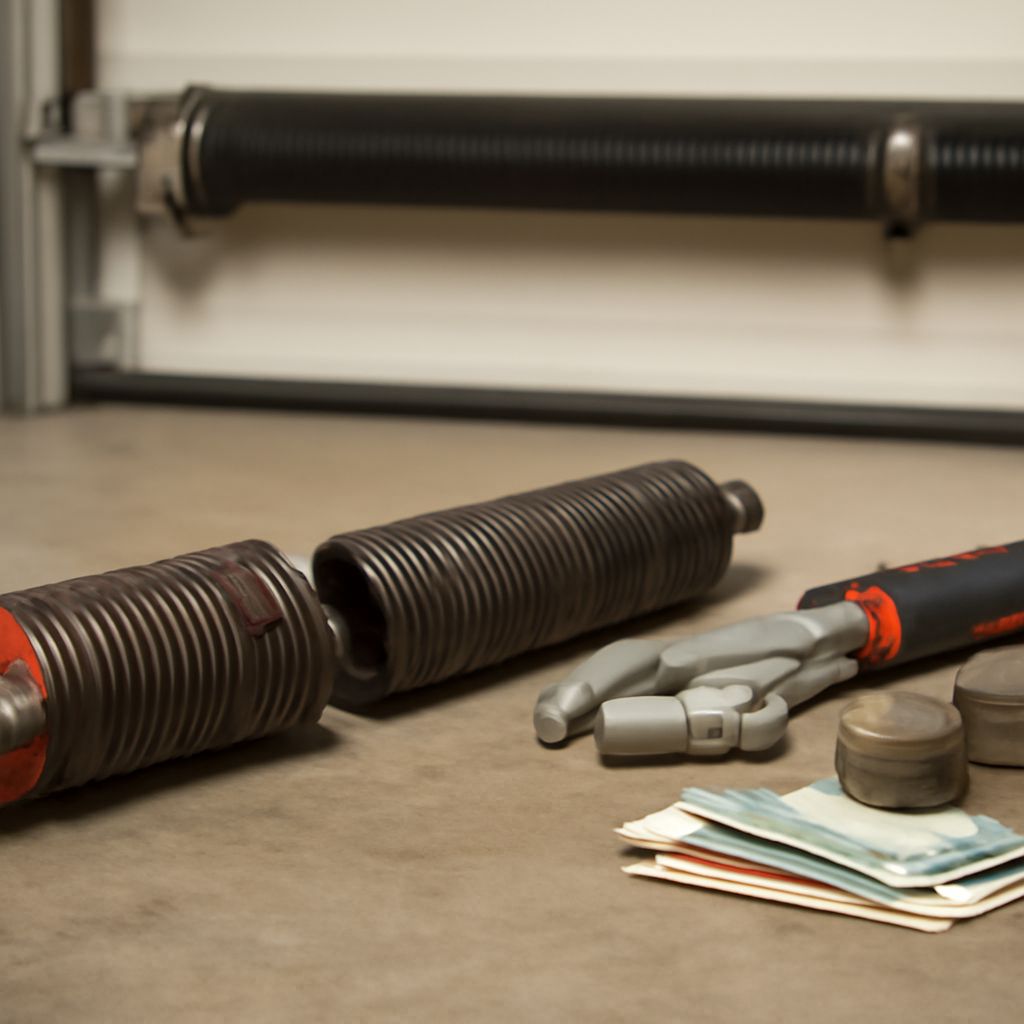
The springs counterbalance the door; the opener guides its movement. If the door is hard to lift, crooked, or will not stay partly open when disconnected according to its instructions, have a trained door technician inspect it. A stronger garage door operator is no cure for a door that binds or is out of balance. The Door & Access Systems Manufacturers Association describes a manual balance check and recommends professional help when the door does not operate properly.
Measure overhead clearance and space beside the door as well. A ceiling-mounted trolley needs a clear path for its rail and power head. A wall-mounted unit typically drives the torsion shaft beside a sectional door, so its fit depends on the shaft, bearings, clearances, and the manufacturer’s requirements. Verify those details before choosing it for a low or obstructed ceiling.
Garage door motors and drive systems
Chain drive pulls a trolley along the rail with a metal chain. It is a durable, often economical choice for a detached garage where some mechanical noise matters little. A belt drive uses a reinforced belt and generally runs more quietly, making it a strong candidate beneath a bedroom. Chamberlain’s buyer’s guide explains both arrangements. Garage door motors also differ in how smoothly they start and stop; consult each model specification.
A wall-mounted, shaft-driven model frees overhead space for storage or a tall vehicle. It can also cost more and may need a compatible torsion-spring arrangement. Screw-drive designs use a threaded rod to move the trolley; check availability, maintenance instructions, and the maker’s limits for your door. The best garage door opener still depends on the condition of the moving door. No drive can make worn rollers or loose hardware silent. Ask a technician to address those sources if the door itself rattles.
The best garage door opener for a bedroom-adjacent garage may therefore be a belt unit with suitable mounting hardware. For a detached shop, a chain model with the right capacity may leave more of the budget for a keypad and backup power.
Capacity, controls, and backup
Compare the manufacturer’s stated door limits and recommended use before comparing horsepower figures. Some garage door motor ratings use horsepower, while others use equivalent or lifting-power labels; the numbers are not always presented in the same way. Match the unit to the door’s specified dimensions and weight, then consider how often your household opens it. The motor for a garage door should have a duty rating suited to repeated trips. Compare garage door motor warranties as well as capacity. Extra power does not repair a binding door.
A wall button and remote cover the basics. The best residential garage door opener for a busy household may include a keypad. A keypad lets family members enter without carrying a remote, while a phone app can show status or send an alert on supported systems. Check whether the app requires a subscription, whether your home Wi-Fi reaches the unit, and which accessories work with the model. The best rated garage door opener may have features you never use; a simpler model can be the better purchase when its limits fit your door.
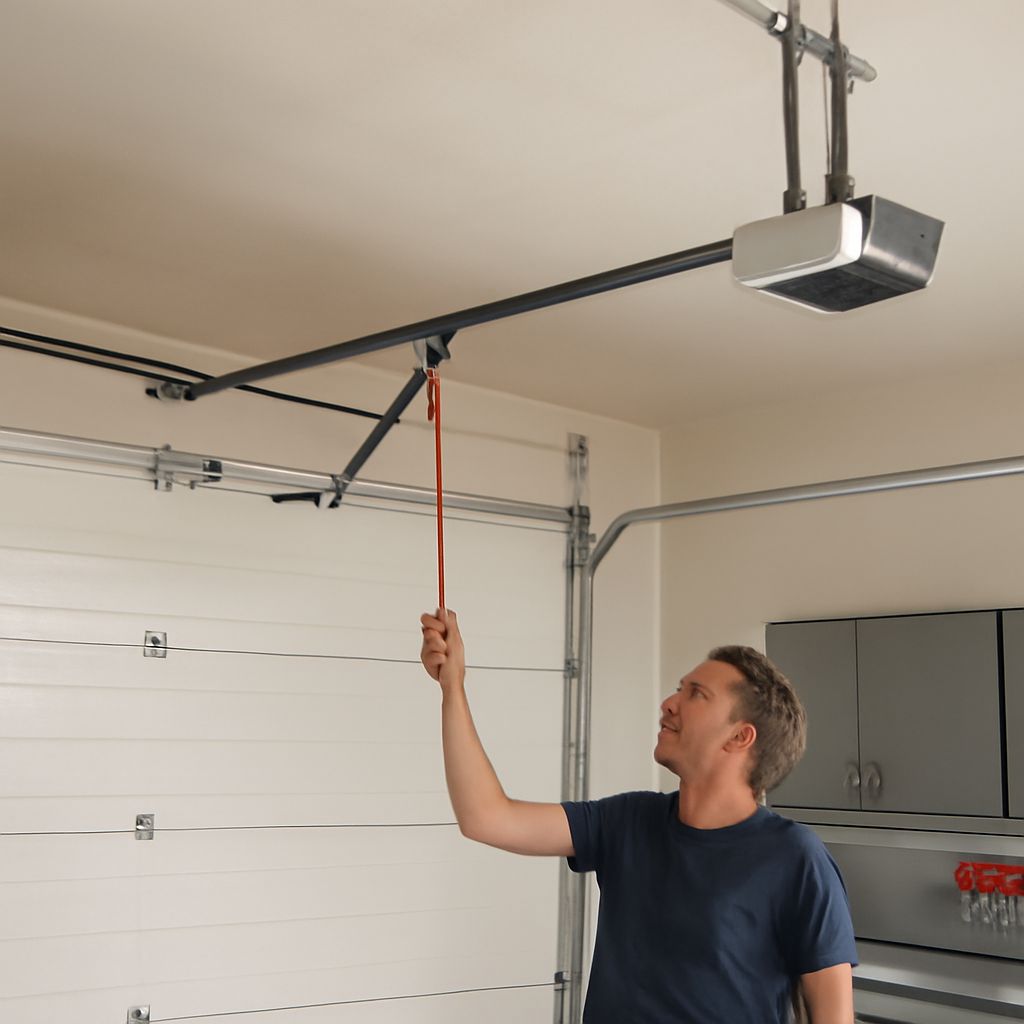
The best garage door opening system for an outage-prone home may include a battery. Battery backup keeps a compatible opener available during an outage, subject to the manufacturer’s operating limits and battery condition. Check replacement cost and the manual’s battery test procedure. Also learn where the manual release is and how to use it safely with the door closed; it provides another way to move a properly balanced door when power is unavailable.
Keep safety features working
Choose a residential door operator with monitored obstruction protection and follow its installation instructions. Photoelectric sensors detect an interrupted beam near the floor, while the reversal system responds when a closing door contacts an obstruction. Keep the path clear and the controls out of children’s reach. The DASMA safety guide places photo eyes no higher than 6 inches above the floor and wall controls at least 5 feet above the walking surface.
Test the safety functions monthly using the manufacturer’s procedure. DASMA describes a reversal test using a 2-by-4 laid flat and a separate sensor test. Keep people and pets clear; if either test fails, stop using the automatic system and call a trained technician. Do not alter springs or bypass a sensor to make a reluctant door close.
Before ordering, compare the best highly rated garage door opener on your list with the complete installed cost: rail extensions, compatible controls, backup battery, and labor. The best opener for a residential garage door should also have accessible service support. Read recent reviews for recurring service or support problems, then check the warranty’s coverage and exclusions. A well-reviewed garage-door operator earns its place only when the specified hardware fits and replacement parts are obtainable.
Choose the best opener for your garage door by matching its rated limits and mounting requirements to the door, then select the noise level, controls, and backup your household needs.