As winter approaches, the threat of ice damming becomes a significant concern for homeowners. Ice dams form when snow on the roof melts and refreezes at the edges, potentially leading to costly roof damage if left unchecked. Understanding the causes and signs of ice dams is crucial for effective prevention and control. This article explores the nature of ice dams, their causes, warning signs, and provides practical ice dam prevention tips to protect your home through the cold season.
What is an ice dam?
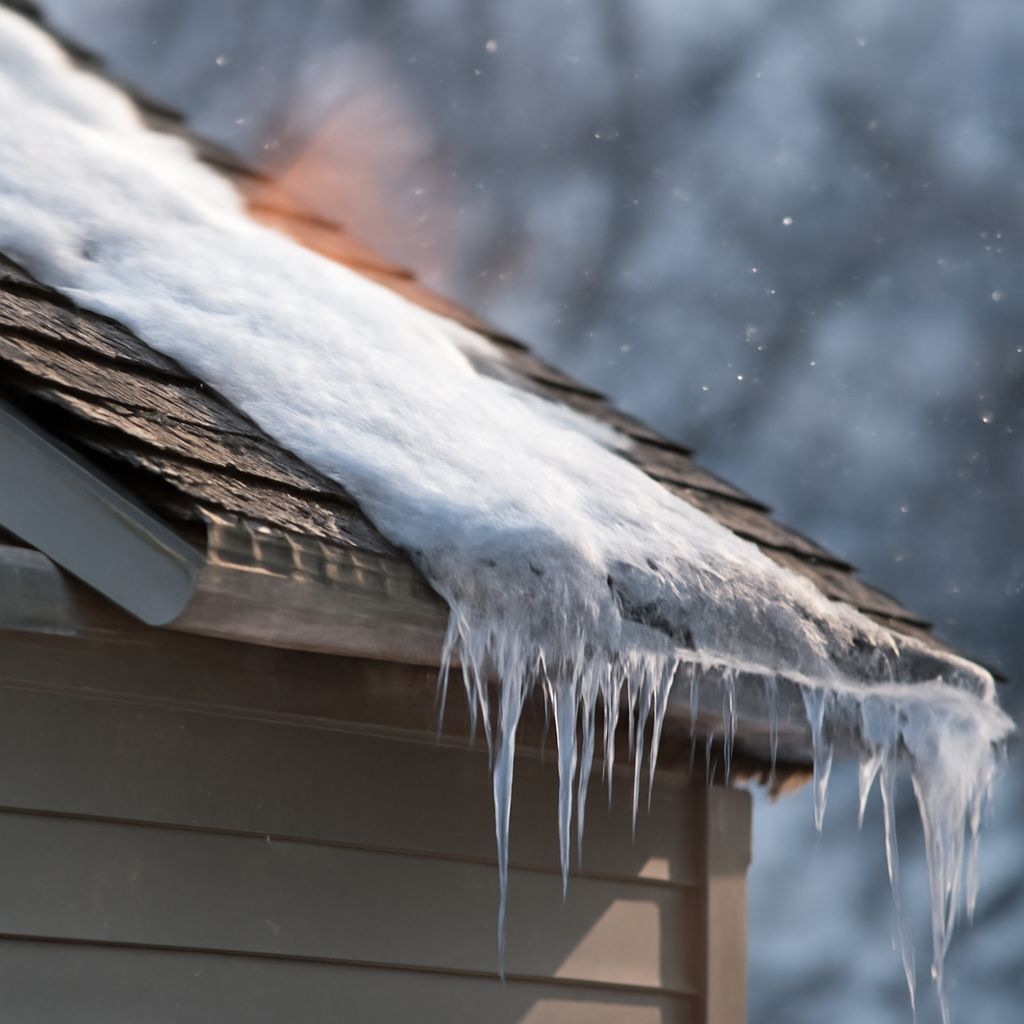
An ice dam is a ridge of ice that forms at the edge of a roof, preventing melting snow from draining off the roof. Instead, the water backs up behind the dam and can leak into the home, causing damage to ceilings, walls, and insulation. The formation of ice dams is a common problem in areas with significant snowfall and cold temperatures.
Causes of ice damming
The primary cause of ice damming is the combination of snow accumulation on the roof and fluctuating temperatures. When the roof’s surface is warmer than the eaves, snow melts and runs down to the colder edges where it refreezes. Poor insulation and ventilation in the attic exacerbate this process by allowing warm air to escape, heating the roof unevenly. Another contributing factor is the presence of roof valleys and complex roof designs, which can trap snow and increase the risk of ice dams.
Signs of ice damming on your roof
Recognizing the signs of ice damming early can help you take preventative action. Look for icicles hanging from the edge of your roof, especially those accompanied by water stains or ice buildup on exterior walls. Inside your home, water stains or damp patches on ceilings and walls can indicate water leakage caused by ice dams. Additionally, if you notice a pattern of excessive ice buildup around the gutters, it may signal an ice dam problem.
Ice dam prevention tips
To prevent ice dams, start by improving the insulation and ventilation in your attic, which will help maintain a consistent roof temperature. Seal any air leaks that could allow warm air to escape into the attic, and ensure your roof has adequate insulation. Regularly remove snow from your roof using a roof rake or hire professionals to do so safely. Installing a roof heating cable along the eaves can also help by providing a clear path for melting snow to drain.
Additionally, consider having a professional inspect your roof for potential issues that could lead to ice dam formation. Properly maintaining your gutters and downspouts will also aid in preventing ice dams by ensuring proper drainage of melting snow and ice.
Professional solutions for ice dams
In cases where ice dams have already formed or are recurring despite your efforts, it may be time to consult a roofing professional. Experts can employ methods such as steaming to safely remove ice dams without damaging your roof. They can also assess your roof and attic for any underlying issues that contribute to ice dam formation, offering solutions like enhanced insulation or ventilation systems.
Incorporating long-term solutions, such as upgrading your roof with a cold roof system, can be beneficial. This system involves creating an air barrier between the roof deck and the insulation, reducing heat transfer and minimizing the risk of ice dams.
For complex situations or significant damage, obtaining a professional opinion is crucial to prevent further issues and ensure your home remains safe and protected.
Pro tips recap: Keep your roof cold by improving insulation and ventilation. Clear snow regularly and maintain your gutters. Consult professionals for persistent issues or complex roof systems.