Experiencing lights flickering in your house can be more than just a minor annoyance; it often signals underlying issues that need attention. Understanding why lights flicker is crucial for maintaining a safe and efficient home electrical system. This article delves into the common causes of lights flickering and offers practical solutions to fix them. By the end, you will know when to call an electrician for flickering lights and ensure your home remains well-lit and safe.
Understanding why lights flicker
Lights flicker due to various reasons, often related to fluctuations in the electrical current. It’s essential to grasp this concept as it will help you identify and resolve the issue more effectively. Flickering can result from changes in voltage levels, loose connections, or faulty wiring. Each of these factors disrupts the steady flow of electricity, causing lights to blink intermittently.
Common causes of lights flickering
Several factors contribute to lights flickering in your home. One prevalent reason is a loose bulb or poor connection, which interrupts the electrical path. Additionally, overloaded circuits can cause flickering, particularly when high-power appliances share the same circuit. Furthermore, issues with the main electrical panel or utility service, such as voltage fluctuations, can lead to intermittent lighting problems.
Another common culprit is outdated or damaged wiring, which not only causes flickering but can also pose a safety hazard. If you notice consistent flickering across multiple lights, it might be time to check the wiring system. Lastly, defective or incompatible dimmer switches can cause lights to flicker, especially with LED bulbs not designed for dimming.
How to diagnose flickering lights in your home
Diagnosing flickering lights requires a systematic approach. Begin by checking if the bulb is securely fastened in its socket. If the problem persists, note if the flickering occurs during the use of specific appliances, which could indicate an overloaded circuit. It’s useful to observe whether the flickering happens in one fixture or throughout the house, as this distinction helps pinpoint the issue.
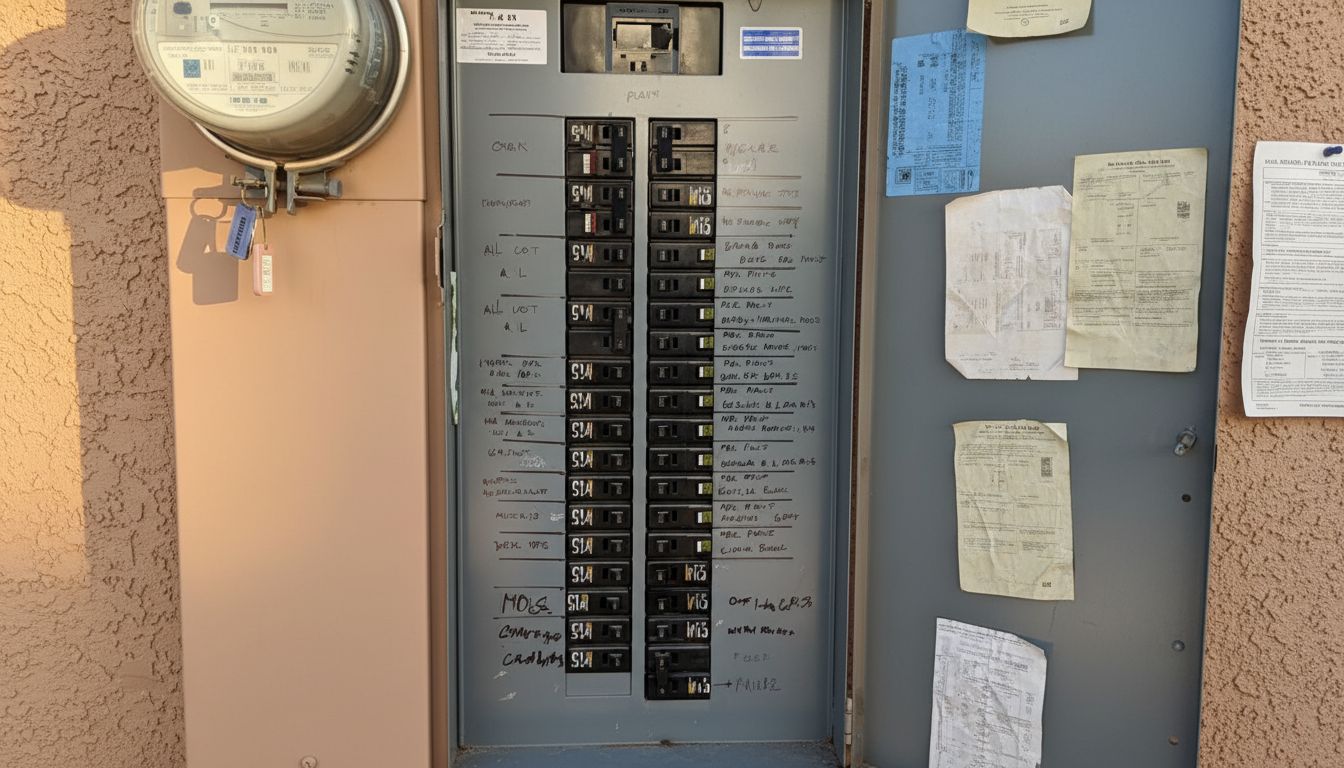
Investigate the electrical panel for tripped breakers or unusual signs like scorch marks, which might suggest a bigger problem. Also, test the dimmer switch to ensure it’s compatible with the installed bulbs. If these steps don’t uncover the cause, it might be time to consult a professional to examine your home’s electrical system comprehensively.
Solutions to fix flickering lights
Fixing flickering lights begins with the simple step of tightening loose bulbs or replacing them if they are defective. For circuits exhibiting overload issues, consider redistributing the electrical load or adding new circuits to accommodate high-demand appliances. Installing a voltage stabilizer can also help manage fluctuations in the power supply.
If faulty wiring is to blame, replacing or repairing the wires is crucial. This task should be performed by a qualified electrician to ensure safety and compliance with electrical codes. For problems with dimmer switches, using compatible bulbs or replacing the switch entirely can solve the flickering.
In cases where the utility service is the problem, contacting your electricity provider could be necessary to address fluctuations at the source. These steps can effectively eliminate the usual suspects causing your lights to blink.
When to call an electrician for flickering lights
While many flickering light issues can be diagnosed and fixed by homeowners, certain situations demand professional intervention. If you suspect faulty wiring or if the flickering persists despite basic troubleshooting, calling an electrician is imperative. Additionally, if flickering is accompanied by burning smells or sparks, immediate professional help is necessary.
An electrician has the expertise to conduct a thorough inspection and identify deeper issues within your electrical system. They can safely perform repairs and upgrades that ensure your home’s electrical integrity. Don’t hesitate to reach out for professional assistance if safety concerns arise or if the problem appears beyond simple fixes.
Bottom line: Flickering lights in the house can indicate underlying electrical problems that shouldn’t be ignored. By understanding the causes and knowing when to call in a professional, you can keep your home safely illuminated and free from electrical hazards.