Cleaning up drywall dust is an essential step in maintaining a spotless home after any construction or renovation project. Understanding how to clean drywall dust efficiently can be the difference between a comfortable, dust-free environment and a dusty, challenging living space. Whether you’re tackling a small repair job or a major renovation, effective drywall dust cleanup strategies are crucial to ensure you and your family breathe easy.
This article will guide you through everything from understanding what drywall dust is to preparing for and executing the cleanup process. Along the way, you’ll learn the best techniques to remove this pervasive dust, discover helpful cleanup tips, and avoid common pitfalls. By the end, you’ll be equipped with the knowledge to tackle drywall dust cleanup like a pro.
Understanding drywall dust
What is drywall dust?
Drywall dust consists of fine particles that are created when drywall is sanded or cut during installation or repair. These tiny particles can easily become airborne, spreading throughout your home.
Why is drywall dust problematic?
The main issue with drywall dust is that it can settle on furniture, floors, and in your HVAC system, leading to ongoing cleaning challenges. Additionally, inhaling drywall dust can be irritating to the respiratory system, making it essential to address it promptly.
Preparation for drywall dust cleanup
Gather necessary tools and materials
Before you begin, gather essential tools such as a high-efficiency particulate air (HEPA) vacuum, microfiber cloths, and mop with a bucket. Having the right materials on hand can streamline the cleanup process.
Safety precautions to consider
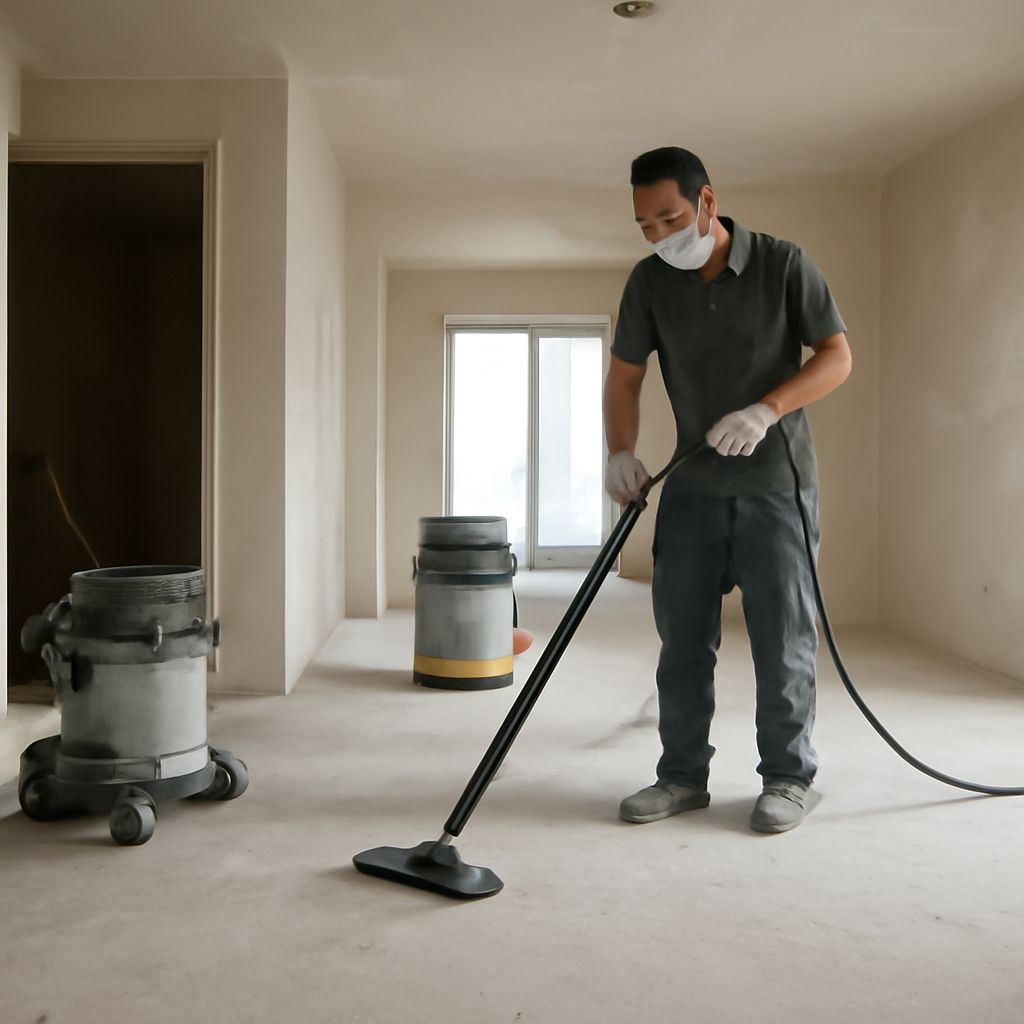
Safety is crucial when dealing with drywall dust. Wear a dust mask or respirator, safety goggles, and gloves to protect yourself from inhaling particles or causing skin irritation. Ensuring proper ventilation in the workspace is also important.
Step-by-step guide to cleaning drywall dust
Initial cleanup techniques
Start by gently sweeping or wiping surfaces to collect the bulk of the dust. Use a lightly dampened cloth to prevent the dust from becoming airborne during this initial phase.
Using a vacuum for drywall dust
Utilize a vacuum equipped with a HEPA filter to capture fine particles more effectively. Vacuum surfaces slowly to ensure you don’t miss any dust, and remember to clean the vacuum filter regularly to maintain suction power.
Wet cleaning methods
After vacuuming, proceed with wet cleaning methods. Use a mop with clean water and a few drops of mild detergent to wipe down floors and walls. Wet cleaning helps capture residual dust particles, ensuring a thorough cleanup.
Post-cleanup tips
Checking for missed spots
Once the main cleaning is complete, inspect areas for any spots that might have been overlooked. Pay attention to corners, baseboards, and behind furniture where dust tends to accumulate.
Maintaining a dust-free environment
To prevent future dust buildup, regularly clean surfaces with a microfiber cloth and vacuum with a HEPA filter. Consider using air purifiers to help reduce airborne particles, contributing to a cleaner environment.
Common mistakes in drywall dust cleaning
Ignoring safety measures
One common mistake is neglecting personal protective equipment such as masks and goggles. Skipping these can lead to health issues over time due to dust inhalation.
Using incorrect tools
Avoid using regular vacuum cleaners, which may not filter fine dust effectively, leading to recirculation in the air. Always opt for a vacuum with a HEPA filter designed for fine particles.
Next steps: To maintain a pristine home environment after drywall work, implement a regular cleaning routine. If you encounter persistent dust issues, consider consulting with a licensed HVAC specialist to address any filtration concerns.