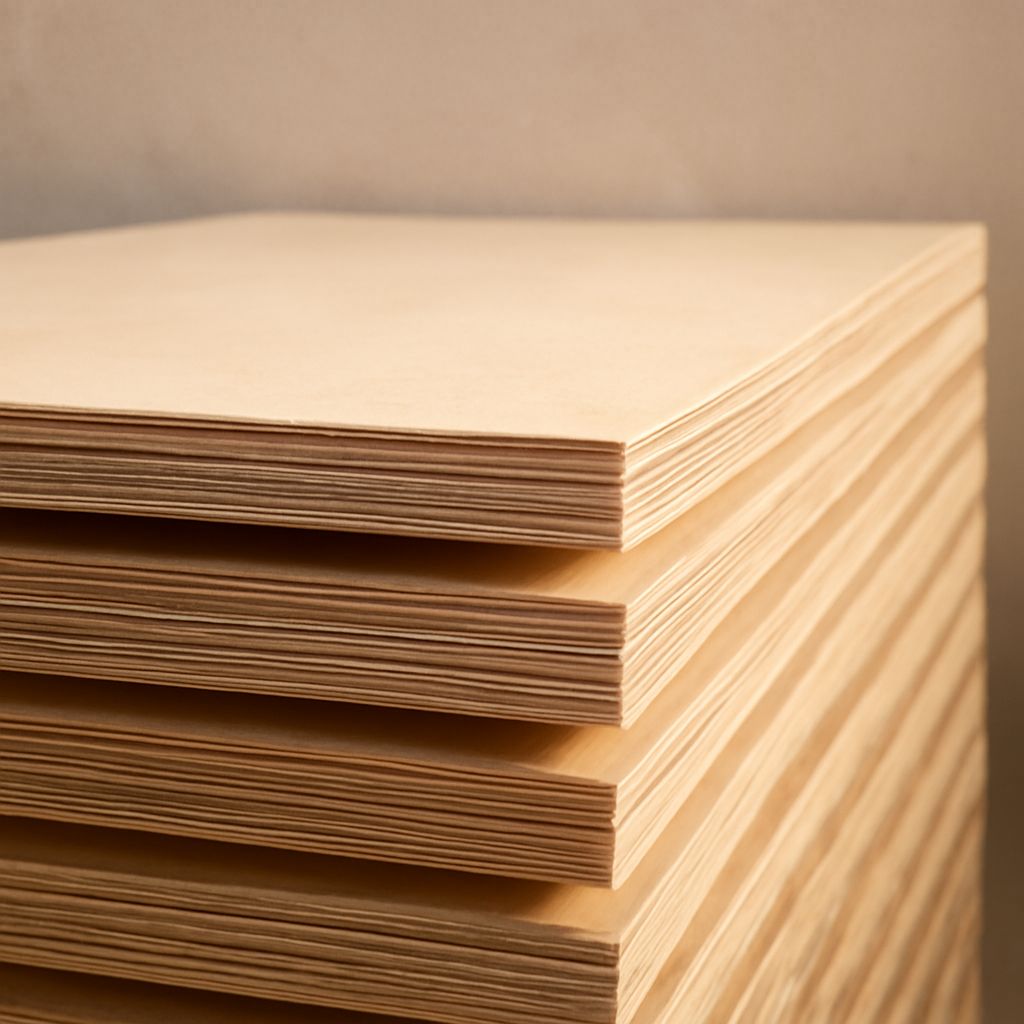
Curious about birch lumber and its place in woodworking? Whether you’re designing furniture, cabinetry, or custom projects, birch stands out for its balance of strength, beauty, and adaptability. This guide unpacks everything you need to know, from the essential birch lumber characteristics to the answer to a key materials question: is birch a hardwood or softwood?
Here, you’ll discover where birch comes from, how to recognize its unique traits, and how it stacks up against other popular woods. You’ll also find practical advice for getting the best results when handling birch, so you can choose the right material for your next creation.
Understanding birch lumber: Origins and features
Birch lumber originates from several species within the Betula genus, commonly found across North America, Europe, and parts of Asia. The most prevalent commercial types include yellow birch (Betula alleghaniensis) and white birch (Betula papyrifera). These trees thrive in temperate forests, yielding straight logs ideal for lumber production. Their relatively rapid growth and sustainable harvesting practices make birch a responsible option for environmentally conscious builders.
One of birch’s defining traits is its pale, creamy sapwood set against a slightly darker heartwood. The grain pattern tends to be fine and even, with subtle waves or occasional figured patterns that contribute visual interest to finished surfaces. Birch’s texture is generally smooth, which, paired with its uniform grain, makes it a favorite for projects requiring crisp finishes and sharp detail.
Density and hardness are moderate compared to other hardwoods, allowing birch lumber to strike a balance between durability and ease of manipulation. Birch’s resistance to splitting during nailing and its ability to take stains and finishes evenly further enhance its appeal for craftspeople seeking consistent, professional results.
When evaluating birch for your woodworking needs, consider its natural versatility. The wood’s light color adapts well to paint, clear sealants, or bold stains, making it suitable for diverse design aesthetics. Its workability and availability have made it a staple for generations of woodworkers and manufacturers alike.
Is birch a hardwood or softwood?
When classifying birch, it’s essential to use scientific criteria rather than simply the tactile feel of the material. Birch is unequivocally categorized as a hardwood. This classification stems from its origin—the tree is an angiosperm, meaning it produces seeds that are enclosed within fruit, a defining trait of hardwood species. This sets it apart from softwoods, which derive from gymnosperms like pines or firs and have exposed seeds.
While “hardwood” often suggests a wood will be tough or heavy, not all hardwoods are harder than every softwood. Birch generally sits mid-range on the Janka hardness scale, being denser and tougher than species like poplar or pine, yet softer than maple or oak. This intermediate ranking means you benefit from a sturdy, wear-resistant timber that doesn’t pose undue difficulty when cutting or sanding.
Understanding birch’s hardwood status helps you predict its behavior in various applications. Expect reliable stability, the ability to hold fasteners firmly, and moderate resistance to everyday impacts. Its cell structure and fiber arrangement also allow it to be machined into thin sheets or veneers without excessive risk of breakage—a key reason for its popularity in plywood manufacturing and detailed joinery.
Recognizing birch as a hardwood also influences how you finish and maintain it. The closed grain structure yields a smooth surface ready for a wide range of stains, paints, and clear coats, allowing you to tailor the final look to your specific needs.
Common uses and advantages of birch lumber
Birch is a go-to material in both professional and DIY woodworking settings thanks to its multifaceted strengths. Furniture makers frequently choose birch for crafting dressers, tables, chairs, and cabinets, capitalizing on its attractive appearance and straightforward working properties. The wood’s natural lightness and ability to mimic costlier species through careful staining give it an edge for designers seeking flexibility.
Another major application is in the production of birch plywood. By layering thin birch veneers crosswise, manufacturers create panels with remarkable dimensional stability and consistent performance. These sheets are staples in cabinetry, shelving, drawer construction, and architectural millwork, offering dependability where structural integrity is paramount.
Birch’s advantages extend to its adaptability for turned objects, decorative trim, and even children’s toys. Its low resin content means adhesives bond well, while the wood’s fine, uniform texture enables crisp edge profiling. If you’re building musical instruments, model frameworks, or intricate inlays, birch’s predictability and smooth machining make it a reliable candidate.
Choosing birch also rewards you with sustainable sourcing options. Rapid regeneration rates and managed forestry practices help maintain healthy ecosystems, so you can select birch knowing you’re supporting responsible material cycles.
Comparing birch lumber to other wood types
As you weigh birch against other timbers, several considerations emerge. Compared to maple, birch is lighter in both color and weight, and is often easier to sand or carve. Unlike oak, which features prominent open pores and pronounced rays, birch offers a more understated grain, ideal for projects where subtlety is desired. Ash, while similar in hardness, tends to have more dramatic grain patterns and is slightly more elastic than birch.
Pine, a typical softwood rival, is much softer than birch, making it less resilient to dents and scratches. However, pine’s lower cost and widespread availability can be advantageous for temporary or budget builds. Cherry, though more expensive, brings deeper hues and richer natural luster, but birch can be stained to approximate this luxurious appearance at a fraction of the price.
When evaluating wood for cabinetry, millwork, or fine joinery, birch’s moderate density and straightforward finishing characteristics often tip the scale in its favor. For painted projects, its grain is less likely to telegraph through the finish, a significant advantage in modern minimalist interiors.
Still, you should assess your project’s specific requirements—load-bearing needs, environmental conditions, and aesthetic considerations—to make the optimal choice. For complex color matching or restoration work, especially where matching aged or exotic woods, consult a licensed stylist or wood finishing expert.
Tips for working with birch lumber
To get the most from birch, start by acclimating the wood to your workshop’s humidity before cutting or assembling. This helps prevent warping and ensures tight, long-lasting joints. When sawing or routing, use sharp blades and bits, as birch’s close grain can burn or tear out if tools are dull or feed rates are too aggressive.
Sanding birch requires attention to grits; begin with a medium grade, then work up to a fine finish. This reduces the risk of visible scratches. If you’re planning to stain, apply a pre-stain conditioner to mitigate blotchiness, as birch’s density can lead to uneven color absorption. Experiment on scraps to dial in your preferred finish.
Birch glues well with common wood adhesives, and accepts screws and nails without excessive splitting. However, always pre-drill pilot holes for hardware, especially near board ends. For edge joining or panel glue-ups, clamps distribute pressure evenly and help prevent shifting as adhesives cure.
Remember, while birch is accessible and forgiving, extensive color matching, advanced repair, or severe refinishing work may be best left to certified professionals or experienced stylists to avoid costly mistakes.