Encountering a sewage smell in your bathroom can be quite unsettling. The odor often suggests underlying plumbing issues that need immediate attention. If your bathroom smells like sewage, it’s essential to identify the root cause and address it effectively. Whether it’s your toilet that smells like sewer or a pervasive sewer smell throughout the space, understanding the reasons behind it can guide you toward the right solutions. This article delves into the possible causes and remedies to eliminate that unpleasant sewer smell from your toilet and bathroom.
Understanding why your bathroom smells like sewage
Sewage smells in the bathroom often arise from a disruption in the plumbing system. This odor is typically caused by the accumulation of gases such as hydrogen sulfide, which have a distinct rotten egg smell. These gases can seep into your bathroom due to various plumbing issues, leading to an environment that’s not only unpleasant but also unhealthy.
The design of your bathroom plumbing is meant to prevent these gases from entering your living space. However, when this system fails, the bathroom can end up smelling like sewage. Recognizing this problem early can prevent more severe plumbing failures down the line.
Identifying the source of the sewage smell
Pinpointing the source of the sewer smell is crucial. Start by checking the obvious spots: the toilet, shower drain, and sink. Each of these fixtures can be the origin of the odor. A malfunctioning toilet that smells like sewer could indicate a broken seal or a dry P-trap. Alternatively, a blocked drain could be allowing gases to escape into the room.
Assessing each part of the plumbing system helps in diagnosing the precise issue. Sometimes, the problem might be hidden within the walls or under the floor, making it more challenging to detect without professional tools and expertise.
Common causes of sewer smell from toilet
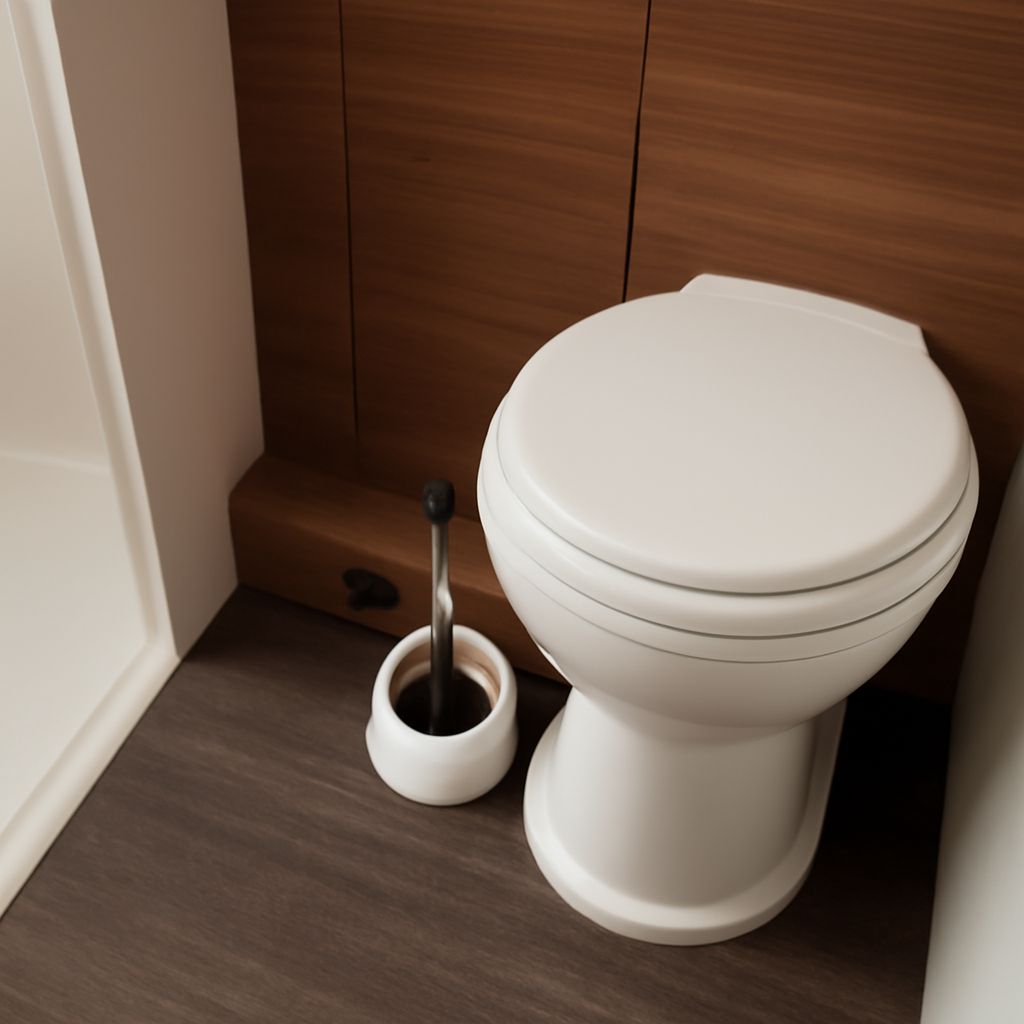
Several factors can cause a toilet to emit a sewer smell. A damaged wax ring, which seals the toilet to the floor, can allow gases to leak into the bathroom. Additionally, a dry P-trap, which usually holds water to block sewer gases, might not function correctly if the bathroom hasn’t been used for a while.
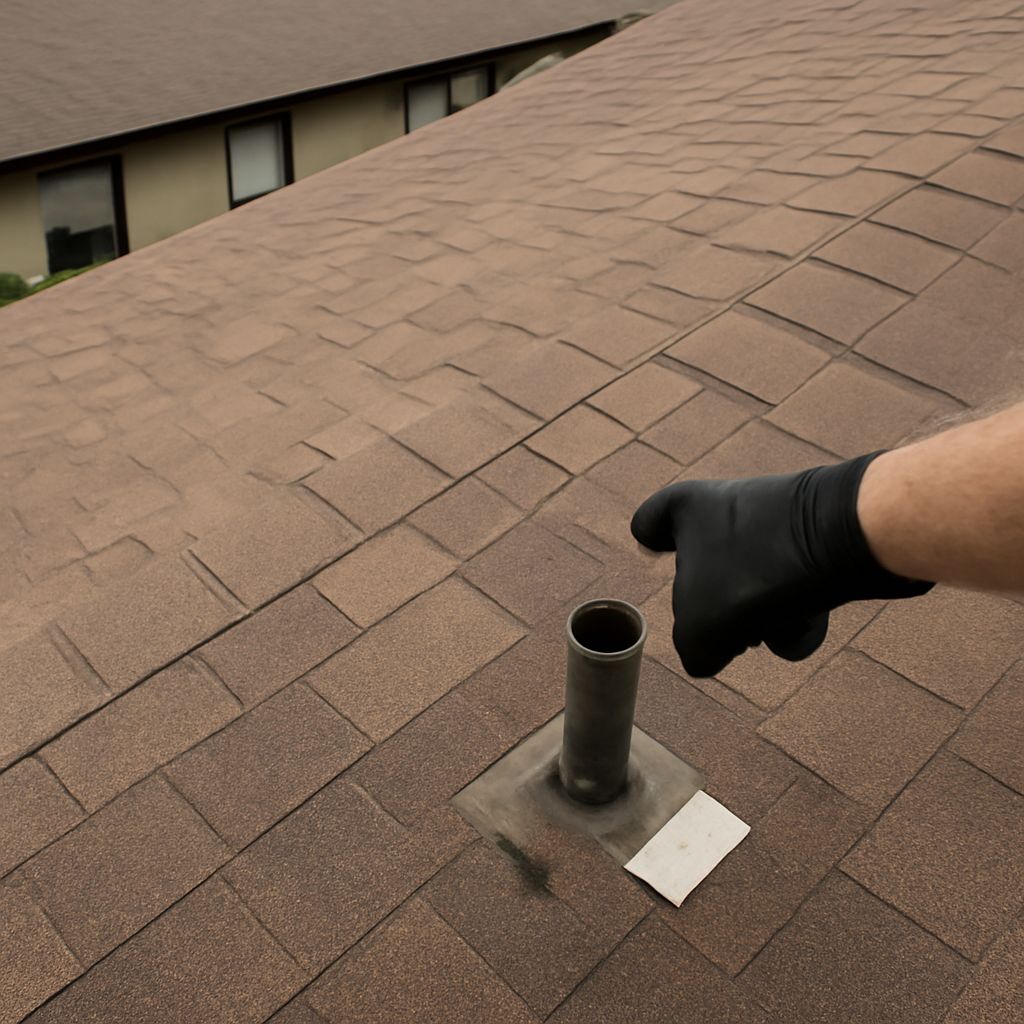
Ventilation issues can also lead to sewer odors. If the vent pipes are clogged or improperly installed, they can prevent the plumbing system from expelling gases efficiently. This situation often results in the bathroom smelling like sewage. Furthermore, cracks or leaks in the sewer line can introduce foul smells into your home.
DIY fixes for sewage smell in bathroom
There are several DIY solutions you can attempt to eliminate the sewage smell from your bathroom. Pouring water down seldom-used drains can refill dry P-traps, effectively sealing out sewer gases. Additionally, ensure that the toilet’s wax ring is intact and replace it if you notice any signs of damage.
For a more natural approach, baking soda and vinegar can be used to clean and deodorize drains. Pour a cup of baking soda followed by a cup of vinegar down the drain to break down any clogs and eliminate odors. Make sure to flush the system with hot water afterward.
Improving bathroom ventilation can also help. Ensure that exhaust fans are working correctly or consider installing new ones to enhance air circulation and eliminate odors more effectively.
When to call a professional plumber
While DIY methods can be effective, there are times when it’s best to consult a professional plumber. Significant plumbing issues, such as those involving the main sewer line or persistent odors that do not resolve with simple fixes, warrant expert intervention.
If you suspect that the sewage smell is due to complex problems like venting issues or systemic failures in the plumbing, a licensed plumber will have the tools and knowledge needed to diagnose and repair these problems safely. Additionally, if you encounter severe structural damage or need extensive repair work, professional assistance is crucial.
For situations involving complex color correction or severe damage repair, always consult a licensed stylist or a plumber to ensure accurate and safe handling.
Pro tips recap: To address a sewage smell in your bathroom, identify and fix common issues like dry P-traps, damaged wax rings, and poor ventilation. Test DIY solutions but don’t hesitate to call a professional plumber for persistent or serious issues. Proper maintenance and timely intervention can keep your bathroom odor-free and pleasant.