Knowing how to tell if a circuit breaker is bad is a practical diagnostic skill that saves you from unnecessary electrician calls for simple resets and helps you catch genuine safety problems before they become dangerous. A bad circuit breaker is not always obvious, since the symptoms overlap with normal tripping behavior. This guide covers the key bad circuit breaker symptoms to look for, how to distinguish a failing breaker from a circuit with a real fault, and what to do about circuit breaker outlet problems that trace back to the panel rather than the outlet itself. You’ll also learn the specific weak circuit breaker symptoms that signal a breaker is failing gradually rather than completely.
Every homeowner should be able to run through this basic diagnostic before calling for service on a bad circuit breaker, since the most common fix, a simple reset, takes 30 seconds.
Normal Tripping vs. Breaker Failure
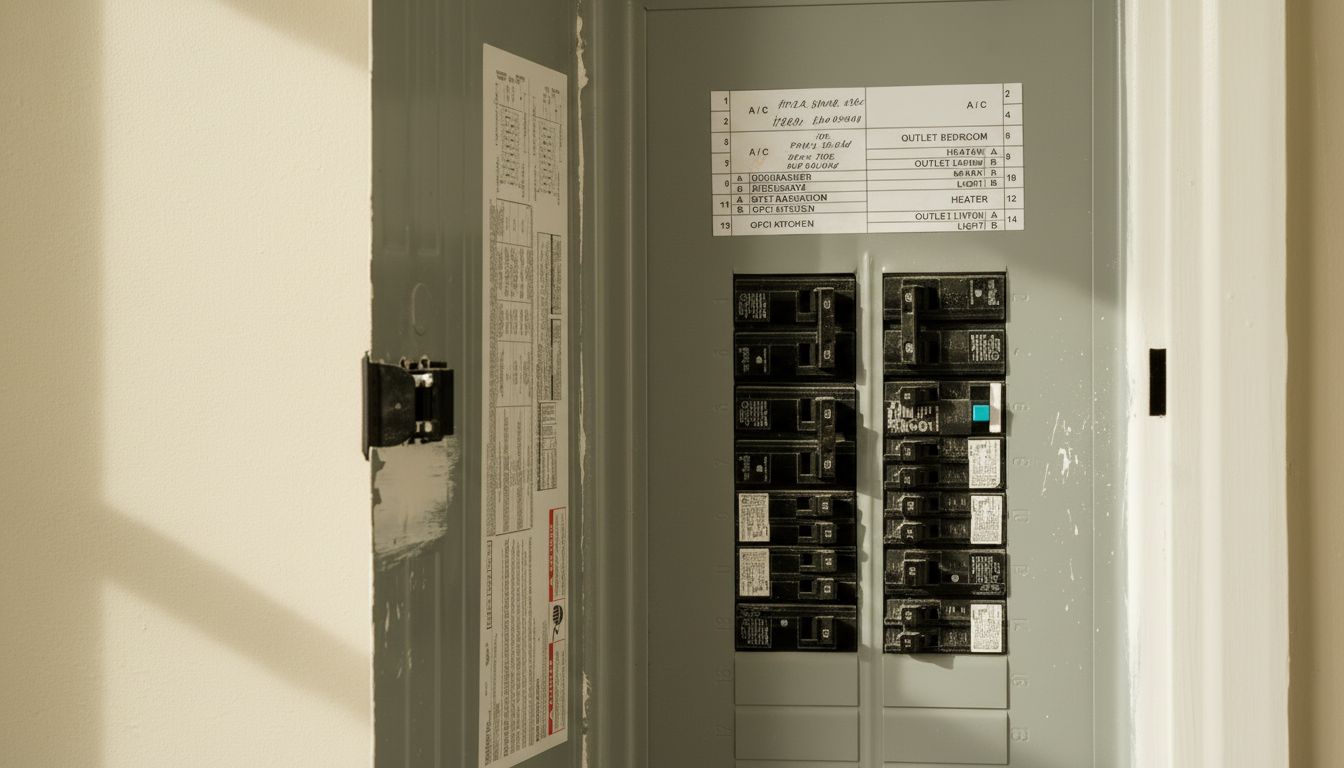
What a Normal Trip Looks Like A circuit breaker trips by design when a circuit draws more current than it’s rated for, when a short circuit occurs, or when a ground fault triggers a GFCI breaker. This is the protection function working correctly. After a normal trip, the breaker sits in the middle position, neither fully ON nor fully OFF. Pushing it fully to OFF and then back to ON resets it. If the breaker stays reset and doesn’t trip again without a load, there was likely a temporary overload.
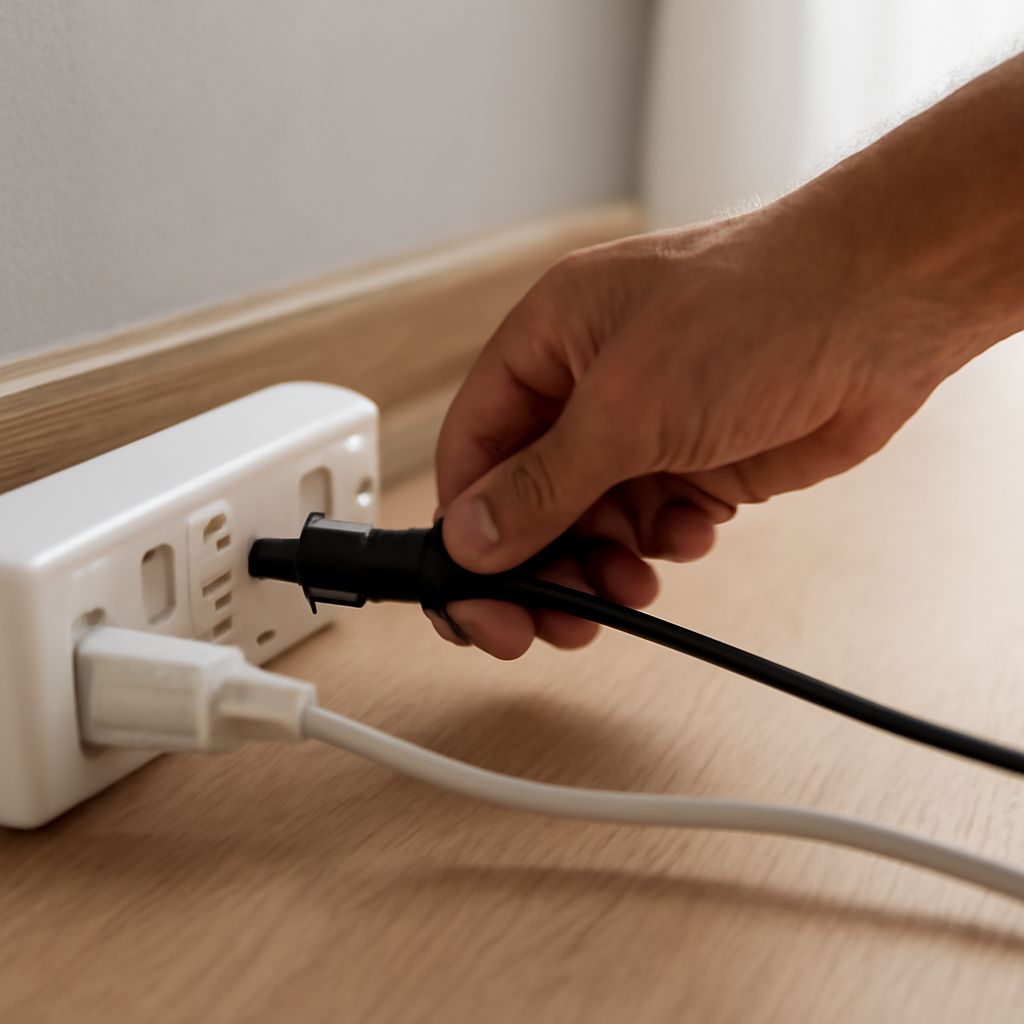
If the breaker trips again immediately when you reset it, you have either a persistent fault on the circuit or a bad circuit breaker. Testing which it is requires unplugging everything from the circuit and then resetting. A breaker that resets with nothing connected but trips again under normal load points to an overloaded circuit. A breaker that trips with nothing connected is failing and needs replacement.
Bad Circuit Breaker Symptoms to Watch For
The clearest bad circuit breaker symptoms include: the breaker won’t stay in the ON position, it trips repeatedly at loads well below its rating, the breaker handle feels loose or doesn’t click firmly between positions, there’s a burning smell at the panel, or there are visible scorch marks on the breaker body. Any of these symptoms means the breaker is failing and should be replaced by a licensed electrician.
Weak circuit breaker symptoms are subtler and develop over time. Lights that dim when an appliance on the same circuit kicks on can indicate a breaker that’s not making good contact. Circuit breaker outlet problems like intermittent power or outlets that work sometimes and not others may trace back to a failing breaker rather than the outlet itself. Testing the outlet with a plug-in tester while someone resets the breaker can help isolate whether the fault is at the breaker or the outlet.
How to Tell If a Circuit Breaker Is Bad: Practical Tests
The Reset Test Start with the reset test. Turn off or unplug everything on the affected circuit. At the panel, push the tripped breaker fully to OFF, then firmly to ON. If it won’t stay in ON position, the breaker is bad. If it resets, add devices back to the circuit one at a time. If a specific device trips the breaker, that device has a fault. If no device trips it but it trips later under normal load, the circuit may be overloaded and needs additional capacity.
Testing for Voltage at the Breaker
A non-contact voltage tester or a multimeter can confirm whether power is reaching the outlets on the affected circuit. If the breaker shows ON but outlets on the circuit read no voltage, the breaker is not making contact internally and is failing. This is one of the definitive ways to confirm a bad circuit breaker without any special equipment beyond a $15 non-contact tester.
Circuit Breaker Outlet Problems: Isolating the Source
Not every circuit breaker outlet problem comes from the breaker. Outlets can fail independently, wires can come loose at the outlet, and GFCI outlets downstream of a tripped GFCI will lose power even if the outlet itself is fine. Before concluding you have a bad breaker based on an outlet problem, test the other outlets on the circuit. If some outlets work and others don’t, the problem is likely a loose connection or failed outlet mid-circuit, not the breaker. If all outlets on the circuit are dead with the breaker in ON position, the breaker itself is the likely culprit.
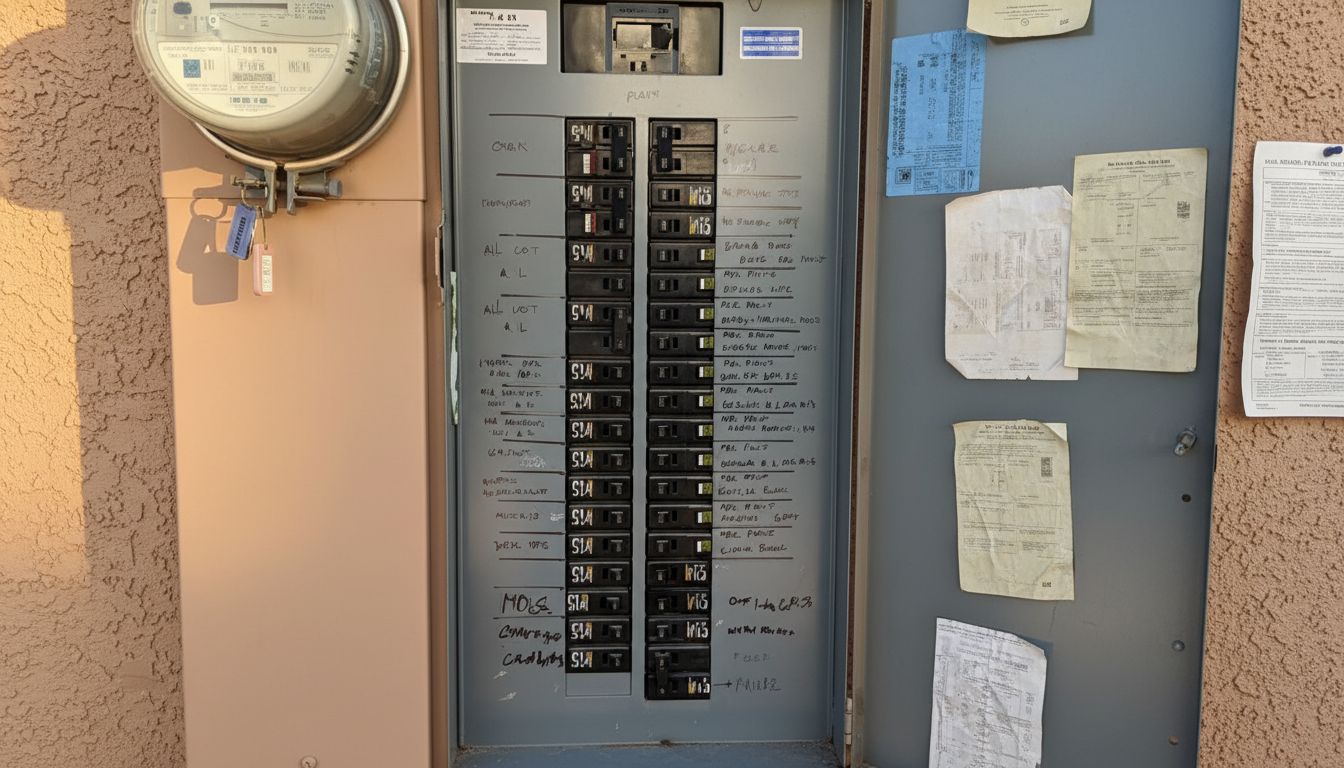
Next steps: Run the reset test first on any tripped breaker before calling an electrician. Identify whether the trip was from an overload, a device fault, or breaker failure using the sequence above. If you confirm bad circuit breaker symptoms such as failure to stay reset, burning smell, or visible scorching, call a licensed electrician. Panel work, including breaker replacement, requires working inside the live panel, which carries serious shock risk without proper training and equipment.