Experiencing shingles during pregnancy can be a daunting prospect for any expecting mother. Understanding the intricacies of shingles, its potential risks, and how it can affect both you and your unborn child is crucial. In this article, we will delve into the causes of shingles, explore the symptoms you might encounter, and discuss effective management strategies to navigate pregnancy and shingles. By the end, you will have a clear understanding of preventive measures to ensure a safe and healthy pregnancy while minimizing the risk of shingles.
Understanding shingles and its causes
What is shingles?
Shingles, medically referred to as herpes zoster, is a viral infection that results in a painful rash. It occurs when the varicella-zoster virus, which also causes chickenpox, is reactivated in nerve tissues. After you have chickenpox, the virus remains dormant in your body and can reactivate years later, leading to shingles.
How shingles are contracted
Shingles is not directly contagious, but the varicella-zoster virus can spread from person to person. If you have shingles, you could potentially transmit the virus to someone who has not had chickenpox or been vaccinated, causing them to develop chickenpox. The virus typically spreads through direct contact with the fluid from the rash blisters.
Risks of shingles while pregnant
Potential complications for the mother
While shingles itself may not greatly impact pregnancy, the stress and discomfort it causes can be significant. Pregnant women experiencing shingles have the added challenge of managing the infection with limited treatment options due to pregnancy constraints.
Impact on the unborn child
The varicella-zoster virus rarely causes harm to the unborn child, but early pregnancy shingles can potentially lead to complications. In the unlikely case of developing shingles before the 20th week of gestation, it is advisable to consult your healthcare provider for a thorough assessment to mitigate any potential risks.
Symptoms of shingles during pregnancy
Common signs to watch for
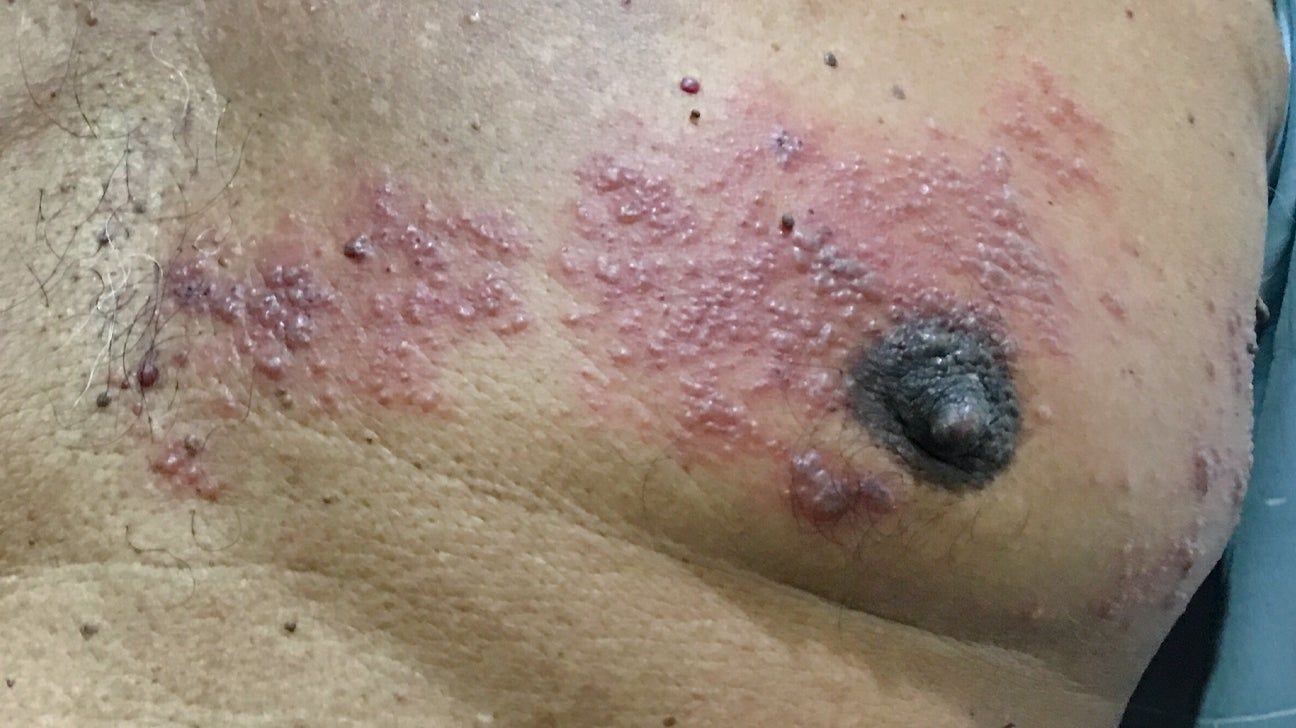
Typical signs of shingles include a tingling or painful sensation on one side of the body, followed by the emergence of a red rash. The rash may develop into blisters that are itchy and painful. Other symptoms such as fever, headache, or fatigue can accompany the rash, adding to your discomfort.
When to seek medical advice
If you suspect you have shingles during pregnancy, promptly seeking guidance from your healthcare provider is essential. Early diagnosis can lead to more effective management of the condition, reducing the duration and severity of symptoms.
Managing shingles in pregnancy safely
Treatment options available
Managing shingles while pregnant requires careful consideration of both the health of the mother and the unborn child. Antiviral medications, such as acyclovir, may be prescribed to reduce the severity and duration of symptoms. However, only a healthcare provider can determine the appropriate course of action.
Preventive measures for shingles pregnancy
Taking preventive measures can significantly reduce the chances of developing shingles during pregnancy. Maintaining a healthy immune system through a balanced diet, adequate rest, and stress management can be beneficial. Additionally, avoiding contact with individuals who have active shingles or chickenpox is prudent.
Preventive measures for shingles pregnancy
Vaccination before pregnancy
If you are planning a pregnancy, consider discussing the shingles vaccine with your doctor beforehand. The vaccine can significantly lower your risk of developing shingles. However, it is not recommended during pregnancy, so timing the vaccination before conception is ideal.
Lifestyle tips to minimize risk
To further reduce the risk of shingles during pregnancy, focus on strengthening your overall health. Regular exercise, a nutrient-rich diet, and adequate sleep can bolster your immune system. Stress reduction techniques, such as yoga or meditation, can also be effective in minimizing the risk of reactivating the virus.
Key takeaways: Shingles during pregnancy requires careful management and attention to both maternal and fetal health. Understanding the signs, potential risks, and preventive strategies can empower you to navigate this challenging situation confidently. Always consult your healthcare provider for personalized advice and treatment options.