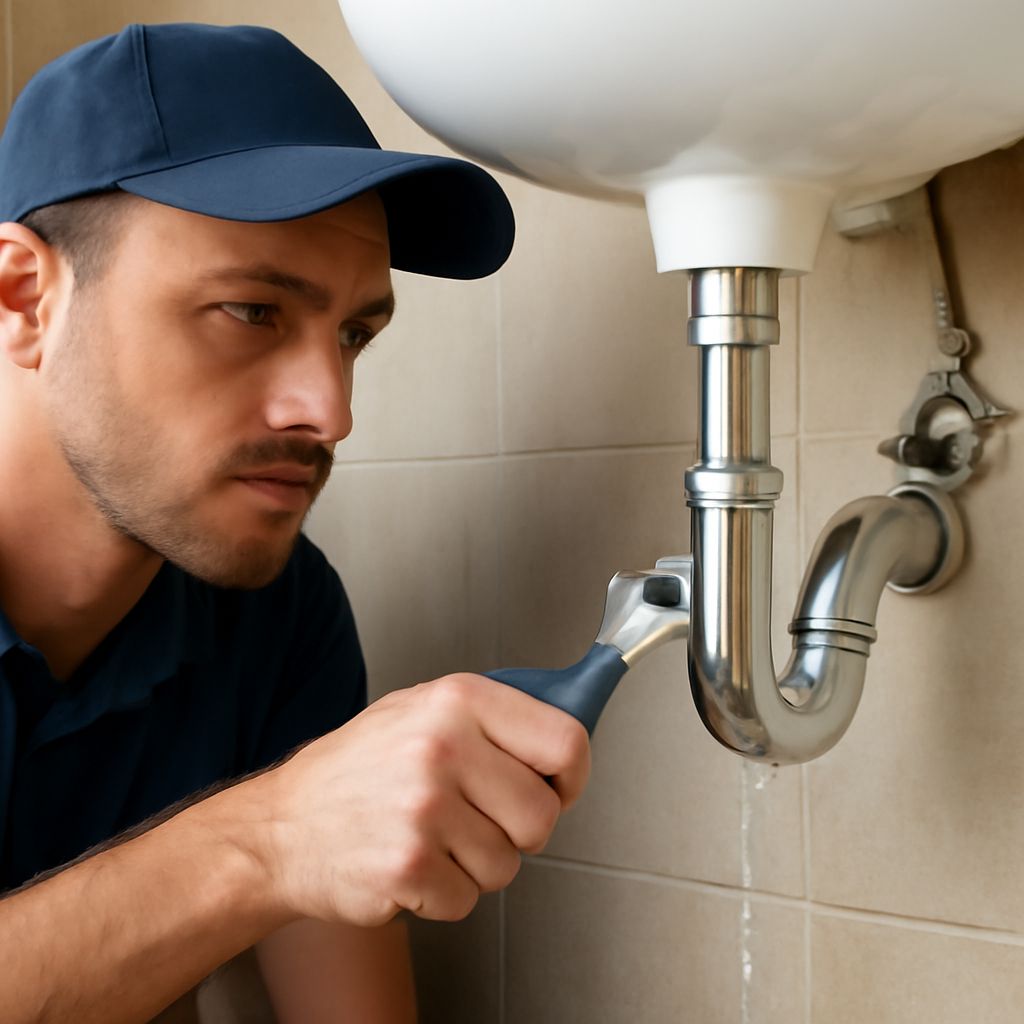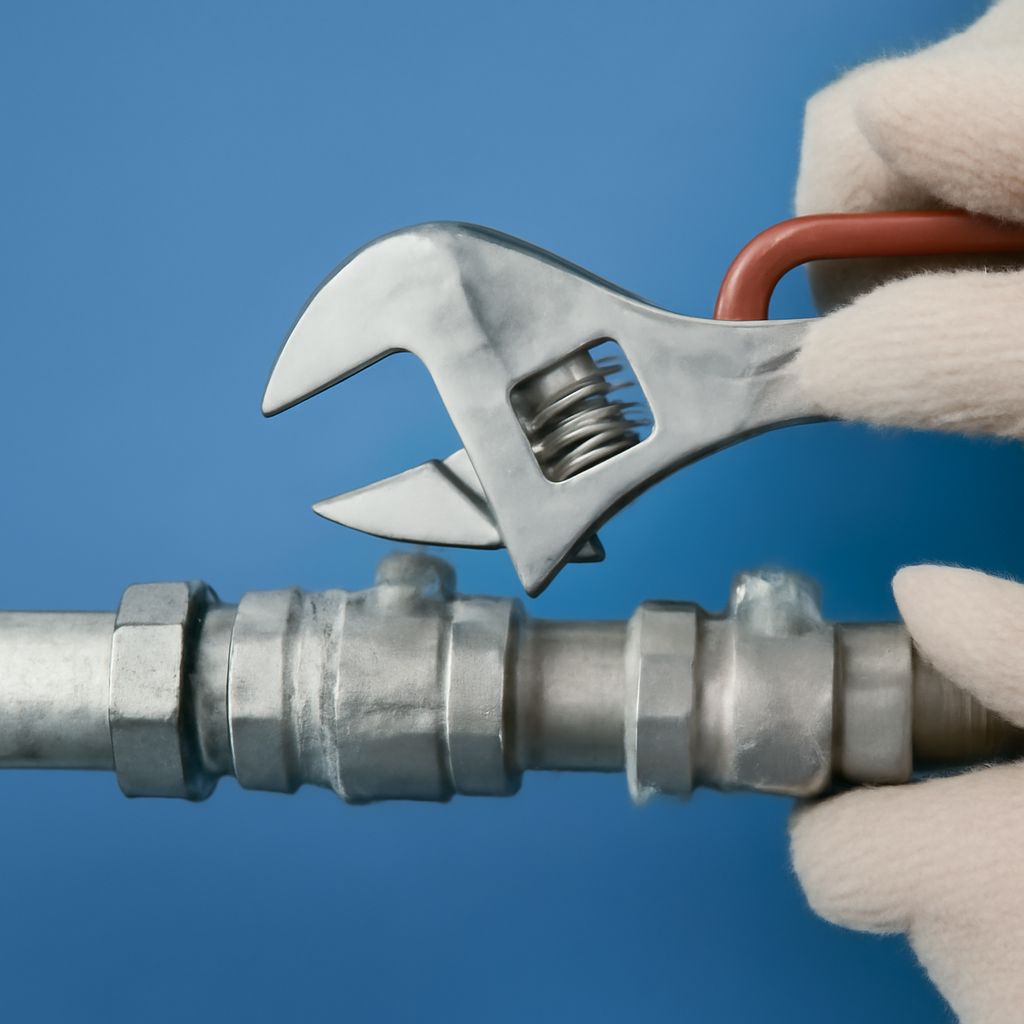
Understanding your home drain system — including where the plumbing cleanout is located and what condition your supply pipes are in — is essential knowledge for any homeowner. Older homes frequently have galvanized plumbing that has been slowly corroding for decades, quietly reducing water pressure and building up rust sediment. Knowing what plumbing issues to watch for puts you ahead of emergencies.
This guide covers cleanout access and when to use it, how to evaluate aging vintage plumbing systems, what symptoms indicate serious problems, and practical plumbing troubleshooting steps you can take before calling a licensed plumber.
What Is a Plumbing Cleanout and When Do You Need It
Locating your cleanout access point A plumbing cleanout is a capped pipe fitting that provides direct access to your drain line so a plumber can snake or jet the line without removing fixtures. Most homes have at least one main cleanout — typically a 4-inch or 6-inch white or black ABS/PVC cap located at the base of the main stack inside the home, or a similar fitting located at grade level outside the home near the foundation. Older homes with cast iron drain systems often have cleanout plugs with square nuts rather than the modern threaded cap style.
Finding your cleanout before you need it is smart preparation. Trace your main soil stack to where it exits through the foundation or descends to the crawl space. Your cleanout access point will be within a few feet of that transition.
When to call a plumber for cleanout service
Opening the cleanout yourself for inspection is reasonable, but drain snaking and hydro-jetting require professional equipment and training. Call a licensed plumber when multiple fixtures drain slowly simultaneously, sewage odors are present at floor drains or in the yard above the sewer line, or a drain snake has failed to clear a blockage within 30 to 40 feet of the cleanout.
Galvanized Plumbing: Signs of Trouble and Replacement Options
Galvanized plumbing — steel pipe coated with zinc to resist corrosion — was the standard supply pipe material in homes built from the 1880s through the 1960s. The zinc coating eventually breaks down, exposing the steel core to rust. As corrosion progresses, the interior diameter of galvanized supply pipes narrows dramatically — a 3/4-inch pipe can restrict to as little as 1/4-inch effective opening after 50 to 60 years of corrosion, devastating water pressure.
Warning signs that your galvanized supply lines are failing include rust-colored water especially after the water has not run for several hours, low pressure at fixtures while neighboring fixtures have adequate flow, visible rust staining on fixture surfaces, and frequent pinhole leaks at threaded joints. If your home has galvanized water supply pipes and is more than 40 years old, a licensed plumber inspection is worthwhile. Replacement with copper or PEX provides a 50-plus year service life and restores full flow pressure.
Common Plumbing Issues and How to Diagnose Them
The most frequent plumbing issues in residential homes follow predictable patterns:
- Slow single drain: Usually a local clog — hair, soap, or food debris in the trap. Remove and clean the trap first.
- Low pressure at one fixture: Aerator clogged with sediment or shutoff valve not fully open.
- Low pressure throughout the home: Main shutoff partially closed, pressure regulator failing, or severely corroded galvanized supply lines.
- Running toilet: Flapper seal worn or float set too high — straightforward DIY repairs with $10 to $20 in parts.
- Water heater producing rusty water: Sacrificial anode rod depleted — replace it to extend water heater life significantly.
Vintage Plumbing Systems: Plumbing Troubleshooting for Older Homes
Troubleshooting vintage plumbing requires respect for the quirks of older systems. Cast iron drain pipes in good condition can last 100-plus years, but joints packed with lead and oakum may begin to weep. Copper supply pipes from the 1950s through 1970s are generally still in excellent condition unless your water has low pH, which attacks copper and leaves blue-green staining on fixtures.
Effective plumbing troubleshooting in older homes starts by mapping your system — knowing where shutoffs are, what material the pipes are made from, and which fixtures share drain lines. Photograph your cleanout location, main shutoff valve, and water heater so you can act quickly in an emergency. If your vintage plumbing includes lead pipes, replacement is a health priority regardless of apparent function.
Safety recap: Working around lead pipes requires disposable gloves and care to avoid ingesting dust or debris. Never use an open flame near galvanized or older plastic drain lines when soldering copper nearby. When in doubt about pipe material identification or the scope of a drain blockage, a licensed plumber inspection is the safest and most cost-effective starting point.