Roll Insulation: Types, R-Values, and Buying Guide
Roll insulation is the most widely available type of insulation for residential projects, sold at every home improvement store in a range of widths, thicknesses, and R-values. Whether you’re shopping for a standard insulation roll for a wall project, comparing fiberglass insulation roll options by performance, looking for rolled insulation for an attic upgrade, or trying to find discount insulation rolls to stay on budget, this guide helps you buy the right product and use it correctly.
The format is simple — pre-cut batts or continuous rolls that you cut to length — but choosing the wrong R-value, facing, or width for the application wastes money and underperforms. Read through before you load up a cart.
Types of Roll Insulation Available
Most roll insulation falls into two material categories:
Fiberglass insulation roll products are by far the most common. Fiberglass batting comes faced (with kraft paper or foil vapor retarder) or unfaced, in standard widths for 16-inch and 24-inch stud and joist spacing. It’s affordable, widely stocked, and installs without special equipment. An insulation roll in the R-13 or R-15 range handles standard 2×4 exterior walls; R-19 or R-21 fits 2×6 framing.
Mineral wool rolled insulation (rock wool or slag wool) costs 15-30% more than comparable fiberglass products but offers better fire resistance, superior acoustic performance, and better moisture handling. It’s denser and stiffer than fiberglass, which makes it self-supporting in wall cavities without stapling. For interior partition walls where sound control matters, or for garage walls adjacent to living spaces with fire concerns, mineral wool justifies the premium over a standard fiberglass insulation roll.
R-Value Guide for Roll Insulation by Application
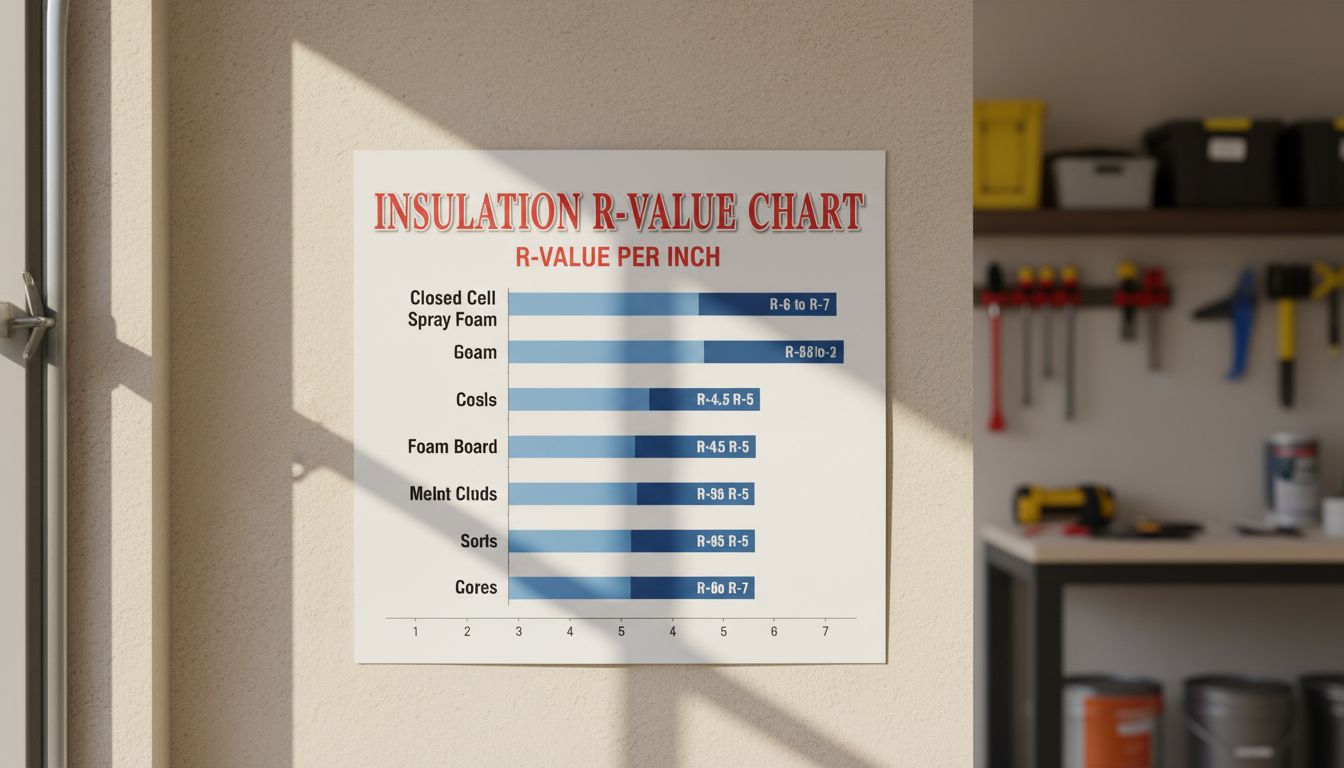
Every roll of rolled insulation carries an R-value label. Match the R-value to the application and your climate zone:
- 2×4 exterior wall (3.5″ cavity): R-13 or R-15 insulation roll
- 2×6 exterior wall (5.5″ cavity): R-19 or R-21 insulation roll
- Attic floor (between joists): R-30 to R-60 rolled insulation depending on climate zone
- Crawl space floor joists: R-13 to R-19 fiberglass insulation roll, facing down
- Basement rim joists: Cut pieces of roll insulation to fit, R-15 or R-19
The Department of Energy’s ZIP code lookup tool gives recommended R-values by climate zone. If you’re in Climate Zone 6 or 7 (cold northern states), the recommended attic R-value is R-49 to R-60 — you’ll need two layers of rolled insulation to reach that, installed perpendicular to one another.
Finding Discount Insulation Rolls Without Sacrificing Performance
Discount insulation rolls are available at big-box stores during seasonal sales (typically fall and spring), through contractor accounts, and when buying in pallet quantities. A few strategies that work:
- Buy in bulk: Most stores discount insulation significantly when you buy 20+ bags or rolls at once. Ask the contractor desk, not the retail floor.
- Watch for rebates: Many utility companies offer rebates on insulation purchases. The rebate program often requires specific R-values (R-30 minimum for attics, for example). Check before buying a lower R-value product that doesn’t qualify.
- Unfaced vs. faced: Unfaced fiberglass insulation roll products cost slightly less than faced. If you don’t need the vapor retarder function (interior walls, second-layer attic runs), buying unfaced insulation rolls is a legitimate way to reduce cost.
- Compare total coverage, not price per bag: A discount insulation roll that covers 40 sq ft per bag vs. a regular-price roll that covers 75 sq ft per bag isn’t a bargain even if the sticker price is lower. Price per square foot is the right comparison unit.
Installing Roll Insulation Correctly
Correct installation matters as much as correct R-value selection. Key points:
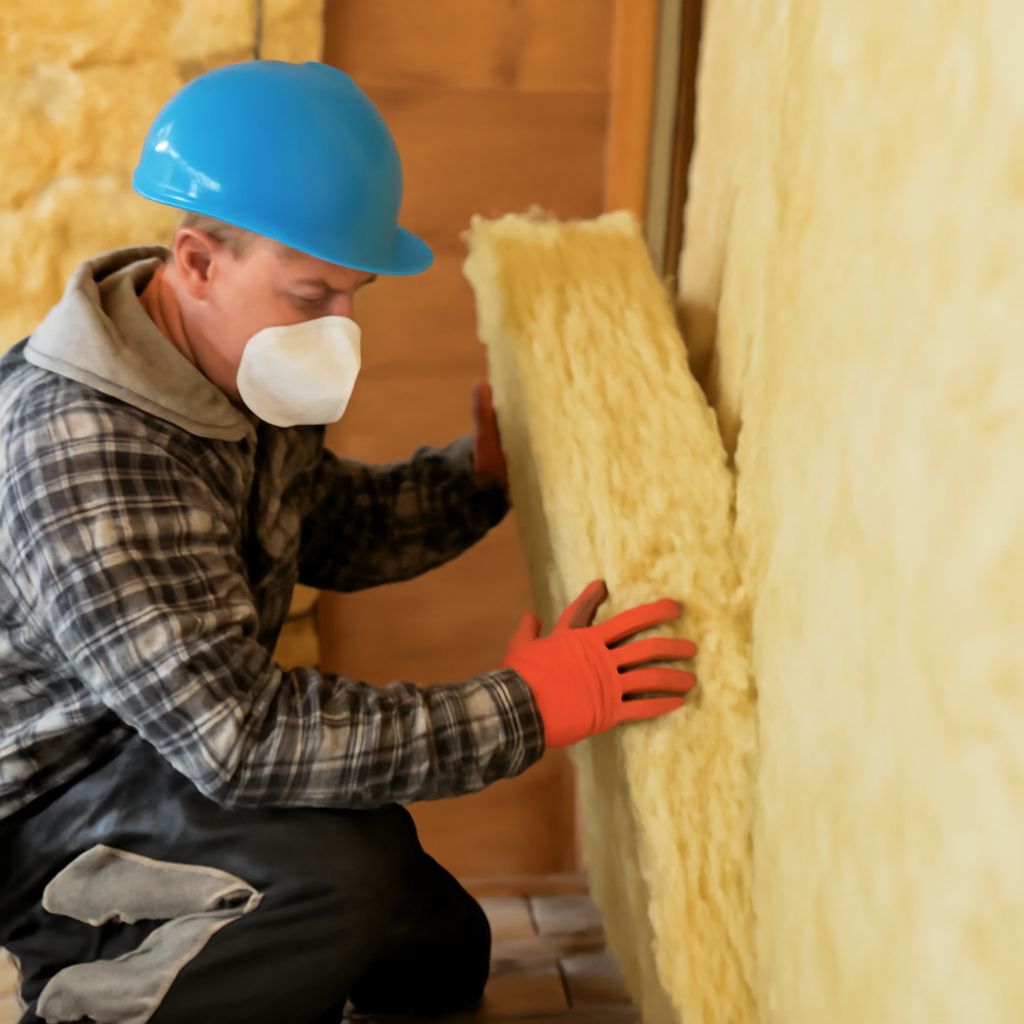
- Wear long sleeves, gloves, and an N95 respirator — fiberglass fibers are irritating to skin and lungs
- Cut rolled insulation with a utility knife and straightedge, not scissors
- Fill cavities completely — don’t leave gaps, voids, or compressed sections
- For faced products, staple the flanges to stud faces (face stapling) or into the stud edge (inset stapling) — don’t leave the flange loose
- Never compress a fiberglass insulation roll to fit a thinner cavity — compression reduces effective R-value significantly
- For attic work, don’t block soffit vents with rolled insulation — use baffles to maintain the ventilation channel
Next steps: Measure your stud spacing and cavity depth before going to the store. Look up your climate zone’s recommended R-values. And if you’re buying for an attic project, ask your utility company about insulation rebates before you purchase — the paperwork takes ten minutes and the savings can be significant.