Plumbing P Trap: Essential Guide to Plumbing Trap Types
Understanding the intricacies of plumbing trap types is crucial for maintaining an efficient and effective plumbing system. Whether you’re familiarizing yourself with the ever-popular plumbing p trap or trying to comprehend the nuances of plumbing s traps, each plays a pivotal role in your plumbing setup. While s trap plumbing setups are commonplace in many homes, there’s a variety of configurations to choose from, each catering to specific needs. This guide will also help you navigate the differences and determine the most suitable types of plumbing traps for your system.
Understanding the basics of plumbing traps
What is a plumbing p trap?
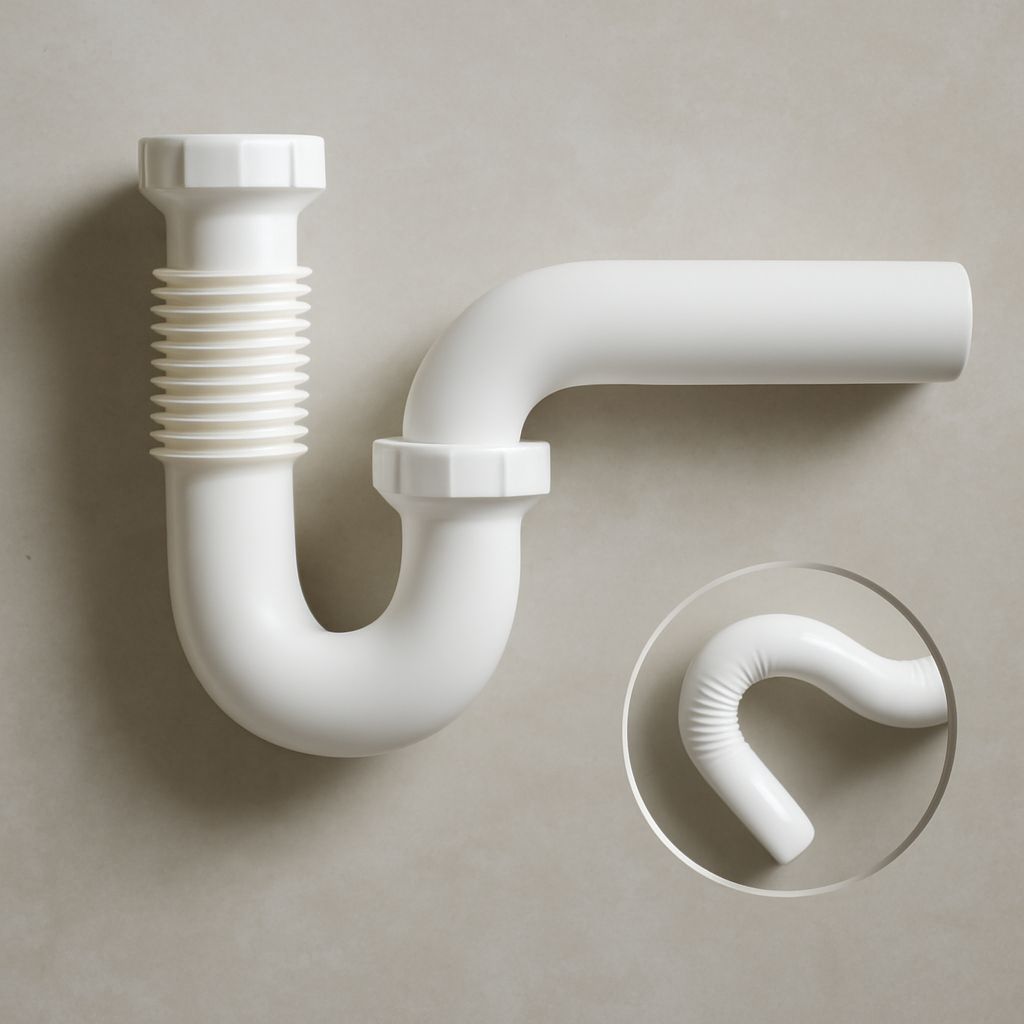
A plumbing p trap is a curved section of pipe that prevents sewage gases from entering your home. This essential component of your plumbing system maintains a water seal to block unpleasant odors. The p trap’s distinct shape, resembling the letter ‘P’, allows it to effectively trap water and create a barrier.
Common uses for plumbing s trap
Plumbing s traps are frequently used in older homes. Their design is similar to the p trap, but they feature an additional curve, forming an ‘S’ shape. This design allows for easy installation in limited spaces where venting options might be restricted. Despite their commonality, s traps are often critiqued for siphoning issues, where the water seal can be lost, leading to the potential for sewer gases to escape.
Comparing plumbing p traps and s traps
Key differences between p trap and s trap plumbing
The primary distinction between p traps and s traps lies in their shape and functionality. While both serve the purpose of blocking sewer gases, the p trap’s configuration is more reliable in maintaining the water seal due to its horizontal extension. On the other hand, the s trap can suffer from siphonage, which can cause the water barrier to dry out.
When to use each type
Choosing between a p trap and an s trap depends on your specific plumbing needs and local building codes. P traps are generally recommended for new installations due to their enhanced reliability and compliance with modern regulations. Conversely, s traps might still be found in older systems or where space constraints necessitate their use, but they must be installed carefully to minimize potential issues.
Exploring various plumbing trap types
Overview of plumbing trap types
Beyond the p and s traps, other plumbing trap varieties exist to accommodate different requirements. These include bottle traps, drum traps, and bell traps. Each type offers unique features such as space efficiency or ease of cleaning. Understanding the range of traps available ensures you choose the most appropriate for your specific application.
Choosing the right trap for your system
Determining the right trap involves considering factors like available space, local codes, and specific plumbing needs. While p traps are favored for their reliability, other options may be more suitable for particular scenarios. Evaluating your circumstances and consulting a plumbing professional can help you make an informed decision.
Installation tips for plumbing traps
How to install a plumbing p trap
Installing a p trap involves a few straightforward steps. First, ensure all components are present, including the trap, washers, and nuts. Connect the trap to the sink drain and waste pipe, securing it tightly to prevent leaks. Ensure the trap is correctly aligned and the seal is intact to maintain efficiency.
Avoiding common installation mistakes
Common errors during trap installation include incorrect sizing, overtightening of connections, and improper alignment. These can lead to leaks, ineffective trapping, and potential damage. Always double-check measurements and consult a professional if you’re uncertain about any aspect of the installation.
Next steps: To maintain your plumbing traps, regularly inspect and clean them to prevent clogs and ensure efficient operation. For complex installations or if severe issues arise, consulting a licensed plumber is advisable to ensure safe and compliant solutions.