Types of Plumbing Pipes: A Comprehensive Guide
Understanding the various types of plumbing pipes available today is crucial in making informed decisions for your plumbing systems. Whether you’re dealing with residential or commercial plumbing systems, the choice of plumbing materials significantly impacts the longevity and efficiency of your system. From copper pipes known for their durability to PVC piping popular for its cost-effectiveness, each type of pipe has its unique advantages and applications. By exploring the materials like PEX and galvanized steel, you can select the best option for your specific needs.
Plumbing pipe types not only dictate the durability and reliability of your plumbing infrastructure but also influence cost considerations and installation procedures. With the right knowledge, you can ensure that the plumbing in your home or business is efficient, sustainable, and suited to its specific purpose. This guide provides a detailed look at the different types of plumbing pipes, their materials, and how to choose wisely according to your needs.
Introduction to Plumbing Pipe Types
Why Choosing the Right Pipe Matters
Selecting the appropriate plumbing pipe is essential because it determines the efficiency and lifespan of your plumbing system. Different materials withstand pressure, temperature, and environmental conditions differently. Therefore, choosing wisely can prevent future damage, leaks, and costly repairs.
Common Applications of Plumbing Pipes
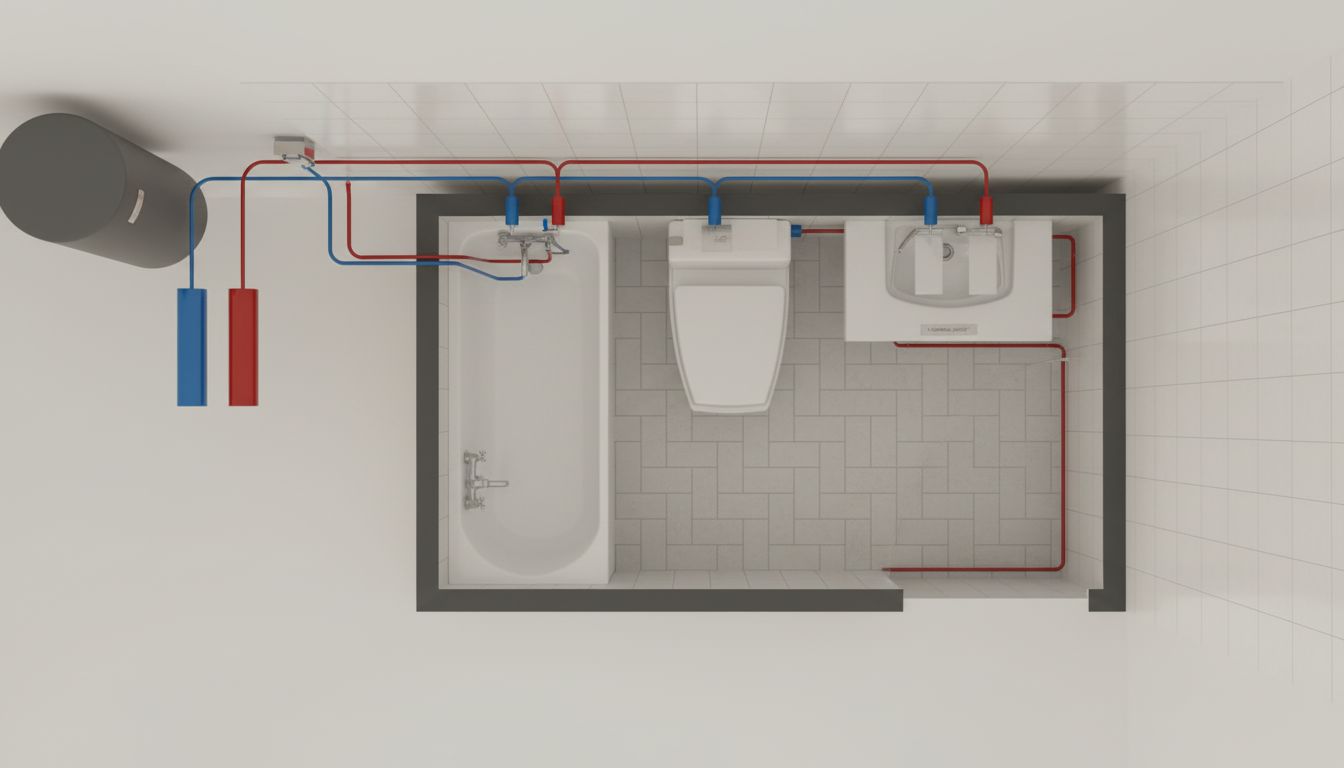
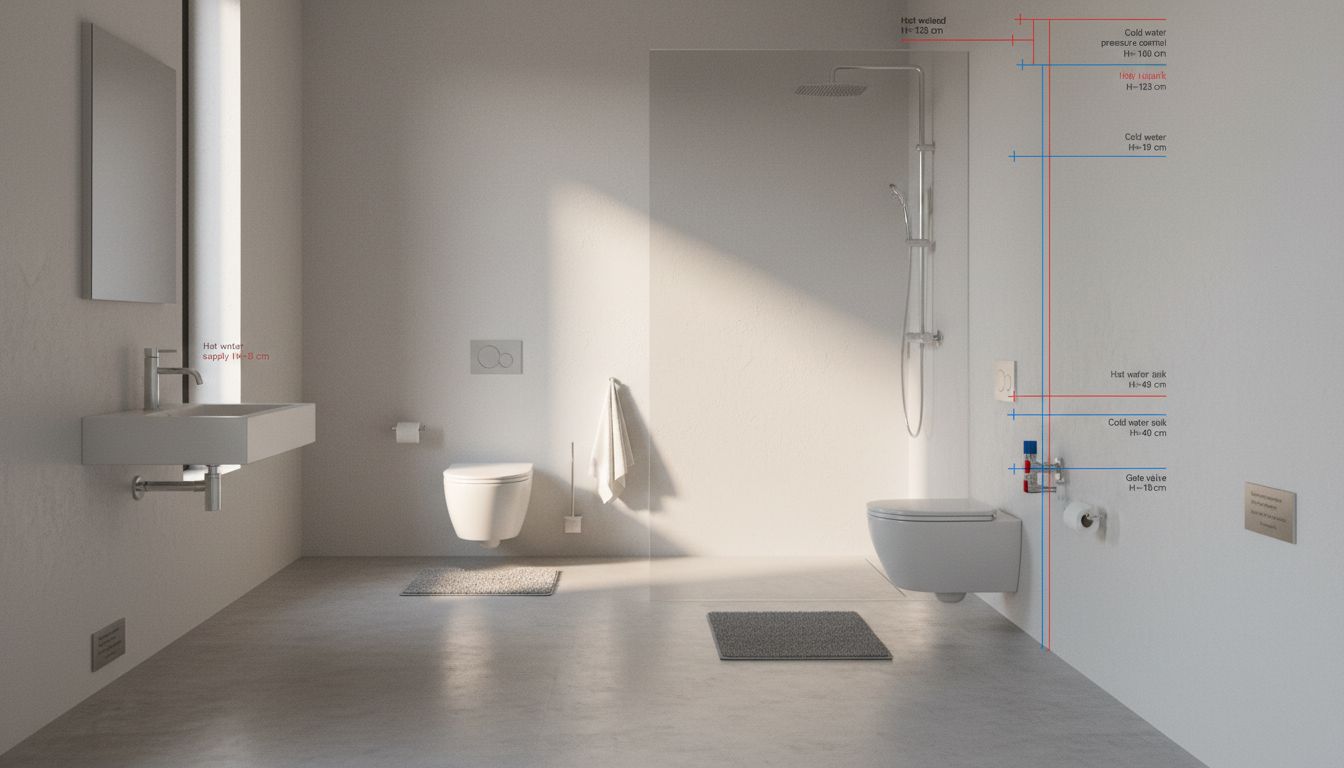
Plumbing pipes are used in a variety of applications including water supply, drainage, sewage, and more. Understanding the common uses helps in selecting the right type for your project, whether it’s for a new installation or an upgrade of an existing system.
Different Types of Plumbing Pipes Materials
Copper Pipes
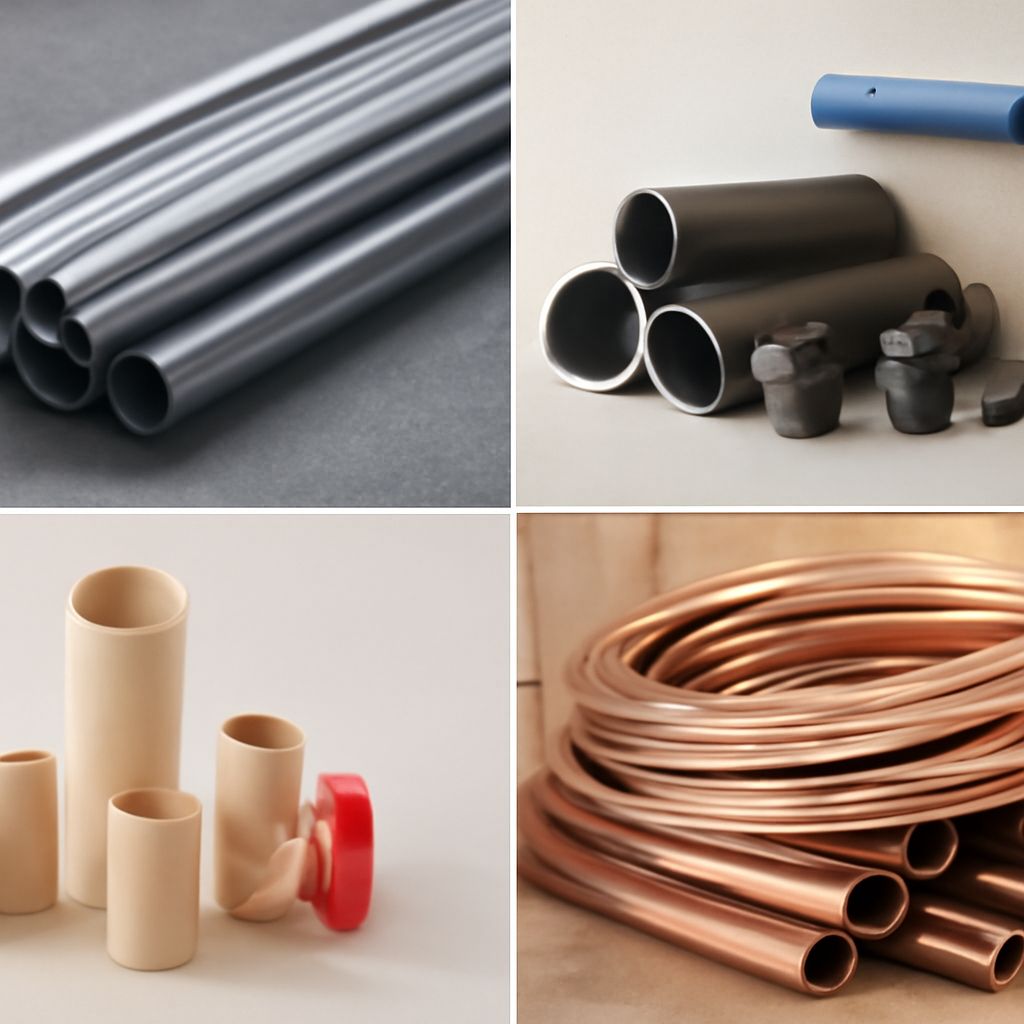
Copper pipes are a popular choice due to their resilience and ability to withstand high temperatures. These pipes are frequently used in both hot and cold water systems. They are known for their long lifespan, making them a cost-effective option over time despite a higher initial cost.
PVC Pipes
PVC, or polyvinyl chloride, pipes are known for their lightweight and corrosion resistance. They are typically used for drainage and sewer applications. PVC is easy to install, making it a common choice for DIY plumbing projects.
PEX Pipes
PEX pipes, or cross-linked polyethylene, are flexible and easy to work with, making them ideal for retrofitting older plumbing systems. They are resistant to scale and chlorine, which increases their durability and makes them suitable for water supply lines.
Galvanized Steel Pipes
Galvanized steel pipes are coated with a layer of zinc, providing them with a protective barrier against corrosion. While they were once a standard in residential plumbing, they are now more commonly used in commercial applications due to their strength and durability.
Comparing Plumbing Pipe Types
Durability and Longevity
Durability is a key factor when choosing plumbing pipes. Copper and galvanized steel pipes offer excellent longevity, while PVC and PEX provide adequate durability with easier installation and maintenance requirements.
Cost Considerations
Budget plays a significant role in selecting plumbing materials. Copper is more expensive initially but offers a long-term investment, whereas PVC and PEX are more affordable upfront, especially for large-scale projects.
Installation and Maintenance
The ease of installation varies among pipe types. PVC and PEX are generally easier and quicker to install, reducing labor costs. Copper and galvanized steel require more specialized skills, potentially increasing installation costs.
Choosing the Right Plumbing Pipe for Your Needs
Residential Plumbing Systems
For residential systems, PEX is often favored for its flexibility and ease of installation, especially in tight spaces. Copper remains a strong choice for those looking for durability, particularly in hot water applications.
Commercial Plumbing Systems
Commercial systems often demand the durability of galvanized steel or the flexibility of PEX, depending on the specific requirements. Copper is also utilized in settings where water purity and non-corrosive materials are crucial.
Conclusion: Selecting Plumbing Pipe Types Wisely
Future Trends in Plumbing Materials
As technology advances, innovative materials and methods are emerging. For example, sustainable materials are gaining popularity, reducing environmental impact while maintaining efficiency.
Sustainable Plumbing Solutions
Eco-friendly plumbing solutions are becoming increasingly important. Recyclable materials and systems designed for water conservation are being integrated into modern plumbing practices.
Next Steps: To maintain and optimize your plumbing system, regularly inspect pipes for wear and tear and consider consulting a licensed professional for complex installations or repairs. By staying informed about the latest materials and technologies, you ensure a reliable and efficient plumbing system.