Aerogel Insulation: Performance, Home Applications, and Price Compared to Rockwool
Aerogel insulation is the highest-performing thermal insulation material available for residential use — a remarkable achievement for what is essentially a solid made mostly of air. Originally developed for aerospace applications, aerogel has moved into the building industry in panel and blanket form, offering R-values per inch that no other material can match. Understanding where aerogel insulation for homes is practical, how aerogel home insulation compares to mainstream alternatives, and what aerogel insulation price looks like against the more accessible rockwool insulation price helps you decide whether the premium is justified for your project.
This guide covers aerogel physics and performance, the home applications where it makes sense, honest pricing comparisons, and a framework for deciding whether aerogel or rockwool better fits your insulation budget and goals.
What Is Aerogel Insulation and How Does It Perform
R-value and thermal performance
Aerogel insulation achieves R-values of R-10 to R-15 per inch depending on product formulation. To put that in context: cellulose blown fill delivers R-3.7 per inch, standard fiberglass batts provide R-3 to R-4.3 per inch, and closed-cell spray foam reaches R-6 to R-7 per inch. Aerogel nearly doubles the performance of spray foam at equal thickness — a profound advantage where depth is the limiting constraint.
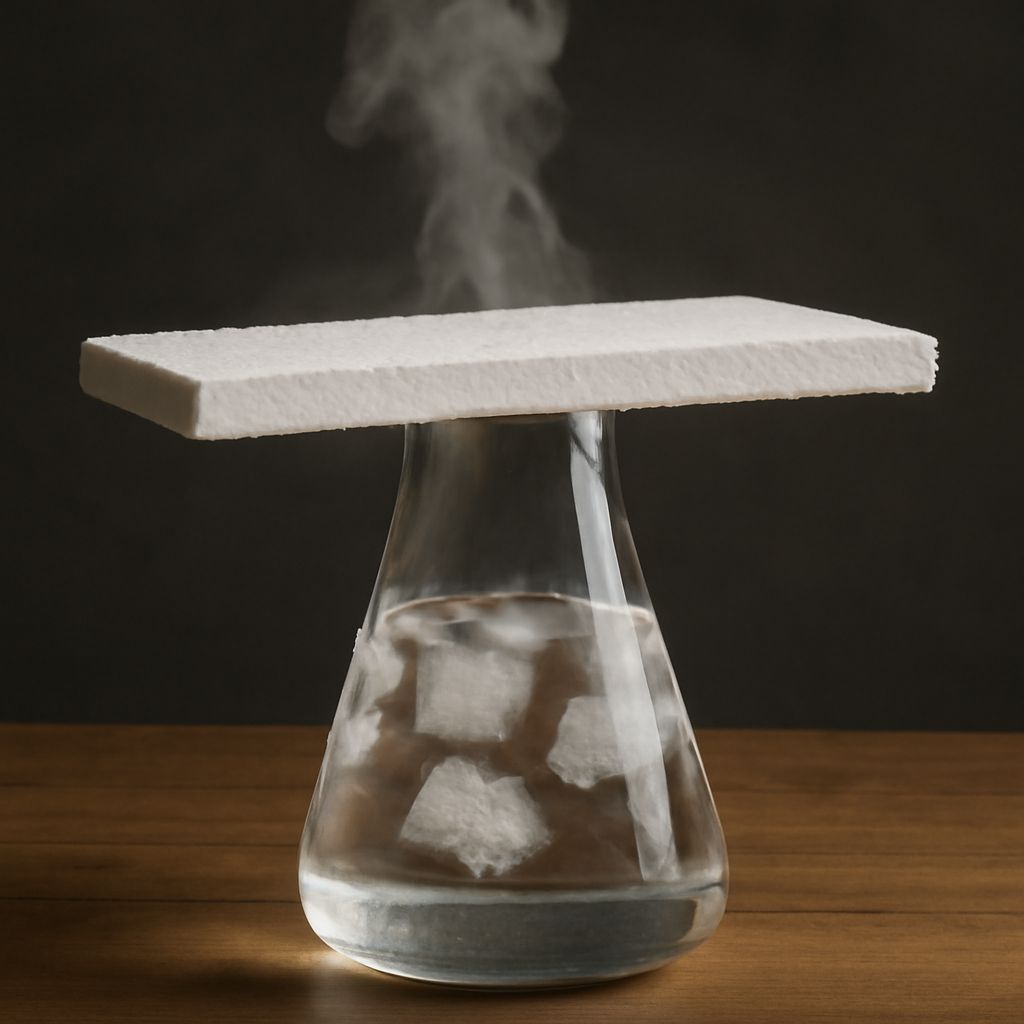
The mechanism behind this performance is aerogel internal structure: a silica-based sol-gel matrix where 95 to 99.9 percent of the volume is air trapped in nanoscale pores. These pores are smaller than the mean free path of air molecules, which suppresses convective heat transfer — the mechanism by which most insulating air spaces lose effectiveness. The result is a material that insulates almost as well as a vacuum at atmospheric pressure.
Physical properties and handling
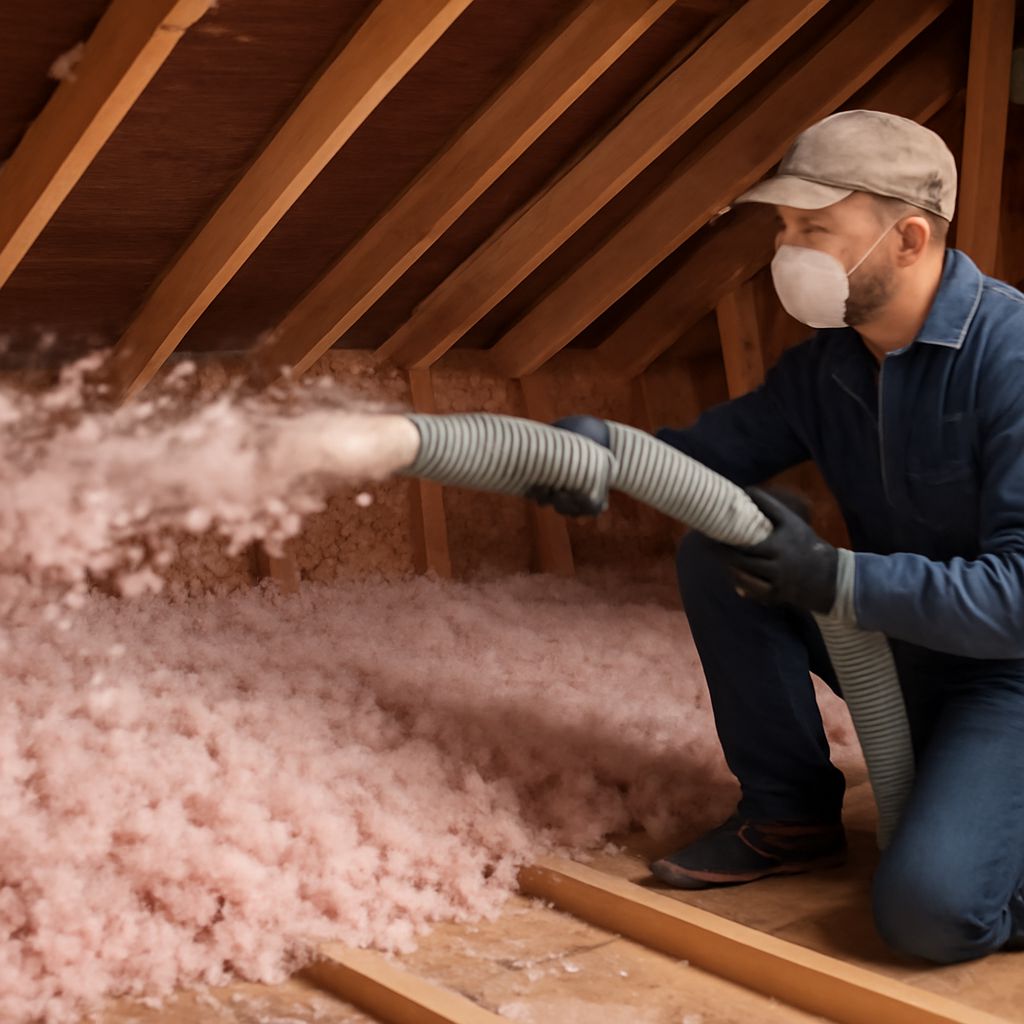
Aerogel insulation products for residential use come in two main forms: rigid panels and flexible blanket (composite) systems. Rigid aerogel panels are fragile and typically used in applications where they are protected from mechanical damage. Flexible aerogel blankets incorporate the aerogel into a fiber-reinforced mat that handles more like conventional batt insulation and is far more practical for residential installation. Both forms require dust protection during installation — aerogel particles are extremely fine and require respiratory protection when cutting or handling.
Aerogel Insulation for Homes: Best Applications
The ideal applications for aerogel insulation for homes are situations where thermal performance is critical but available depth is severely constrained:
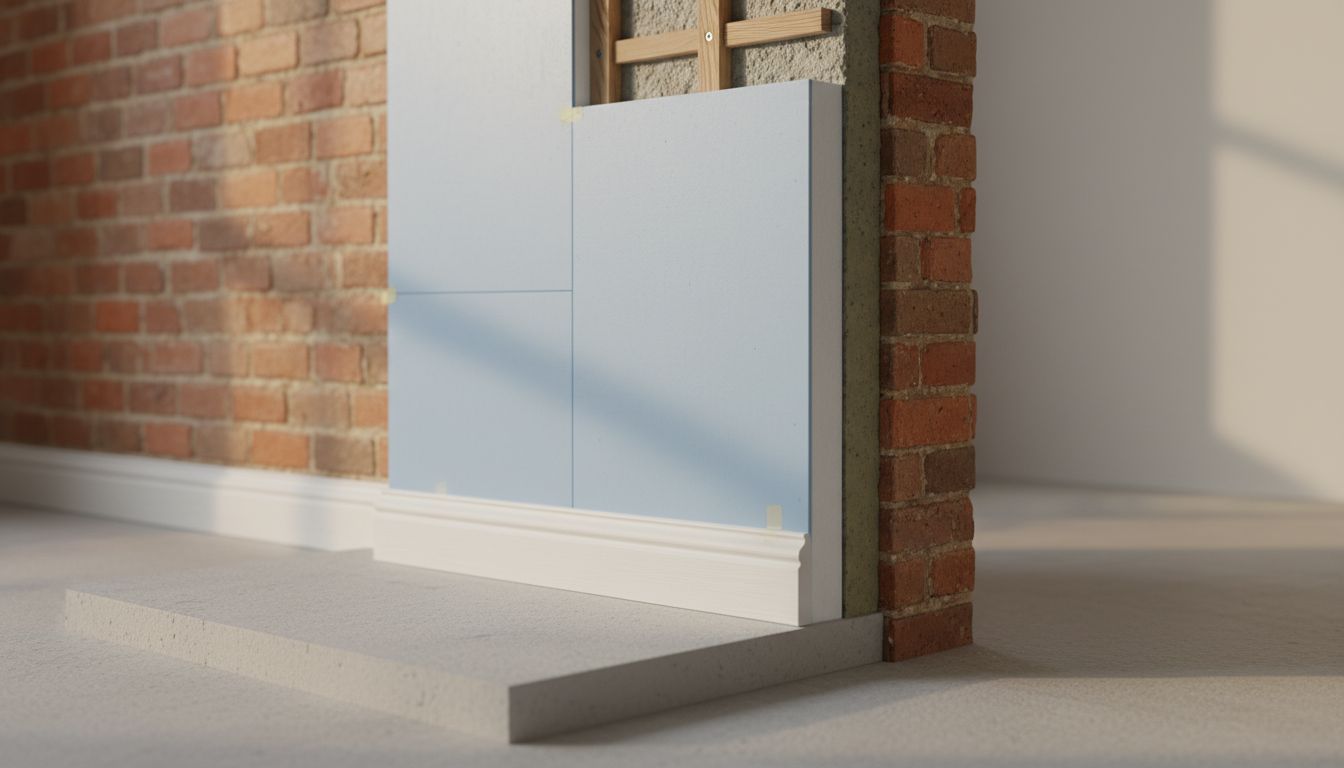
- Slim-wall retrofits: When upgrading existing walls without removing finishes, aerogel blankets added to the interior face provide meaningful R-value gains in under an inch of thickness that would require 3 to 4 inches of conventional insulation to match
- Thermal bridge interruption: Placing aerogel strips over steel framing members breaks the thermal bridge at studs without the depth commitment of conventional continuous insulation
- Cathedral ceilings with constrained rafter depth: Where only 2 to 3 inches are available for insulation, aerogel achieves R-20 to R-30 in that limited space
- Pipe insulation in tight mechanical spaces: Aerogel pipe wrap provides excellent freeze protection in spaces too narrow for conventional foam pipe insulation
Aerogel Insulation Price vs. Rockwool Insulation Price
The aerogel insulation price premium is significant. Aerogel blanket products run $4 to $12 per square foot for the insulation layer itself, compared to R-10 equivalent conventional insulation at $0.50 to $2.00 per square foot. The cost-per-R-point for aerogel is approximately 5 to 10 times higher than rockwool or fiberglass.
By comparison, rockwool insulation price (mineral wool, sold under brands like Roxul Comfortbatt) runs $0.70 to $1.50 per square foot for 2×4 wall batts delivering R-15. Rockwool offers distinct advantages over fiberglass: superior fire resistance (rated to 2,150°F), better acoustic performance, and moisture resistance — all at a price premium of roughly 30 to 50 percent over equivalent fiberglass batts, but far below aerogel pricing.
Is Aerogel Home Insulation Worth the Premium?
For most standard residential insulation applications — attic floors, standard stud wall cavities — aerogel home insulation is not cost-justified. The extraordinary price premium delivers exceptional R-value per inch, but when depth is not constrained, achieving the same R-value with conventional materials at 5 to 10 percent of the cost is the rational choice.
The cases where aerogel justifies its cost are those where depth is genuinely constrained and additional R-value has a known, quantifiable payback. A historic building exterior wall where interior depth addition is not possible but thermal comfort is unacceptable — aerogel is the right tool. A cathedral ceiling where only 3 inches exist between the rafter bottom and the ceiling drywall — aerogel achieves code-required R-values that no other product can provide in that space.
Rockwool remains the recommended upgrade from standard fiberglass in most residential applications: better fire and acoustic performance, comparable thermal performance, and a modest price premium that most budgets can absorb. Aerogel is the specialist solution for constrained-depth thermal problems where no other material can achieve the required performance.