Unsanded Grout, Gold Grout, and Tile and Grout Repair Techniques
Unsanded grout is the right choice for tile joints under 1/8 inch wide, providing a smooth, non-abrasive fill that protects polished tile faces from scratching during application. Understanding when unsanded formulas outperform sanded alternatives, how specialty colors like gold grout transform a tile installation, and how to approach tile and grout repair keeps your tile surfaces looking their best. This guide covers unsanded grout selection, specialty color options, grout restoration techniques for aged installations, and how to work with flagstone grout for natural stone applications.
Whether you are grouting new glass tile, refreshing a deteriorating shower, or repointing a flagstone patio, choosing the right grout product and technique makes the difference between a lasting result and a repair that fails within a year.
Unsanded Grout: When to Use It and How It Works
Unsanded vs. sanded grout: joint width requirements
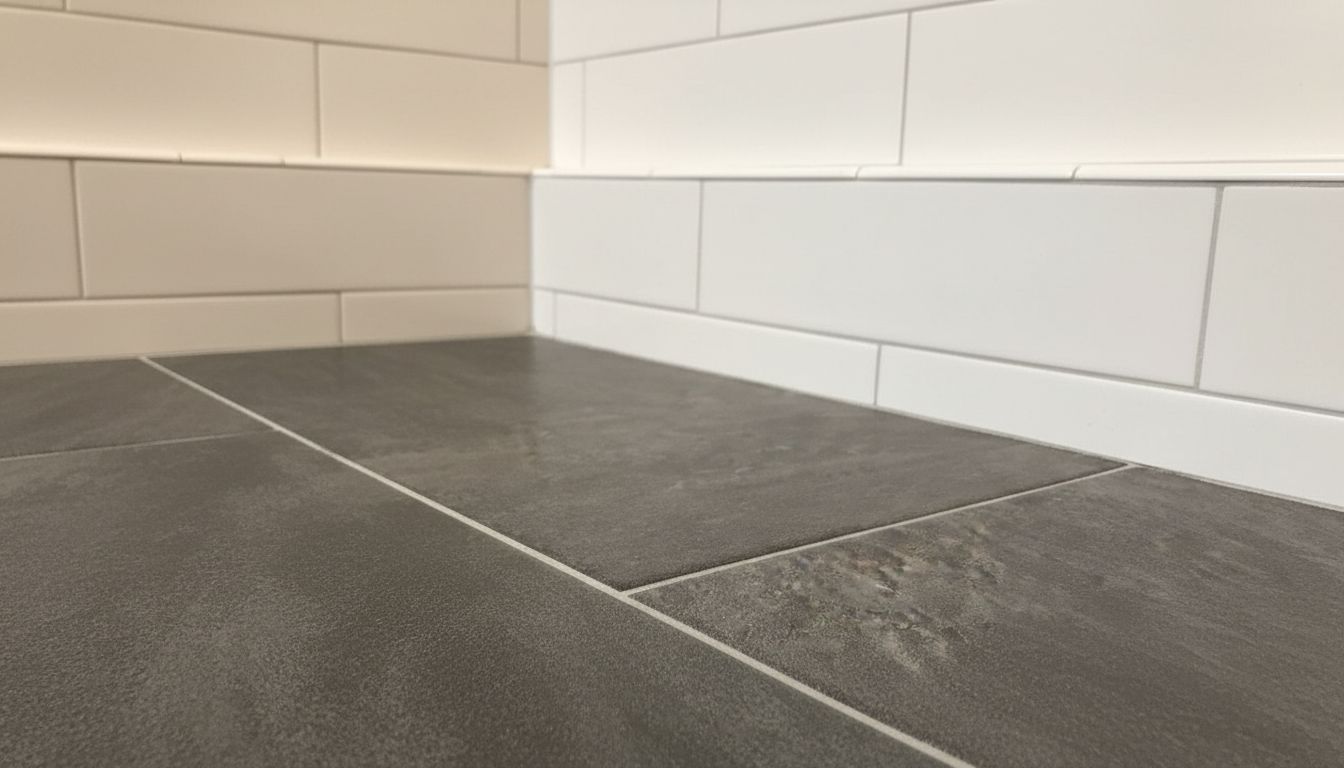
Unsanded grout contains no aggregates — it is a pure mixture of Portland cement, pigment, and polymer modifiers. Without the sand particles that give sanded grout its body and structural strength, unsanded formulas are appropriate only for joints that are 1/8 inch wide or narrower. In wider joints, unsanded grout shrinks excessively as it cures, creating a sunken, cracked appearance.
Sanded grout contains fine aggregate that fills wider joints and resists shrinkage during curing. The grit in sanded grout can scratch polished tile surfaces during application — when using sanded grout on glossy or polished tile, apply and remove immediately, working in small sections and cleaning frequently with a barely damp sponge. For glass tile, natural stone with polished surfaces, and any tile where scratching is a concern, unsanded grout is the mandatory choice regardless of aesthetics.
Best applications for unsanded grout
Applying unsanded grout is the correct approach for: glass tile mosaics with very tight spacing, wall tile installations with joints of 1/16 to 1/8 inch (common in contemporary large-format wall tile), marble and travertine with polished surfaces, and vertical applications where sanded grout can slide before setting in very narrow joints. Epoxy-based unsanded formulas are available for areas demanding the highest stain and chemical resistance — showers, kitchen backsplashes, and commercial food service environments.
Gold Grout and Metallic Specialty Colors
Gold grout creates a dramatic accent that emphasizes tile joints as a design element rather than a background component. Metallic-effect grouts contain reflective mica or metallic particles suspended in the base formula, catching light and creating a shimmering line between tiles. Gold grout works particularly well with warm-toned tiles (cream, ivory, terracotta, warm gray) and pairs beautifully with natural stone where the warm metallic tone echoes mineral deposits in the stone itself.
When selecting gold grout, view physical samples under the actual lighting conditions of your installation. Metallic particles can appear more or less golden depending on light temperature — warm incandescent light enhances the golden quality; cool LED lighting can make the same grout appear more bronze or brown. Apply metallic-effect grouts in the same manner as standard cementitious grout, but be attentive during cleanup — metallic particles can smear across tile faces if the haze cleanup is delayed.
Tile and Grout Repair and Grout Restoration Methods
Successful tile and grout repair starts with identifying the scope of deterioration. Cracked grout in isolated areas often indicates tile movement from substrate flex — before regrouting, identify and address the underlying cause. If the substrate is solid and the cracking is from age and chemical breakdown, regrout is appropriate.
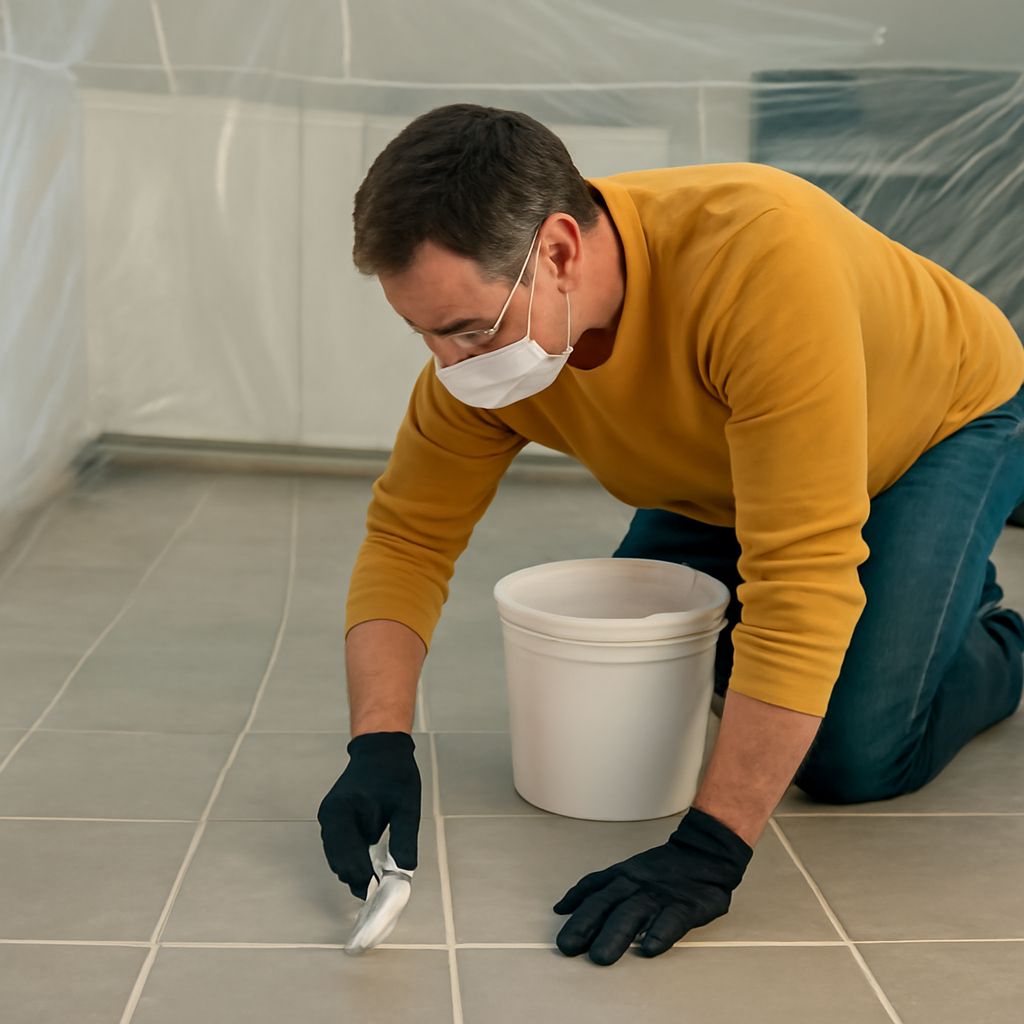
For spot repairs: remove the cracked or stained grout with a rotary tool and grout removal bit, or use a manual grout saw for small areas. Clean the joint thoroughly and allow to dry completely. Apply new matching grout, allow to cure, and seal. The challenge in spot repairs is matching the color of aged, stained existing grout — consider regrouting entire sections rather than individual joints for a uniform appearance.
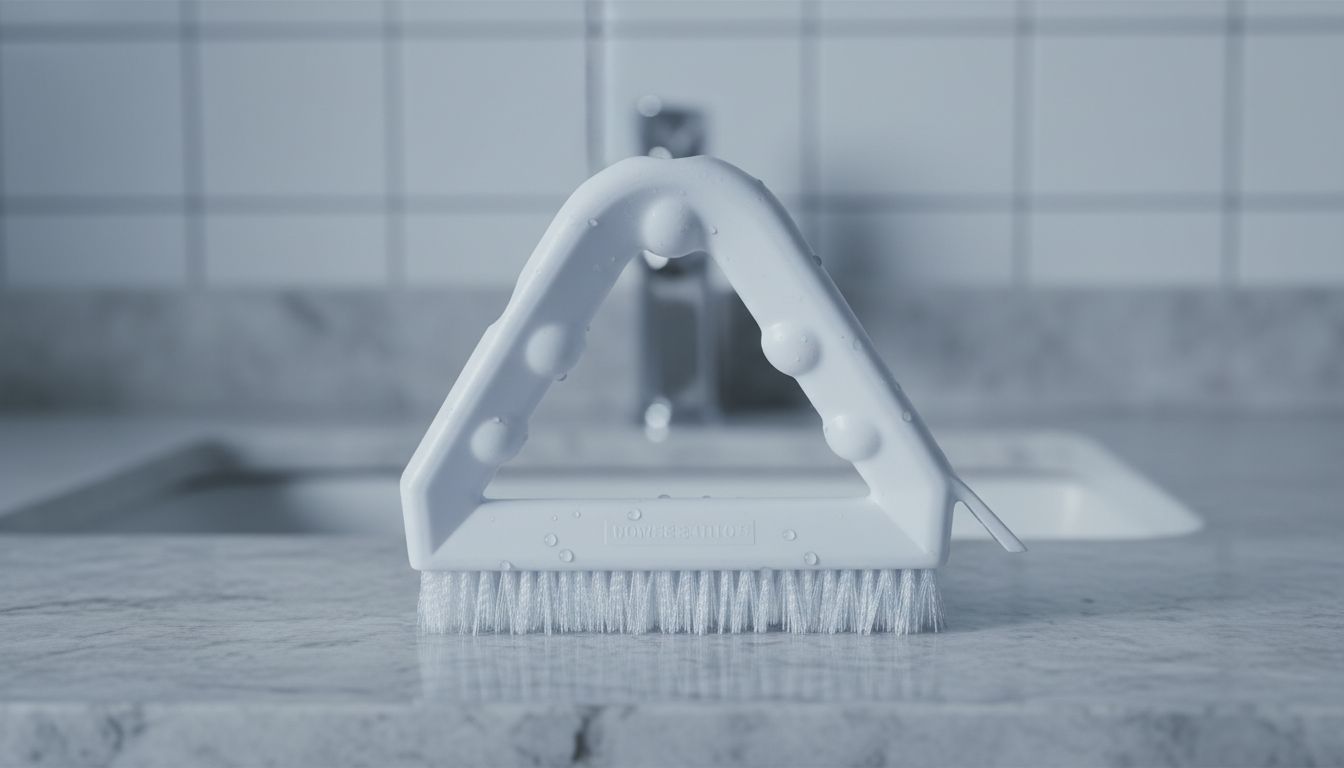
Grout restoration for heavily stained but structurally sound grout involves deep cleaning with an alkaline grout cleaner and a stiff brush, followed by sealing with a penetrating grout sealer. Grout colorants — products applied like paint to the grout surface — can refresh faded or stained grout without removal in cases where the existing grout is mechanically sound. These colorants are not permanent replacements for proper regrouting but can extend the life of a tile installation significantly at a fraction of the cost of full regrouting.
Flagstone Grout: Options for Natural Stone Joints
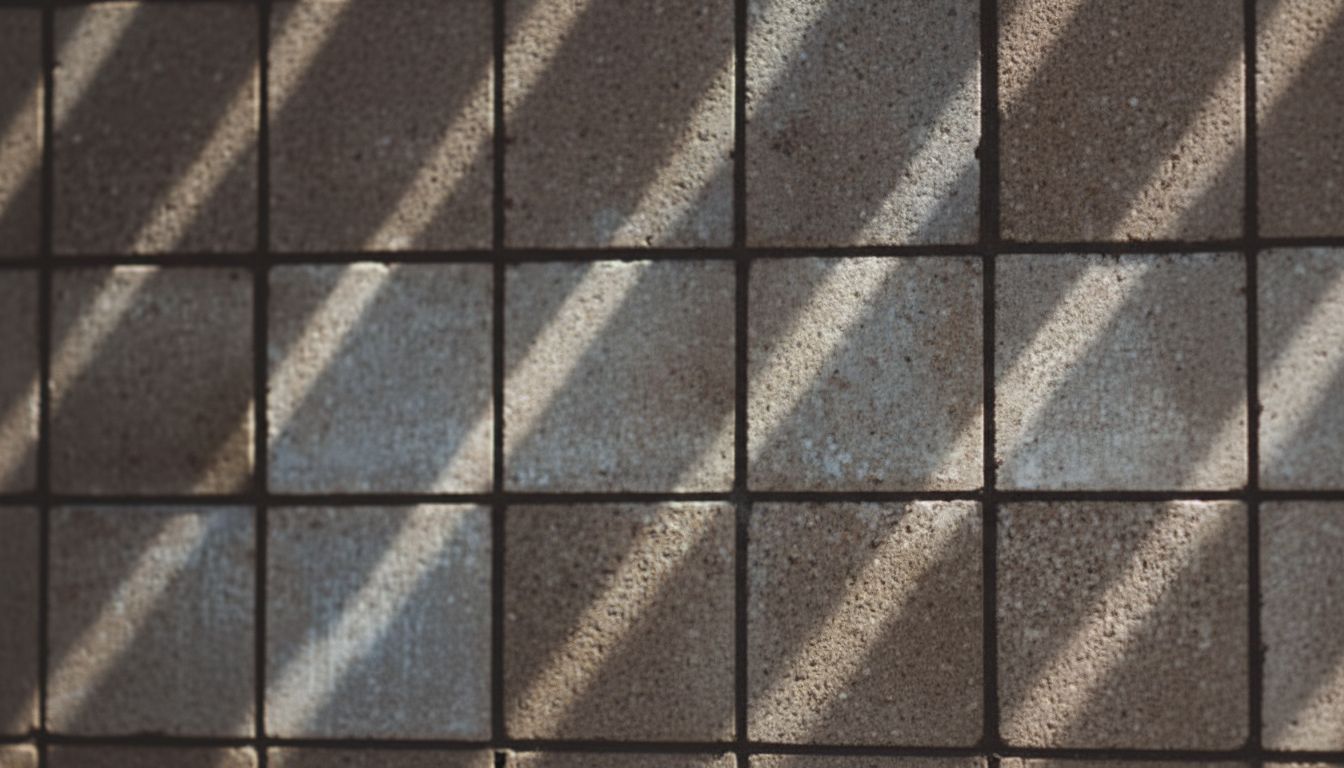
Working with flagstone grout presents unique challenges because flagstone joints are typically wider and more irregular than tile joints — ranging from 1/2 inch to over 2 inches in some informal layouts. Standard sanded cementitious grout handles joints up to about 1/2 inch; for wider irregular joints, use a grout formulation specifically rated for wide joints, or a dry-pack mortar mix that provides more body and reduces shrinkage.
For exterior flagstone patios and walkways, polymeric sand is a popular alternative to traditional cement grout in dry-laid stone installations. Polymeric sand activates with water to bind into the joints, resisting erosion and weed growth while maintaining flexibility to accommodate freeze-thaw movement. Interior flagstone installations typically use standard mortar-based grout, sealed after curing to prevent staining from food and liquids.
Bottom line: Match your grout type to joint width and tile material — unsanded for narrow joints and polished surfaces, sanded for wider joints, specialty formulas for wide flagstone gaps. Specialty colors like gold grout add design impact; just test samples in your actual lighting conditions before committing. Grout restoration colorants extend service life, but regrouting remains the only permanent solution for mechanically failed joints.