Mold on Drywall: How to Identify, Remove, and Prevent Black Mold
Finding mold on drywall is a concerning discovery for any homeowner. Gypsum board’s paper facing and gypsum core are both susceptible to mold growth when moisture is present — and mold can establish visible colonies within 24 to 48 hours on wet drywall surfaces. Understanding how to distinguish surface mold from black mold on drywall that has penetrated the material, and when professional remediation is required, protects your health and your home.
This guide covers identification, safety assessment, DIY removal methods for minor mold in drywall situations, how to treat moldy drywall surfaces, and the preventive steps that stop black mold drywall problems from returning after cleanup.
How to Identify Mold on Drywall
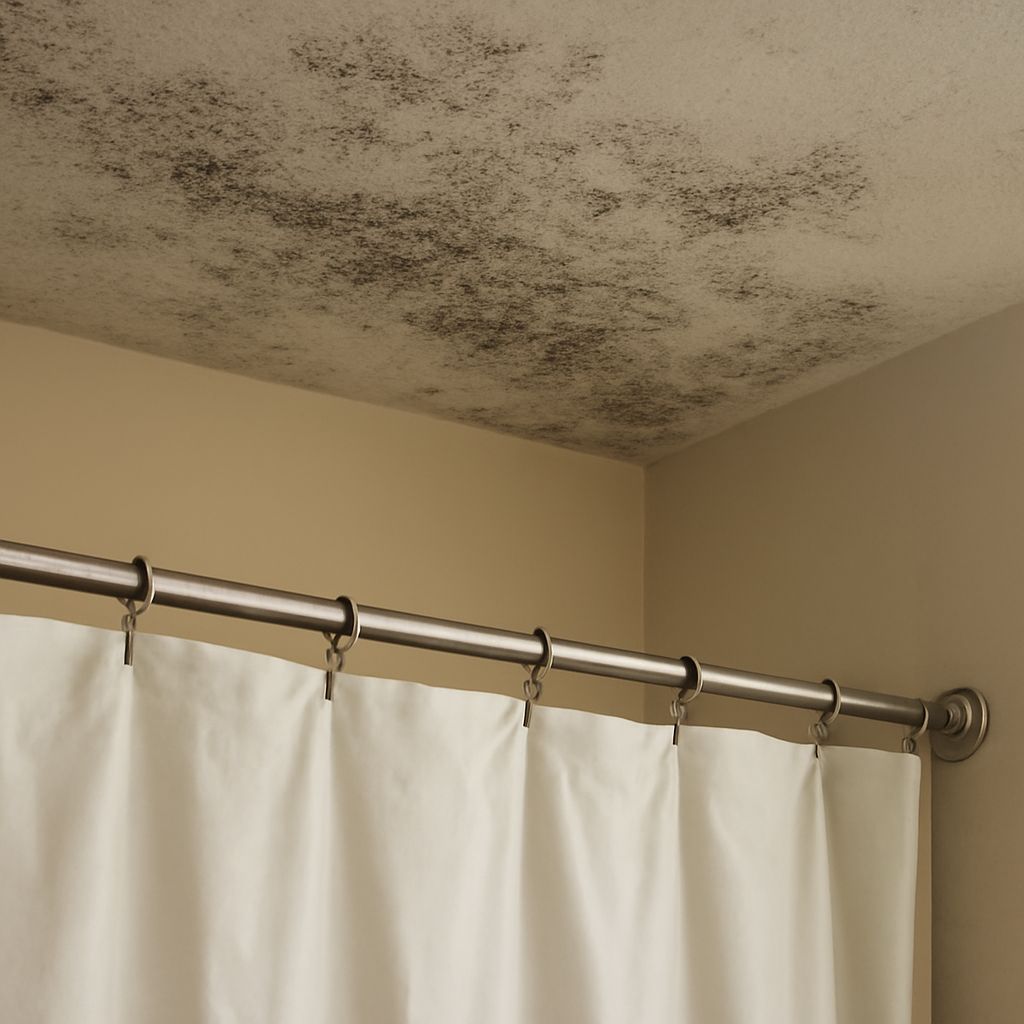
Mold on drywall appears as discolored patches — often green, gray, or black — with a fuzzy or powdery texture. The location matters: mold near the base of walls, in corners, or surrounding window frames typically indicates condensation or leakage issues. Mold appearing across broad wall sections often points to flooding, a hidden pipe leak, or chronic high indoor humidity.
Not all discoloration is mold. Dirt, paint discoloration, and efflorescence (mineral deposits) can look similar. The smell test helps — mold produces a distinctive musty, earthy odor. Press firmly on the affected area — if the drywall feels soft or spongy, moisture has penetrated deeply and surface treatment alone will not solve the problem; full drywall replacement is required.
Is Black Mold on Drywall Dangerous?
Black mold on drywall is alarming partly because of the widespread reputation of Stachybotrys chartarum — the so-called toxic black mold. In reality, many mold species appear black or dark, and not all dark mold is Stachybotrys. However, all mold growth inside a home should be taken seriously, especially for occupants with allergies, asthma, or compromised immune systems.
The health risks from mold exposure include respiratory irritation, allergic reactions, and in sensitive individuals, more significant respiratory symptoms. Children and elderly household members face elevated risk. If you have health concerns related to suspected mold, consult a physician before conducting remediation work. For areas of black mold drywall larger than 10 square feet, EPA guidelines recommend professional remediation rather than DIY treatment — the risk of disturbing and spreading mold spores during large-scale removal is significant.
How to Remove Mold From Drywall Safely
For moldy drywall with surface contamination only — meaning the drywall is firm and structurally sound — DIY cleanup is feasible for areas under 10 square feet. Before starting, put on an N95 respirator, safety glasses, and gloves. Isolate the work area with plastic sheeting to prevent spore spread to adjacent rooms.
The remediation process for surface mold on drywall:
- Fix the moisture source first — remove or repair any active leak before treating the mold surface. Treating without fixing the moisture guarantees return.
- Apply a mold-killing solution: a mixture of 1 cup household bleach per gallon of water works on non-porous surfaces; for drywall paper, an antimicrobial mold treatment designed for porous materials is more effective and less damaging to the facing.
- Scrub the affected area with a stiff brush, allow to dry completely, and apply a second treatment if any discoloration remains.
- Once completely dry, seal the treated area with a mold-resistant primer (Zinsser Mold Killing Primer or equivalent) before repainting.
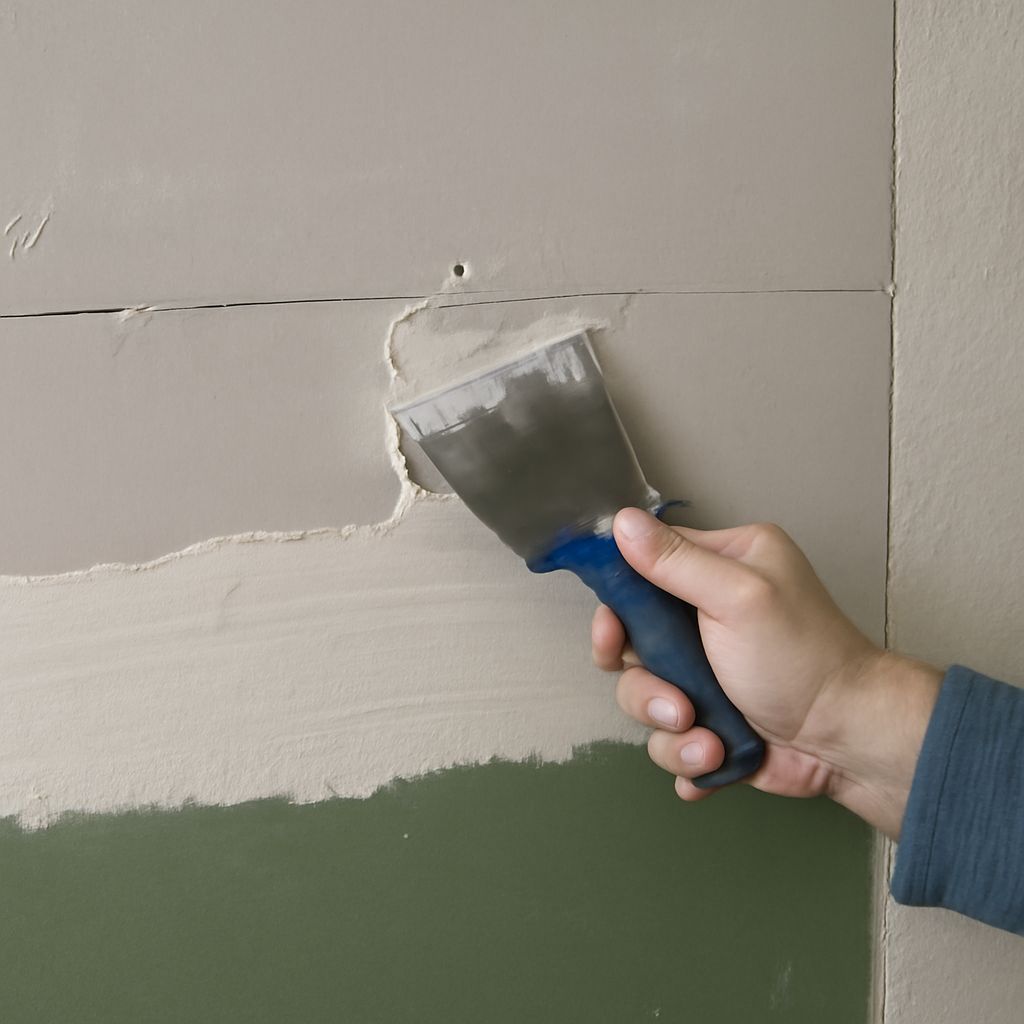
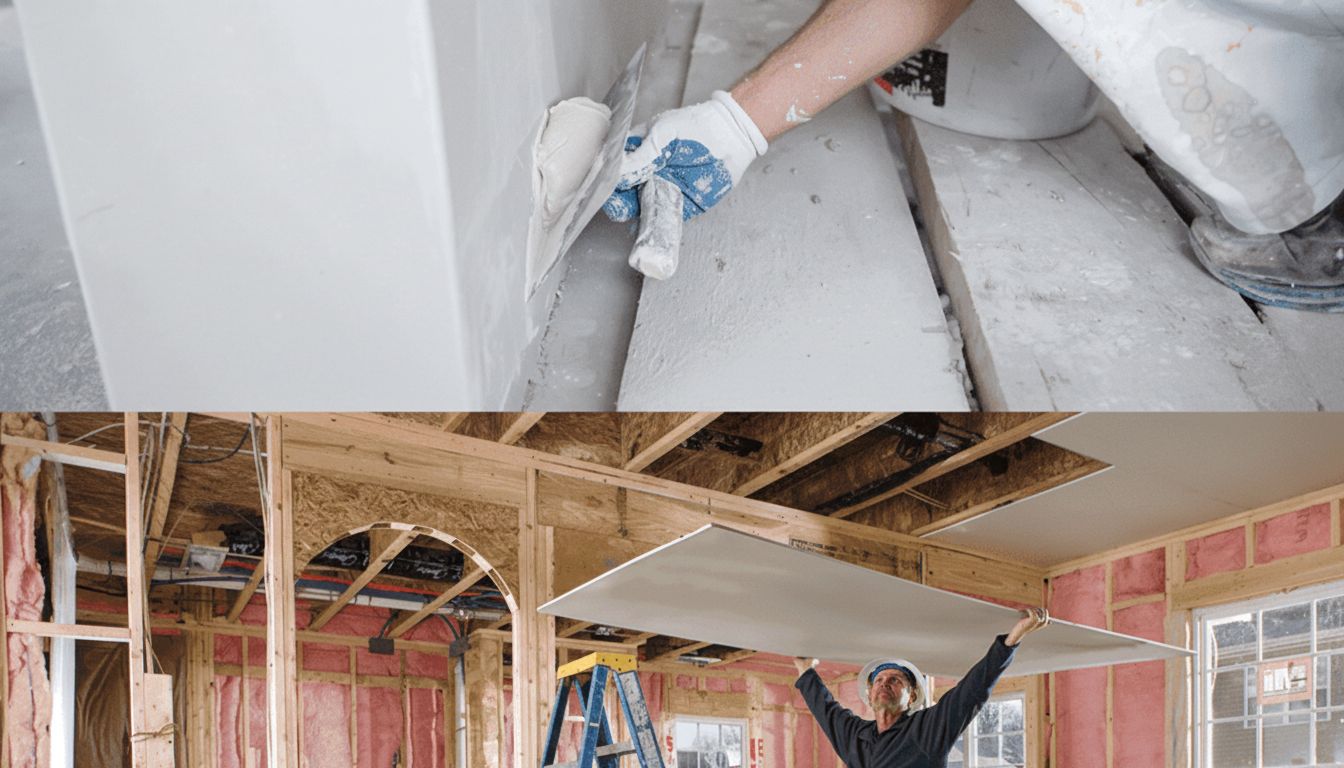
For mold in drywall that has penetrated to the back side of the panel, or where drywall is soft, cut out and dispose of the affected section in a sealed plastic bag. Replace with moisture-resistant drywall (green board or glass mat product) and treat the framing behind with antimicrobial spray before installing new panels.
Preventing Mold in Drywall After Remediation
Preventing regrowth after treating mold on drywall requires controlling the conditions that allowed mold to establish. Indoor relative humidity should be maintained below 60 percent — ideally 30 to 50 percent. Run exhaust fans in bathrooms and kitchens during and after use. In basements and crawl spaces, a dehumidifier maintains safe humidity levels year-round.
In moisture-prone rooms, use mold-resistant drywall products from the start on any replacement or new construction work. Moisture-resistant drywall uses a fiberglass mat facing rather than paper, which mold cannot colonize. It costs somewhat more than standard gypsum board but eliminates the primary food source for mold growth.
Safety recap: Always wear respiratory protection when disturbing mold. Seal mold-contaminated debris in heavy plastic bags before disposal. Never use a leaf blower or vacuum without a HEPA filter near mold — standard vacuum exhausts spread spores throughout the space. If symptoms of respiratory distress, persistent coughing, or allergy flare-ups occur during or after remediation, consult a physician and consider engaging a certified mold remediation contractor for professional assessment.