Best Attic Insulation: Types, Efficiency, and What to Choose
Choosing the best attic insulation for your home depends on your climate zone, attic configuration, budget, and whether you are adding to existing coverage or starting from scratch. The types of attic insulation available span from loose-fill blown materials to rigid boards to spray foam — each with different R-values per inch, installation requirements, and ideal applications. Understanding how each performs helps you make a confident choice.
This guide compares all major types of blown in insulation and other attic insulation products, covers climate-specific recommendations, explains how insulation in walls and attics differs in approach, and identifies the most efficient insulation for specific use cases.
Types of Attic Insulation Compared
Blown cellulose and fiberglass
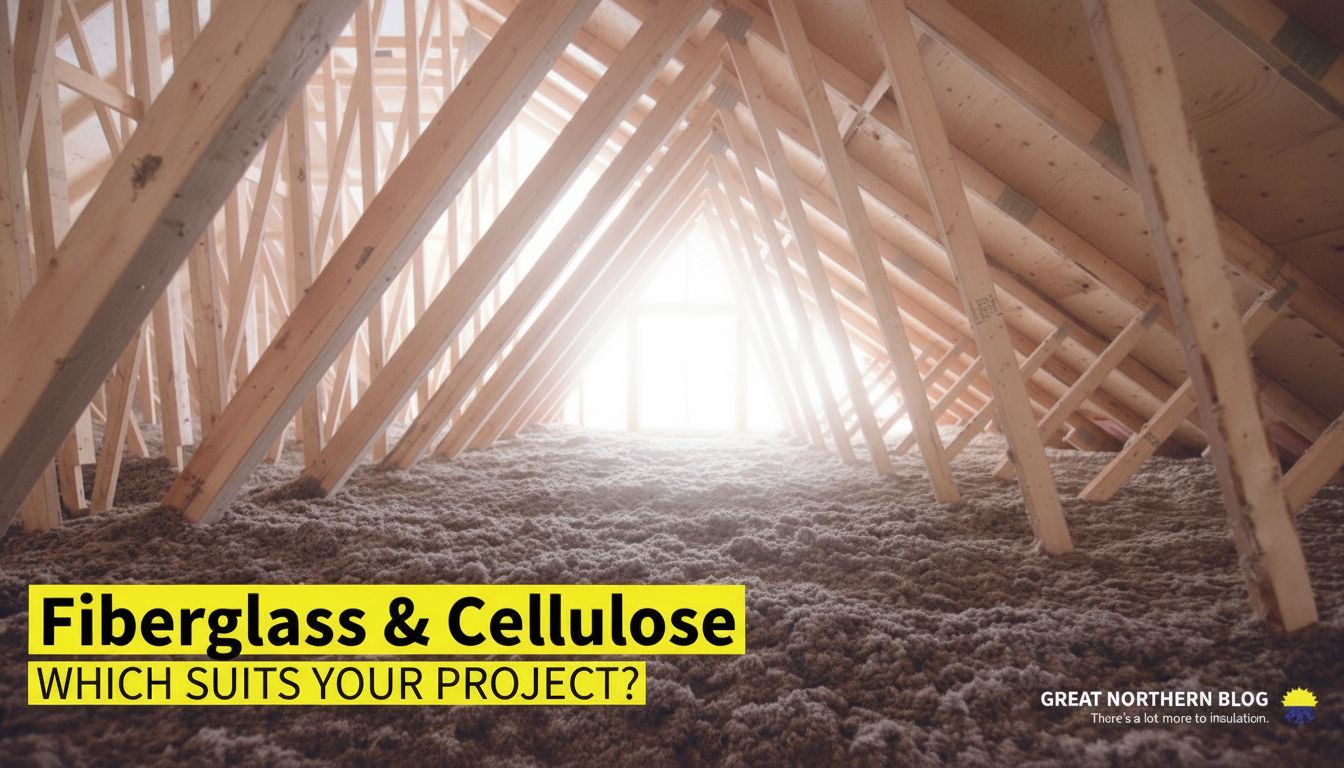
Blown-in loose fill is the most common attic insulation choice for both new construction and retrofits. Cellulose loose fill delivers approximately R-3.7 per inch and installs quickly with a rented blower. Its recycled paper content makes it eco-friendly, and its density resists air movement through the insulation layer. Fiberglass loose fill offers about R-2.5 per inch, is lighter, and performs better in very humid attics because it resists moisture absorption. Both are the workhorses of residential attic insulation.
Batts and rigid foam boards
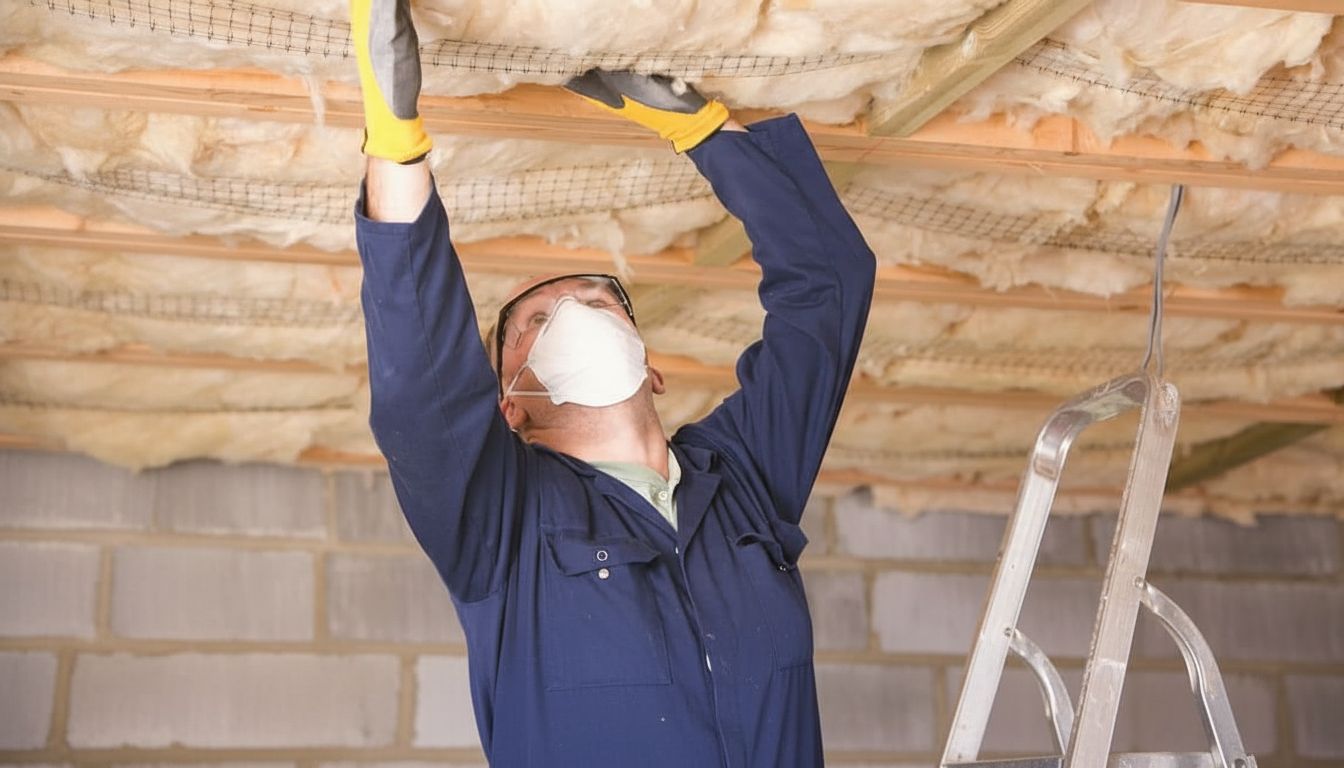
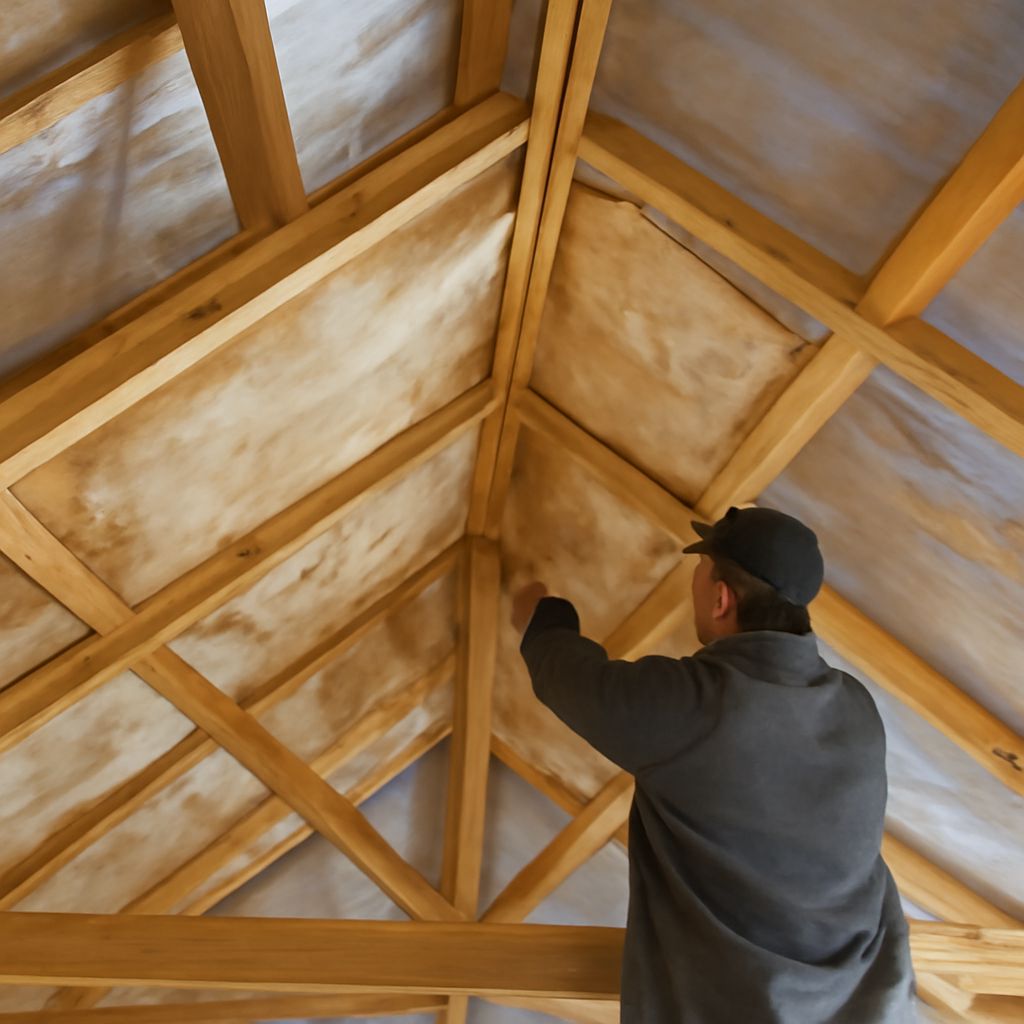
Fiberglass or mineral wool batts are commonly used in attics with specific configurations — particularly in cathedral ceilings where depth is constrained and batts fit between rafters without requiring a blower. Rigid foam boards (polyiso, XPS, or EPS) provide R-5 to R-6.5 per inch but must be covered with a thermal barrier (drywall) when used in living spaces. In unconditioned attic floors, foam boards are sometimes used to add R-value under a layer of blown fill.
Spray foam for attic applications
Closed-cell spray polyurethane foam (SPF) delivers R-6 to R-7 per inch, the highest R-value per inch of any common insulation product. When applied to the underside of roof decking rather than the attic floor, it creates a sealed, conditioned attic space — encapsulating the attic and eliminating the need to insulate HVAC ducts that run through the attic. This approach costs significantly more than floor insulation but dramatically improves overall building performance, particularly in hot-humid climates where ducts in an unconditioned attic lose 20 to 30 percent of their heating and cooling capacity.
Best Attic Insulation for Different Climates
Climate zone determines your R-value target. DOE recommendations for attic insulation in climate zones 1 and 2 (Deep South, Hawaii) start at R-30 to R-38. Zones 3 and 4 require R-38 to R-49. Zones 5 through 8 (Northern US, Canada) require R-49 to R-60. If your attic currently has 4 inches of fiberglass batts (about R-11 to R-15), you are significantly under-insulated in any climate above zone 2, and adding blown insulation on top is a high-return investment.
In cold climates, prioritize air sealing before adding insulation — heat loss through unsealed penetrations can exceed heat loss through under-insulated surfaces. In hot-humid climates, consider the unvented attic approach with spray foam on the roof deck to bring HVAC equipment into conditioned space.
Insulation in Walls vs. Attic: Different Priorities
Insulation in walls is constrained by stud cavity depth — typically 3.5 inches for 2×4 construction, 5.5 inches for 2×6 walls. Standard fiberglass batts in 2×4 walls deliver R-13 to R-15. Adding rigid foam to the exterior or interior adds R-value beyond what the cavity alone can hold. In contrast, attic insulation has no practical depth limit — you can pile blown fill to achieve R-60 or more at relatively low cost per R-point compared to wall upgrades.
Return on investment strongly favors attic insulation over wall insulation in existing homes. Adding 6 to 12 inches of blown fill to an underperforming attic typically costs less than wall upgrades and delivers greater energy savings because heat rises and attic air exchange is the dominant heat loss pathway in most homes.
Most Efficient Insulation by Application
Ranking the most efficient insulation options by R-value per inch: closed-cell spray foam (R-6 to R-7), polyisocyanurate rigid board (R-6), XPS rigid foam (R-5), EPS rigid foam (R-4), cellulose blown fill (R-3.7), fiberglass batts (R-3 to R-4.3), and fiberglass blown fill (R-2.5). However, efficiency per inch is only one factor — installation ease, moisture resistance, air sealing capability, and cost per R-point all matter for the overall decision.
For attic floors: blown cellulose offers the best overall value for most climates. For unvented attic assemblies and tight encapsulation: closed-cell spray foam. For walls in new construction: mineral wool batts deliver excellent R-value, fire resistance, and sound attenuation at a competitive price point.
Safety recap: Spray foam installers must use appropriate respiratory protection — the off-gassing during installation is hazardous. For DIY blown insulation, use an N95 respirator and eye protection. If your attic has vermiculite insulation (a granular grey material), do not disturb it — it may contain asbestos and requires professional testing and abatement before any insulation work proceeds.