Wood Lap Siding: Cedar Siding House Options, Pros, and Cons
Wood lap siding has defined American residential architecture for centuries. Its classic horizontal lines, natural warmth, and proven performance make it a perennial favorite for homeowners seeking authentic character. A cedar siding house stands apart with natural rot resistance, dimensional stability, and a surface that accepts paint or stain beautifully — but it also demands maintenance. This guide covers real cedar options alongside cedar look siding alternatives, where to find overstock vinyl siding deals, and the honest cedar siding pros and cons every buyer should know.
Whether you are building new, re-siding an existing home, or evaluating materials for a remodel, understanding what distinguishes each option helps you make the choice that balances budget, aesthetics, and long-term ownership costs.
What Is Wood Lap Siding and Why It Remains Popular
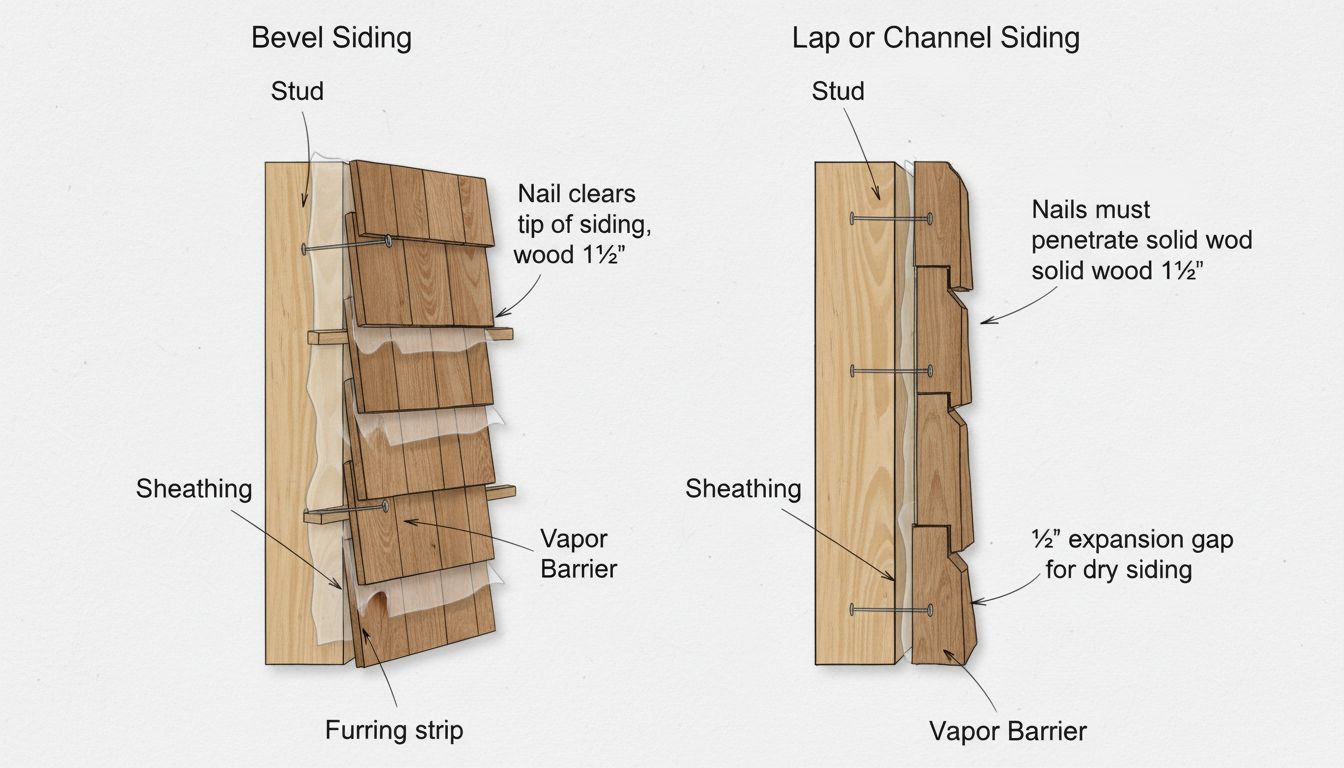
Lap siding refers to any horizontal siding profile where each course overlaps the one below, shedding water away from the wall. Wood lap siding is available in bevel (thinner at the top, thicker at the bottom), clapboard (uniform thickness), and rabbit-edged profiles. Bevel is the most common and the style most associated with traditional New England and colonial architecture.
The enduring popularity of wood lap siding comes from its natural feel, paintability, and repairability. Individual damaged boards can be replaced without disturbing surrounding courses. The material can be stained to highlight grain or painted any color. And unlike engineered products, solid wood can be milled to custom profiles for historic restoration work where matching existing profiles is required.
Cedar Siding House: Natural Beauty and Performance
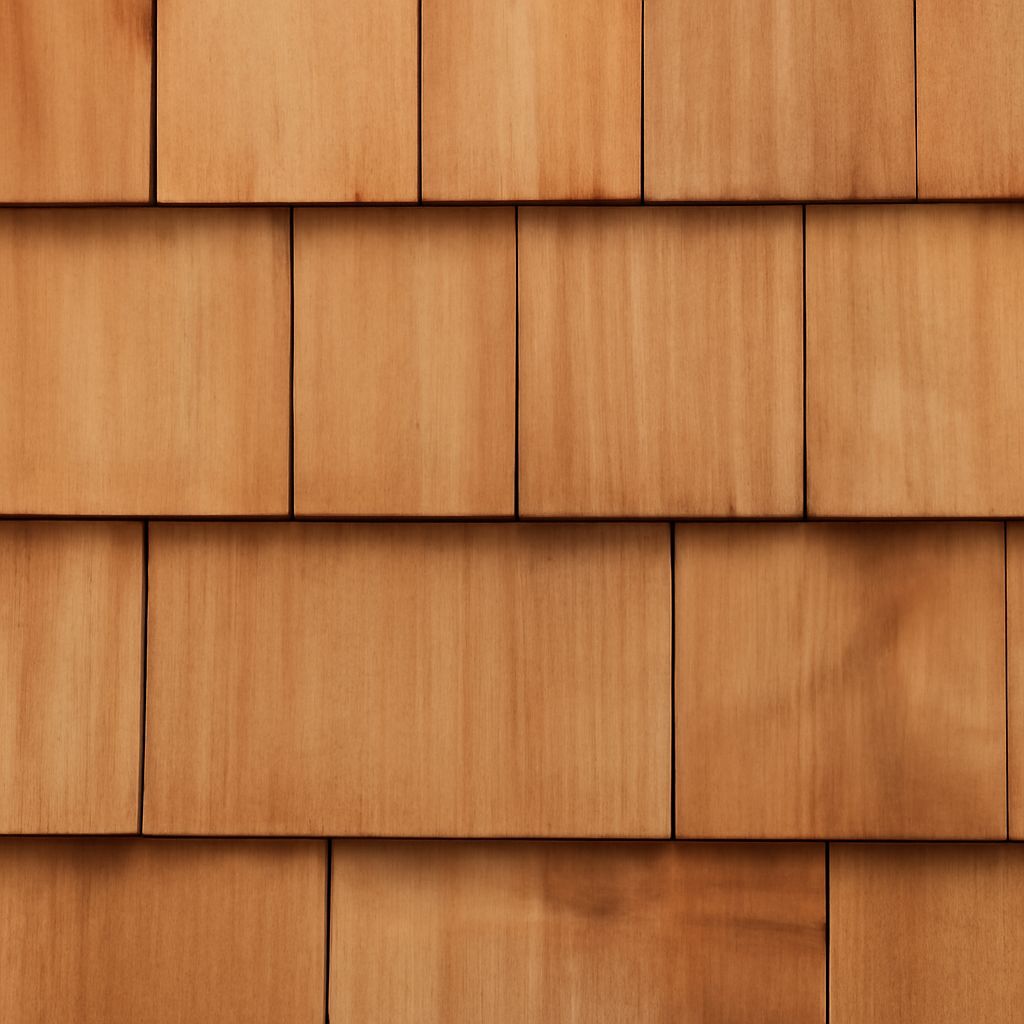
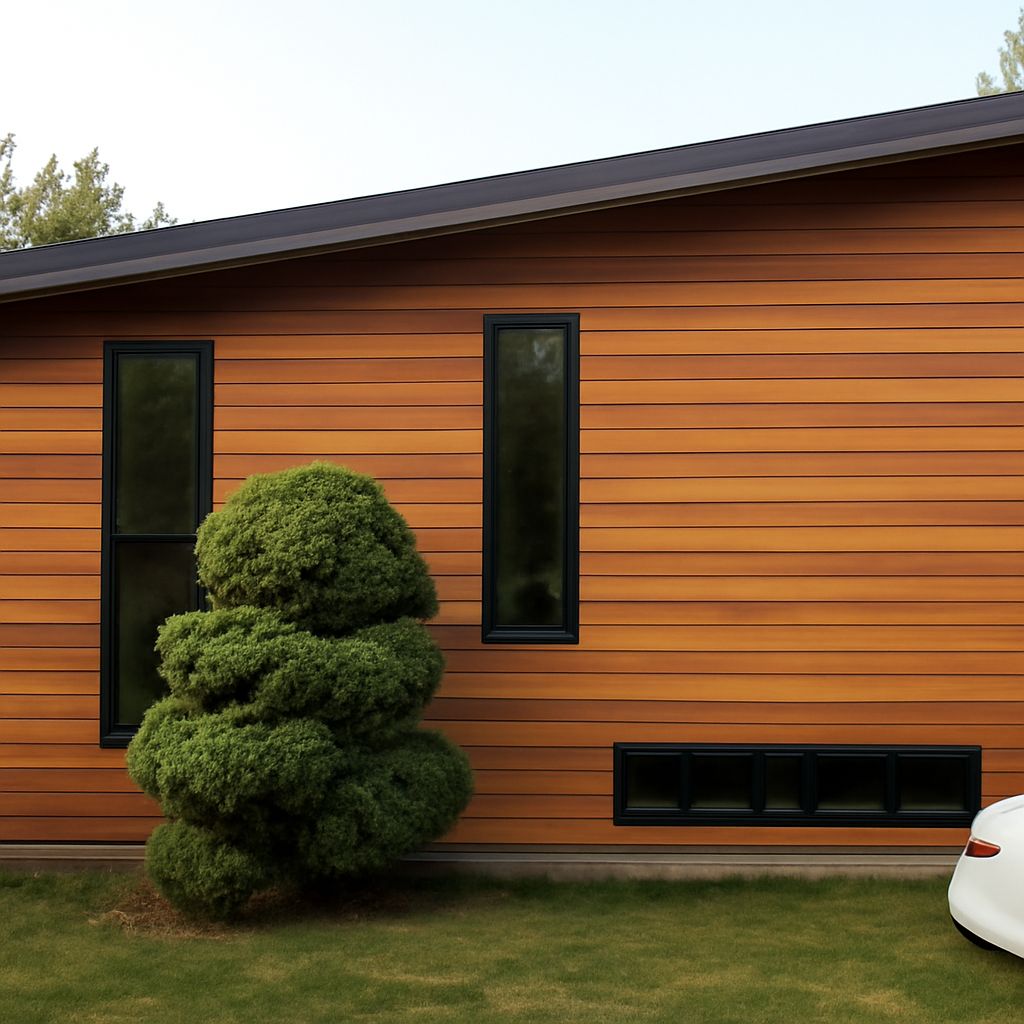
Outfitting a cedar siding house with western red cedar or eastern white cedar delivers genuine performance advantages over other wood species. Cedar’s natural oils resist rot and insect damage without chemical treatment — important in regions with high moisture or termite pressure. The low density of cedar means it expands and contracts less than pine or fir siding, reducing the cracking and cupping that leads to paint failure.
Installing cedar siding on a house requires quality fasteners (stainless steel or hot-dipped galvanized to prevent rust staining), back-priming all boards before installation, and maintaining at least 2 inches of clearance above roof surfaces and 6 inches above grade to prevent moisture wicking. A properly installed and maintained cedar siding house can look sharp for 40 to 50 years.
Cedar Look Siding: Achieving the Aesthetic Without the Upkeep
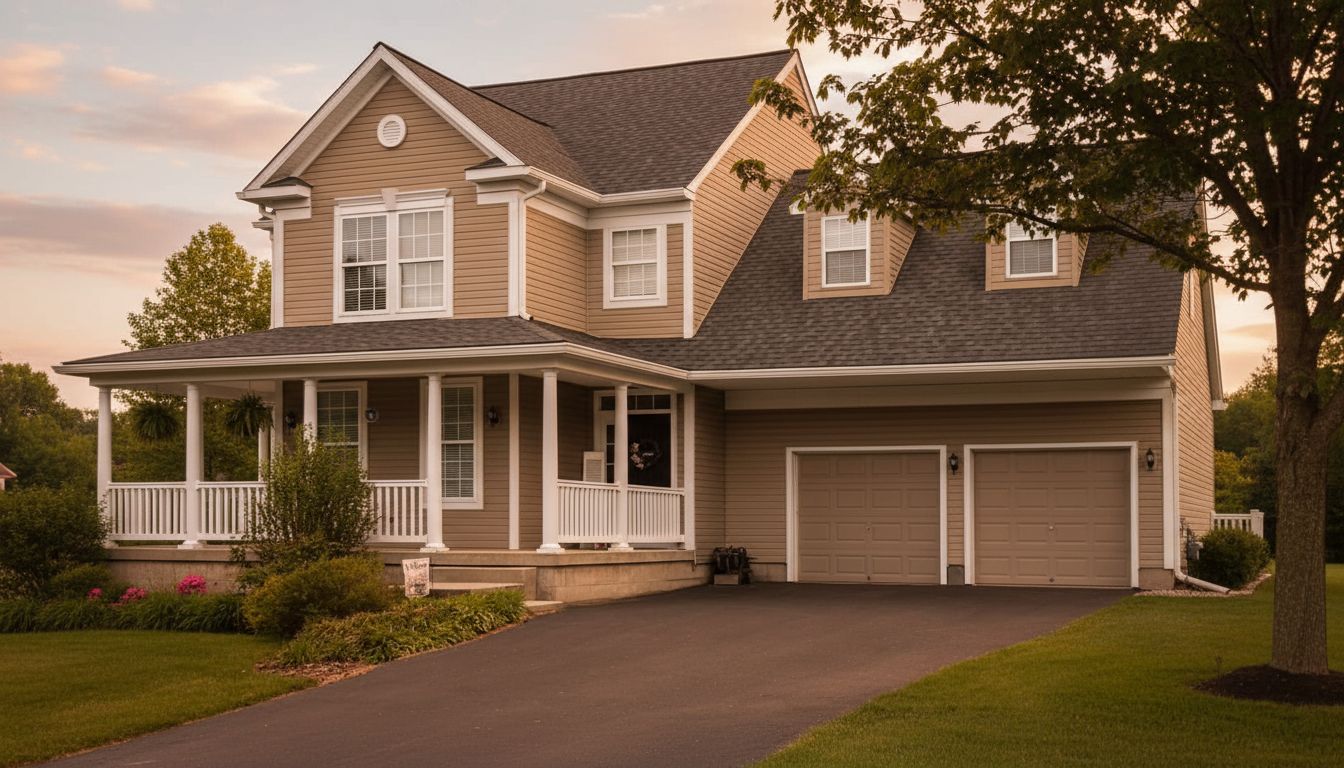
For homeowners who love the visual of real cedar but want lower maintenance, cedar look siding options have improved dramatically. Deep-embossed vinyl siding with woodgrain texture replicates the shadow lines and grain pattern of real cedar from street distance. Engineered wood siding products like LP SmartSide combine wood fiber and resin binders for a surface that machines and paints like real wood but resists rot and insects without natural oils.
Fiber cement siding (Hardie Plank, for example) in a lap profile with woodgrain texture is another strong cedar look siding option — it accepts paint, resists fire and insects, and carries manufacturer warranties of 30 to 50 years. The tradeoff is higher weight and more demanding installation compared to vinyl or real cedar.
For budget projects, checking with local siding suppliers for overstock vinyl siding inventory can yield significant savings — overstocked colors are often discounted 20 to 40 percent below standard pricing. The limitation is color selection and quantity availability.
Cedar Siding Pros and Cons: Is It Right for Your Home
Honest cedar siding pros and cons evaluation starts with realistic expectations. Pros include natural beauty, repairability, custom profile availability, eco-friendly sourcing from certified forests, and a surface that can be refinished indefinitely. Cons include a 5 to 8-year repainting/restaining cycle at significant cost, susceptibility to damage if maintenance is deferred, higher upfront material cost compared to vinyl, and the requirement for skilled installation to achieve full service life.
Cedar is the right choice if you value authenticity, own the home for the long term, and will commit to regular maintenance. If you want maximum curb appeal with minimum maintenance, fiber cement or premium vinyl delivers an excellent cedar look without the maintenance demands.
Next steps: Request cedar pricing from a local lumber yard alongside a fiber cement quote for the same profile. Calculate your 20-year total cost of ownership including paint cycles for cedar versus the one-time premium for fiber cement. That comparison usually tells you which material is right for your situation.