Brown Grout, Red Grout, and Other Specialty Grout Colors Explained
Grout color is one of the most underrated design decisions in any tile project. Choosing the wrong shade can make beautiful tile look muddy or disconnected, while the right color ties the entire space together. Whether you are drawn to the warmth of brown grout, the bold impact of red grout, the near-invisible effect of clear grout, or the refined neutrality of oyster gray grout, this guide helps you understand each option and when to use it.
Specialty grout colors like oyster grey grout have moved from niche to mainstream as homeowners demand more from their tile installations. The right color choice depends on your tile material, room lighting, and how much maintenance you are willing to commit to over time.
Choosing Brown Grout for Earthy, Natural Tile Looks
When brown grout works best
Applying brown grout to earth-toned tiles creates a seamless, grounded aesthetic that feels natural and cohesive. It works particularly well with terracotta, travertine, slate, wood-look porcelain, and saltillo tiles. The brown grout lines blend with the tile body rather than creating contrast, making individual tiles appear larger and the surface feel more unified.
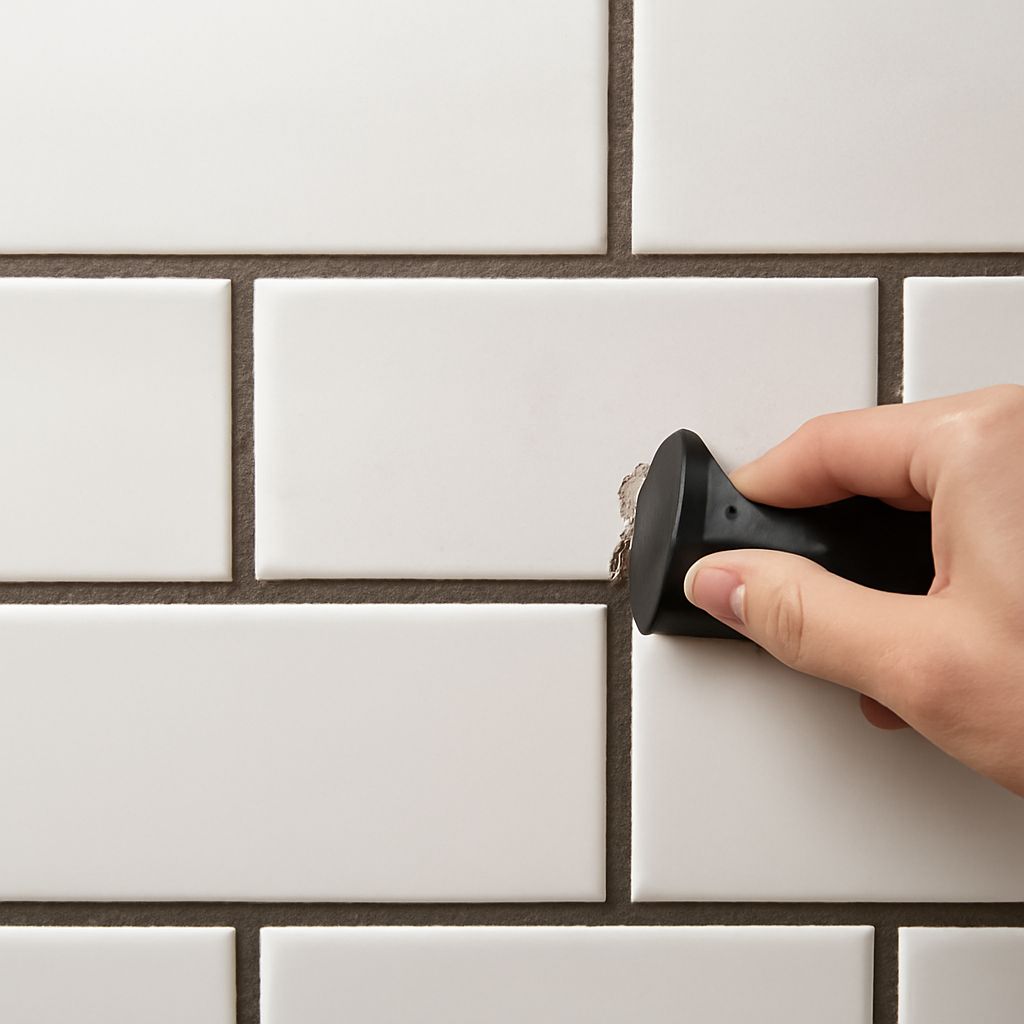
In bathrooms, brown grout pairs well with warm beige or cream floor tiles. In kitchen backsplashes with subway tile in ivory or cream, brown grout is an alternative to traditional gray that adds warmth without looking dated. Using brown-tinted grout around natural stone is especially effective because it echoes the mineral variations in the stone itself.
Pairing brown grout with tile colors
The intensity of your brown grout choice matters. A light sand-brown works with pale tiles; a deeper chocolate brown suits rustic or dark-toned installations. Avoid using very dark brown grout with white or very light tiles — the high contrast will emphasize every grout line. For a transitional look, mid-tone warm brown grout with a medium-toned tile creates visual balance without drama.
Red Grout and Bold Color Options
Using red grout is a committed design choice that delivers maximum visual impact. In Southwestern-style interiors with terracotta tile, red grout lines echo the adobe and clay color palette, reinforcing regional character. Red grout also pairs well with black or charcoal tile as an unexpected accent that adds energy to a monochromatic scheme.
Because red grout pigments are strong, selecting a red tone requires testing — apply a small amount to a sample board and view it under both natural and artificial lighting before committing. Bold grout colors cannot be easily changed without regrouting the entire surface. Consult a professional tile installer if you are working with natural stone, as highly pigmented grouts can stain porous materials permanently.
Clear Grout: When Invisible is the Goal
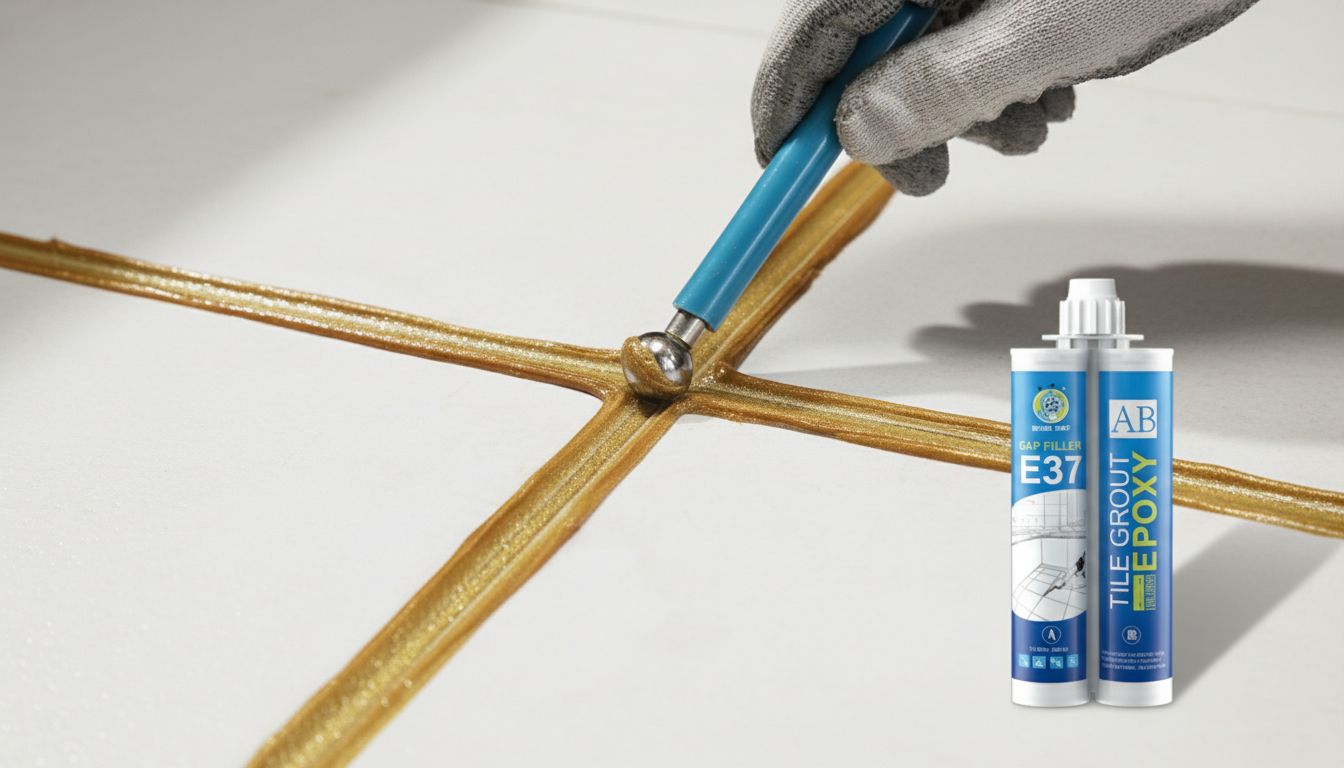
Choosing clear grout eliminates the grout line as a visual element entirely. Made from epoxy or specialized urethane formulas, clear grout allows the tile surface to read as one continuous plane. It is most popular in glass tile installations where any color in the joint would compete with the reflective, translucent tile body.
Installing clear grout successfully requires very precise tile spacing and a completely clean tile surface — any adhesive residue or haze shows through. Epoxy clear grout is stain-proof but more difficult to work with than cementitious grout, and cleanup must happen before it sets. For showers with glass mosaic tile, clear grout is worth the extra effort for the seamless, luminous result.
Oyster Gray and Oyster Grey Grout for Neutral Finishes
Oyster gray grout occupies a precise sweet spot in the neutral spectrum — warmer than cool gray, cooler than beige. This particular shade coordinates with an enormous range of tile colors, from white and off-white to warm taupe and light blue-gray. It is a top choice for large-format porcelain floors because the subtle line blends with the tile while still defining the layout.
The spelling difference — oyster grey grout versus oyster gray — simply reflects regional conventions and refers to the same color family. When shopping, compare physical color chips rather than relying on names alone, as different manufacturers use these terms for slightly different shades.
Oyster gray staying power in design trends comes from its versatility: it looks equally at home in a sleek contemporary bathroom, a cottage-style kitchen, and a transitional master suite. For tile projects where you want a timeless, low-maintenance result, it is one of the safest and most rewarding grout selections available.