Siding Installation Cost: What to Expect for Vinyl, Cedar, and More
Understanding siding installation cost before you hire a contractor saves you money and prevents surprises. Whether you are weighing western red cedar siding for its natural warmth or crunching numbers on the cost to replace vinyl siding, knowing what drives pricing puts you in control. This guide walks you through material options, labor rates, and smart strategies to get the most from your siding budget.
From traditional western cedar siding planks to maintenance-free vinyl, each material carries different upfront and lifetime costs. Red cedar siding commands a premium but delivers unmatched curb appeal and natural insulation. Read on for a complete breakdown by material, region, and project scope.
Understanding Siding Installation Cost Factors
The total cost of installing new siding depends on several variables. Labor typically accounts for 50 to 70 percent of the final invoice. Local wage rates, project complexity, and the condition of your existing sheathing all push that number up or down.
Material choice is the second biggest driver. Vinyl sits at the lower end, averaging $3 to $8 per square foot installed. Installing new panels over old siding costs less than a full tear-off. Taller homes with steep pitches require scaffolding, adding $1 to $2 per square foot to the estimate.
Other factors include:
- Trim and corner pieces, which add 10 to 15 percent to material costs
- Removing and disposing of existing siding ($0.50 to $2 per square foot)
- Moisture barrier or house wrap replacement if damaged
- Geographic region — coastal markets often run 20 to 30 percent higher
Western Red Cedar Siding: Premium Appeal and Pricing
Western red cedar siding is one of the most sought-after natural siding materials. Its tight grain, natural oils, and rich reddish-brown tones make it a top choice for craftsman, ranch, and contemporary homes. Expect to pay $6 to $12 per square foot for cedar bevel siding installed by a professional.
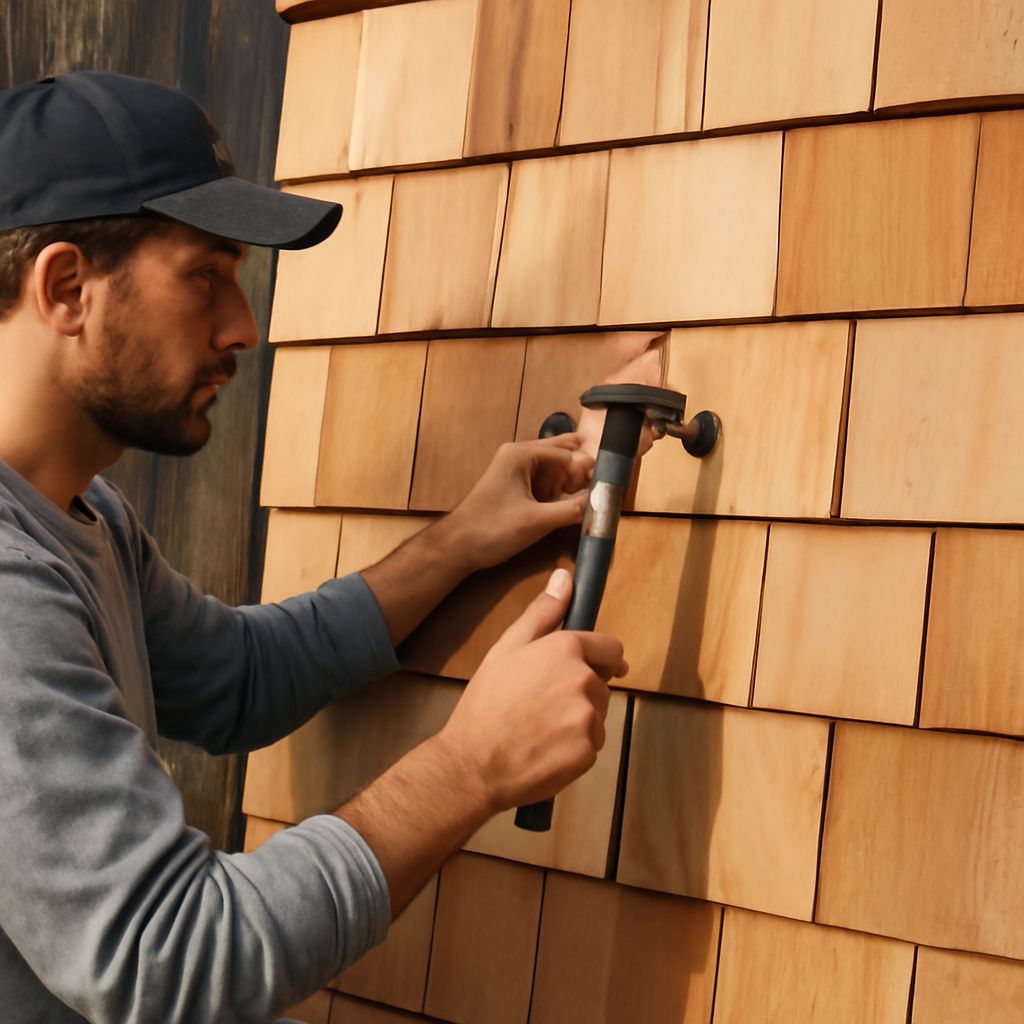
Installing western cedar panels requires more skill than vinyl — boards must be back-primed, spaced correctly, and nailed with stainless or hot-dipped galvanized fasteners to prevent staining. The labor premium over vinyl is real, but so is the payoff: properly maintained cedar can last 30 to 50 years.
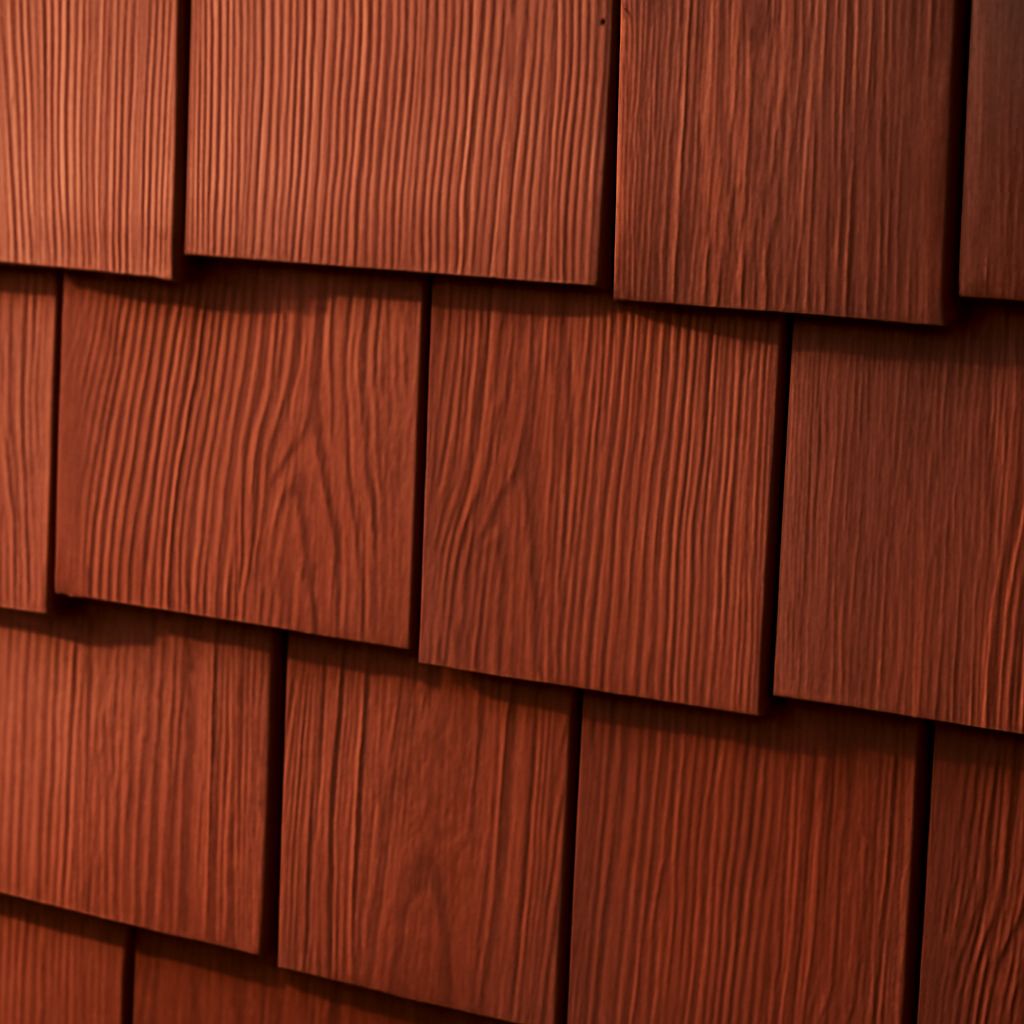
Cedar comes in several profiles: bevel, shakes, shingles, and tongue-and-groove. Bevel is the most common and the least expensive to install. Cedar shingles cost more to apply but create a distinctive textured look. Whichever profile you choose, budget for a quality primer and two finish coats.
Cost to Replace Vinyl Siding vs. Cedar Options
The cost to replace vinyl siding on a typical 1,500-square-foot single-story home runs $7,000 to $16,000 all-in, including removal, labor, and materials. High-end insulated vinyl pushes that figure to $18,000 to $22,000 but lowers heating and cooling bills by 10 to 20 percent.
Swapping out existing siding for red cedar siding on the same home runs $12,000 to $25,000 or more depending on profile and finish. The gap is significant, but cedar adds resale value that vinyl typically cannot match in higher-end markets.
When comparing vinyl and cedar, factor in maintenance costs over a 20-year window. Vinyl requires virtually no upkeep beyond occasional washing. Cedar needs repainting or re-staining every 5 to 8 years at roughly $2,000 to $5,000 per cycle.
How to Get the Best Value on Western Cedar or Red Cedar Siding
Getting value from western cedar siding or red cedar siding installation starts with choosing the right contractor. Always collect at least three written bids that itemize labor, materials, waste removal, and warranty terms separately.
Buy cedar in late winter or early spring when demand is lowest. Ask suppliers about finger-jointed cedar, which uses shorter pieces bonded together — it costs 15 to 25 percent less than clear grain and performs equally well once painted.
Consult a licensed siding contractor when your home has significant moisture damage, complex trim details around dormers or bay windows, or when you are replacing more than 500 square feet at once.
Next steps: Measure your home square footage, add 10 percent for waste, then multiply by your material cost per square foot. Get quotes from three local contractors, check their references, and confirm they carry general liability and workers compensation insurance before signing any contract.