How to Remove Mold from Grout: Cleaners, Natural Solutions, and Prevention
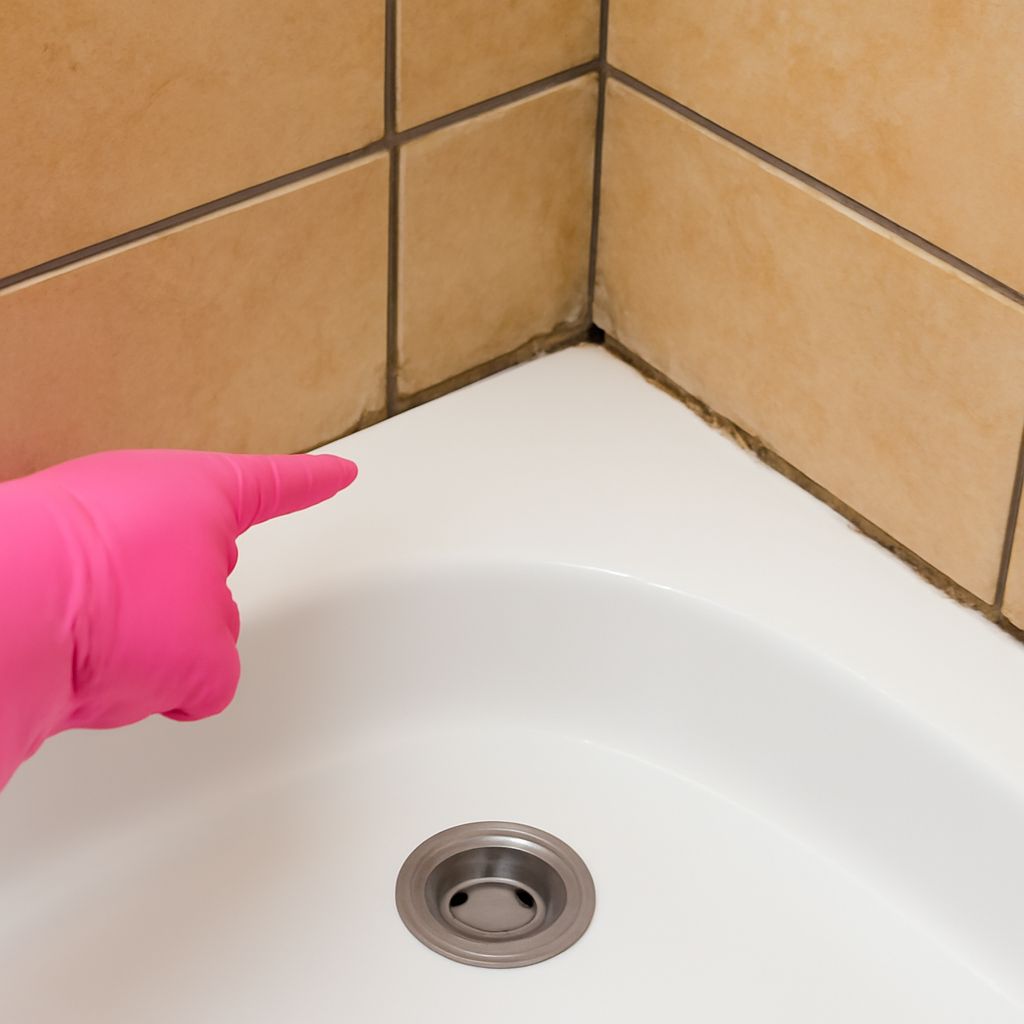
Black or gray spots along your shower grout lines are not just unsightly. They signal active mold or mildew that can worsen with humidity and spread to adjacent surfaces. Knowing how to remove mold from grout before it penetrates deeply saves you from having to regrout the entire area. Whether you prefer chemical cleaners or want to know how to clean mold in shower grout naturally, this guide gives you effective methods for every severity level, from light surface staining to deeply embedded growth.
You will also learn how to clean moldy grout safely, how to get mold out of grout lines that chemical sprays alone cannot touch, and what steps to take after cleaning so the problem does not return within weeks.
Why Mold Grows in Grout and When It Becomes a Health Concern
Grout is porous, especially unsealed cement-based grout, and it retains moisture between its microscopic particles. Combined with the warmth and organic soap residue present in showers, this creates an ideal environment for mold spores to colonize. Light surface mildew is common and easy to remove mold from grout at the surface level. Darker, penetrating black mold is more stubborn and can indicate a moisture problem behind the tile that needs investigation. If you notice soft or crumbling grout, musty odors from inside the wall, or mold that reappears within days of cleaning, consult a water damage or mold remediation professional since the issue may extend beyond surface cleaning.
How to Clean Moldy Grout with Bleach-Based Cleaners
Bleach-based products are the fastest and most effective option for sanitizing moldy tile grout in showers and bathrooms. Ventilate the area by opening windows and turning on the exhaust fan before you start, and wear gloves and eye protection. Apply a bleach spray or gel directly to the discolored grout lines since gel formulas cling to vertical surfaces better than liquids. Let it dwell for 10 to 15 minutes since bleach needs contact time to kill mold spores, not just bleach the visible staining. Scrub with a stiff-bristled grout brush using firm, short strokes along the grout line direction. Rinse thoroughly with clean water and allow the area to dry completely before the next shower use. Never mix bleach with ammonia-based cleaners or vinegar since the combination creates toxic fumes.
How to Clean Mold in Shower Grout Naturally
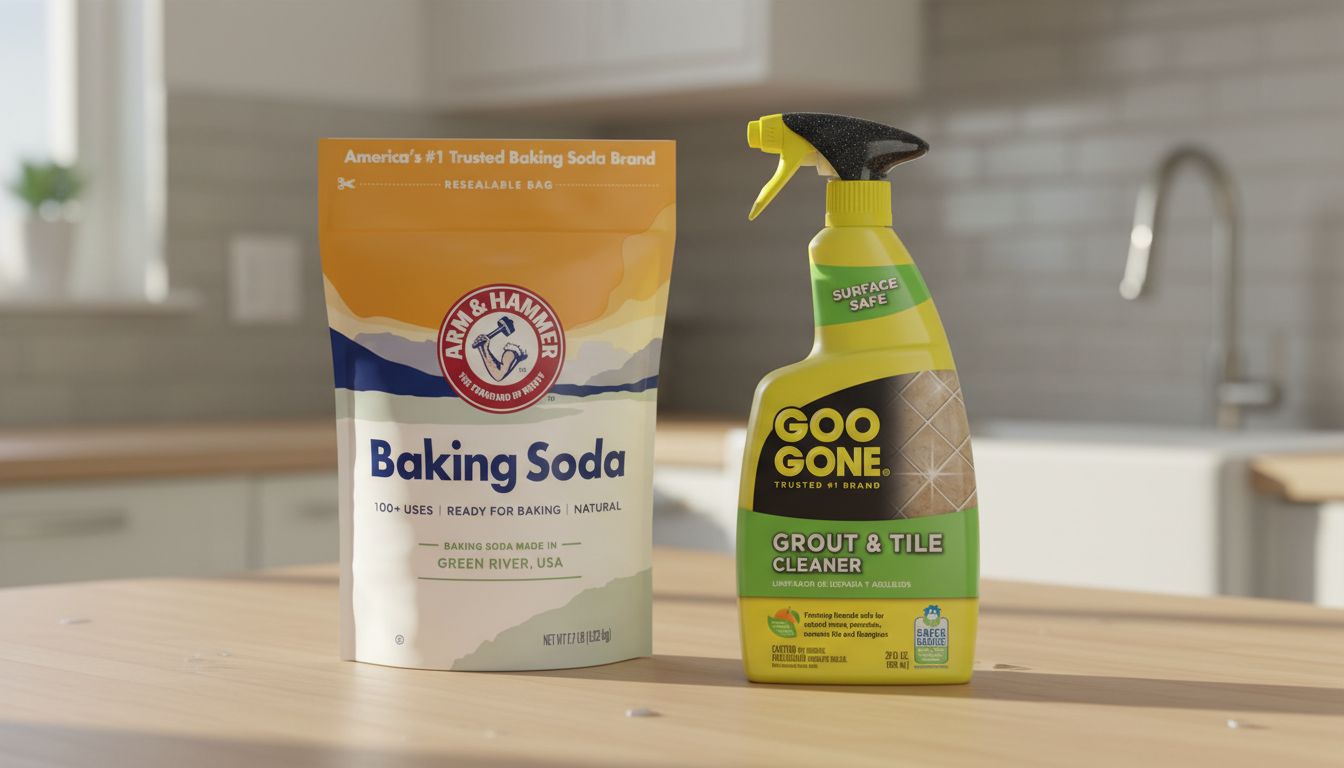
If you prefer to clean mold in shower grout naturally, several household products are genuinely effective for mild to moderate mold growth. Baking soda paste made from 3 parts baking soda and 1 part water, applied to grout lines and left for 10 minutes before scrubbing, provides gentle abrasion and mild antifungal action. White vinegar sprayed undiluted on shower grout kills up to 82 percent of mold species on contact according to published research. Hydrogen peroxide at 3 percent from the pharmacy also effectively removes mold from grout without harsh fumes: apply, wait 10 minutes, scrub, and rinse. Tea tree oil diluted in water (2 teaspoons per cup) is a popular natural option that leaves a residual antimicrobial effect, though it is more expensive at scale.
How to Get Mold Out of Grout Lines: Stubborn Stain Tactics
When standard sprays fail to get mold out of grout lines completely, the staining has likely penetrated below the surface. For deeply stained grout, try applying a commercial oxygen bleach powder mixed to a paste and leaving it overnight under plastic wrap to keep it moist. Repeat two or three times before concluding the grout stain is permanent. If the discoloration persists after multiple treatments, grout colorant or grout paint can restore the appearance without full replacement. For truly failed or mold-saturated grout, mechanical removal with an oscillating multi-tool and replacement with fresh, mold-resistant epoxy grout is the definitive solution.
Preventing Mold Regrowth After Cleaning
Removing mold from grout is only half the battle since preventing regrowth requires addressing the underlying moisture conditions. After cleaning, seal porous cement grout with a penetrating silicone or fluoropolymer grout sealer and reapply annually. Run your bathroom exhaust fan during and for 15 minutes after every shower. Fix any leaking faucets, showerheads, or supply lines that maintain ambient humidity. Squeegee shower walls after each use since this single habit reduces mold regrowth dramatically by removing the moisture film that spores need to colonize.
Next steps: After your cleaning session, apply a penetrating grout sealer and establish a weekly maintenance spray routine using a diluted white vinegar solution or a commercial daily shower spray. If mold returns within two weeks of a thorough cleaning, schedule an inspection for leaks or inadequate ventilation rather than repeating the cleaning cycle indefinitely.