Drywall Services: What to Expect and How to Choose Right
When you need walls built, patched, or finished, drywall services cover the full range of work — from hanging raw sheets to the final skimcoat that goes under paint. The quality gap between a skilled crew and a budget hire shows up fast once the lights go on. This guide helps you understand what you’re buying, how to screen drywall contractors, and when bundling drywall and painting under one contract saves you money.
Whether you’re finishing a basement, repairing water damage, or building out a new room, the right drywall contractor makes the difference between walls you forget about and walls that need redoing in two years.
What Drywall Services Actually Cover
New Construction vs. Repair Work
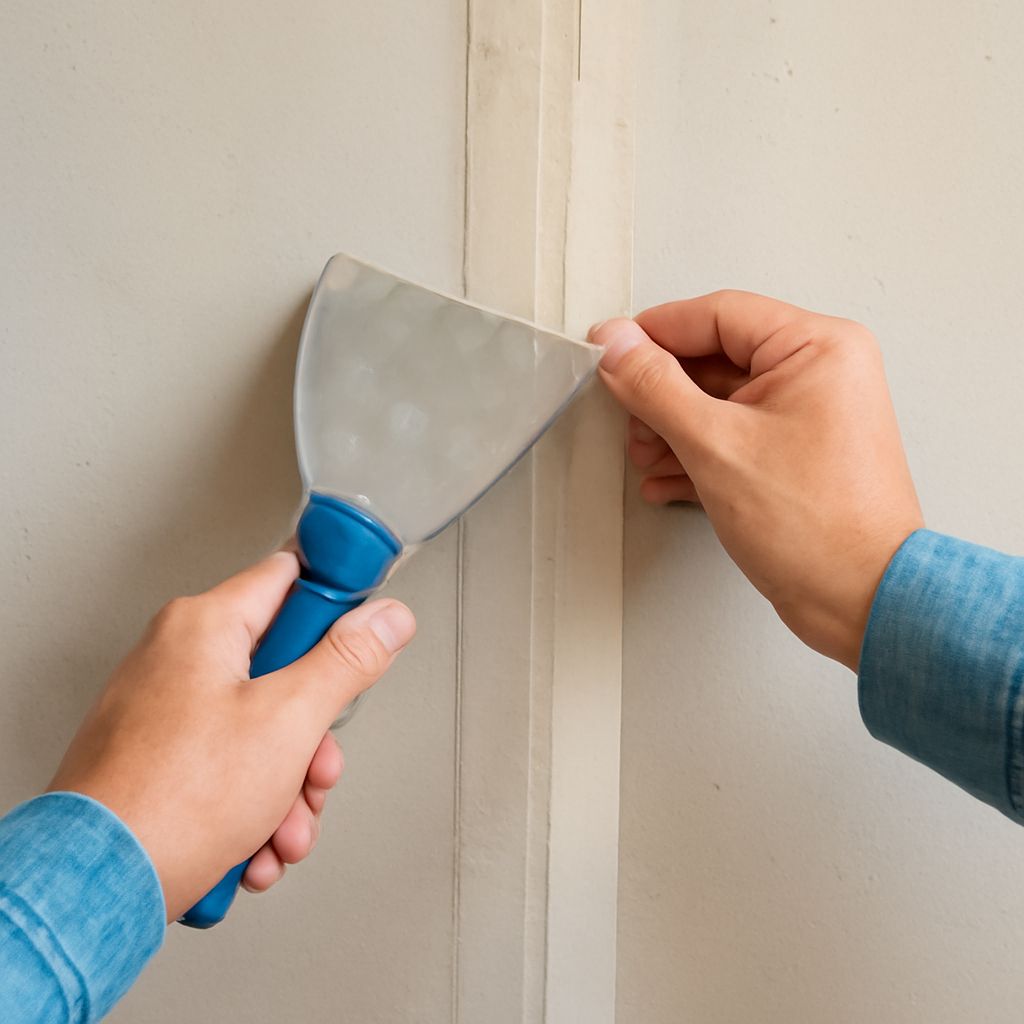
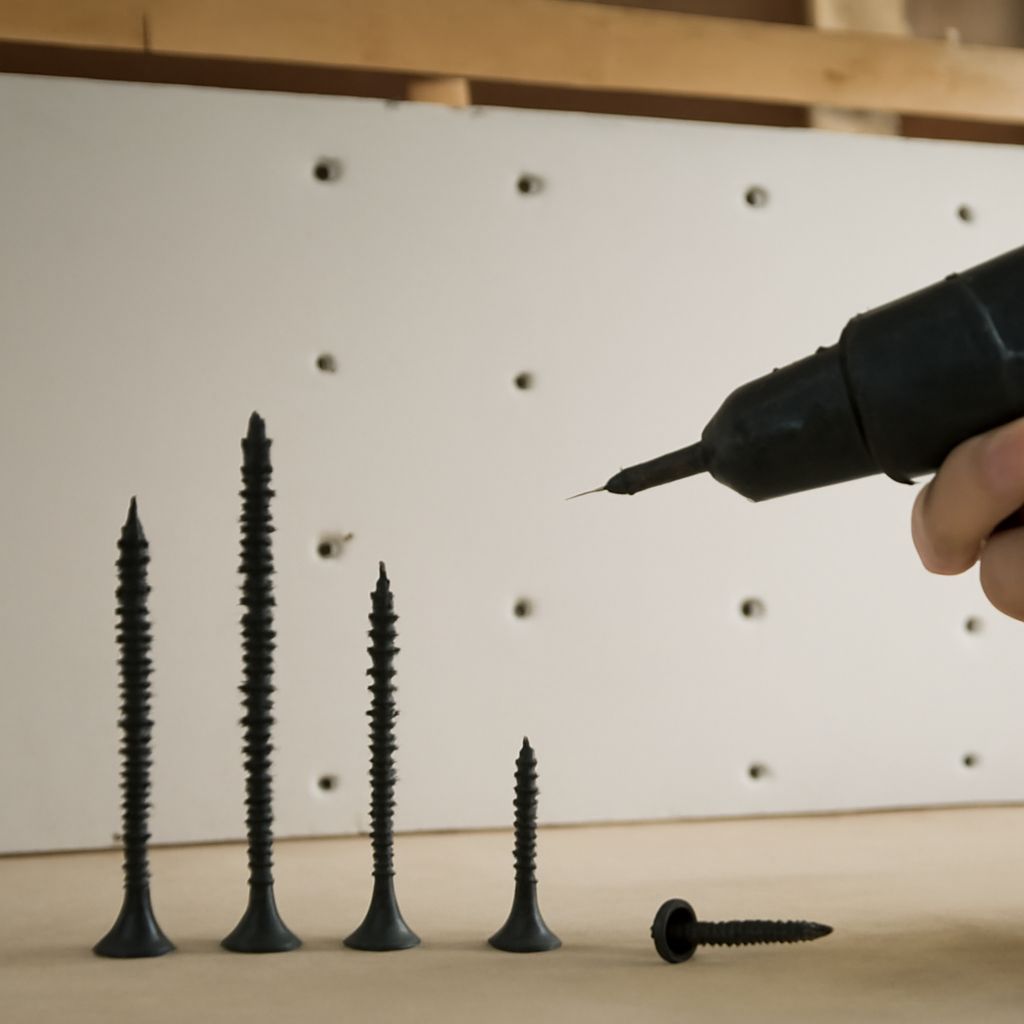
On new builds and remodels, drywall work breaks into three phases: hanging (fastening sheets to studs), taping (applying joint compound and mesh tape at seams and corners), and finishing (sanding smooth through multiple coats). Each phase takes a different skill set. Some crews specialize in hanging and outsource finishing; others handle everything from framing to Level 5 finish.
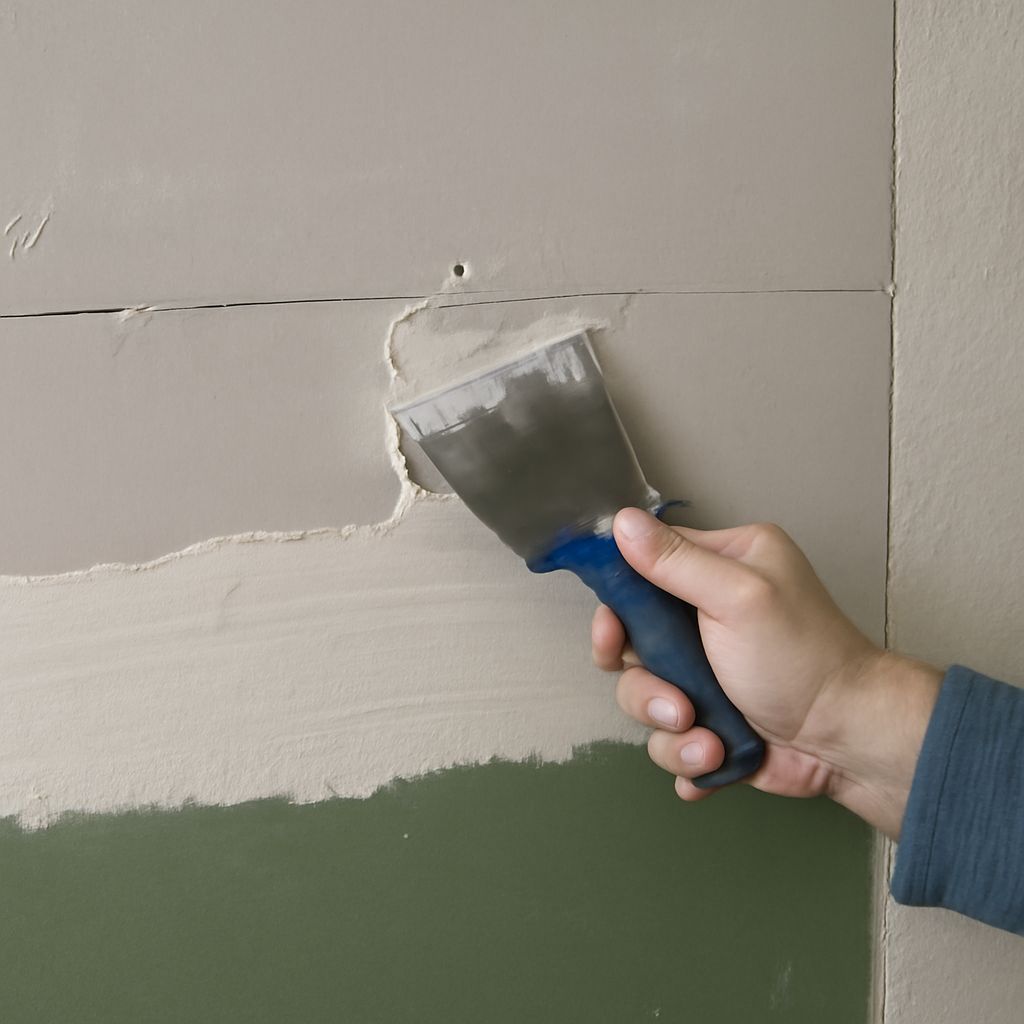
Repair work is different. Patching a water-damaged section means matching the existing texture — a popcorn ceiling, an orange peel wall, or a smooth plaster-style finish. A general handyman can fill a small hole, but getting a seamless match on a visible wall is a job for someone who has done it hundreds of times.
When to Call a Drywall Specialist
Some situations genuinely need a drywall specialist rather than a generalist:
- Curved or arched walls where flexible board is required
- Sound-rated assemblies that require double-layer hanging with acoustic caulk
- Fire-rated corridors in commercial or multi-family buildings
- Mold remediation areas where paperless drywall is specified
If your project involves any of these conditions, ask directly whether the contractor has done that specific type of work before. Experience with standard residential drywalling doesn’t automatically transfer.
How to Vet Drywall Contractors
Licenses, Insurance, and References
In most states, drywall contractors need a general contractor license or a specialty license to work legally. Ask for the license number and verify it through your state licensing board before signing anything. Equally important: general liability insurance (at least $1 million per occurrence) and workers’ compensation coverage. If a worker gets hurt on your property and the contractor has no workers’ comp, you could be liable.
Ask for three references from jobs completed in the last 12 months that are similar to yours in scope. Drive by if possible, or ask the reference directly: did the crew show up on time, clean up daily, and match the quoted price?
Getting Accurate Bids from Drywall Contractors
To compare bids fairly, every drywall contractor needs to quote against the same written scope. Include: square footage of walls and ceilings, finish level (Level 3, 4, or 5), type of drywall (standard, moisture-resistant, fire-rated), and who supplies materials. Some contractors mark up materials 20-30%; others price labor only. Know which you’re looking at before you decide who wins.
Three bids is the minimum. If one comes in significantly below the others, ask how — it’s usually lower-grade materials, fewer coats, or a crew that skips the sanding step.
Combining Drywall and Painting Services
Bundling drywall and painting with one contractor or one coordinated subcontractor team has real advantages. The drywall crew knows the finish level the painters need, and the painters won’t be waiting two weeks for another trade to clear out. You also have one point of contact if something looks wrong after paint goes on — no finger-pointing between separate trades.
The downside: not every drywall specialist is also a skilled painter. If the combined quote is competitive but you haven’t seen their painting work, ask for a reference on a drywall and painting job specifically. A smooth Level 5 finish shows every flaw in a paint job; you need both skills firing at the same level.
Typical Costs for Drywall Services
Labor costs for drywall work generally run $1.50-$3.50 per square foot for standard hanging and taping. Add finishing and the total installed cost (materials plus labor) usually lands between $2.50 and $5.00 per square foot for basic work. Level 5 finish, fire-rated assemblies, or difficult access areas push that number higher.
Repair work is priced differently — often by the patch, not the square foot. A single 12-inch hole might run $150-$300 depending on finish matching difficulty and your market.
Pro tips recap: Get your scope in writing before asking for bids. Verify licenses and insurance before any work starts. And when drywall and painting fall under one contractor, confirm you’ve seen samples of both skills — not just the one they lead with.