Spray Foam Insulation Contractors: How to Choose the Right Installer
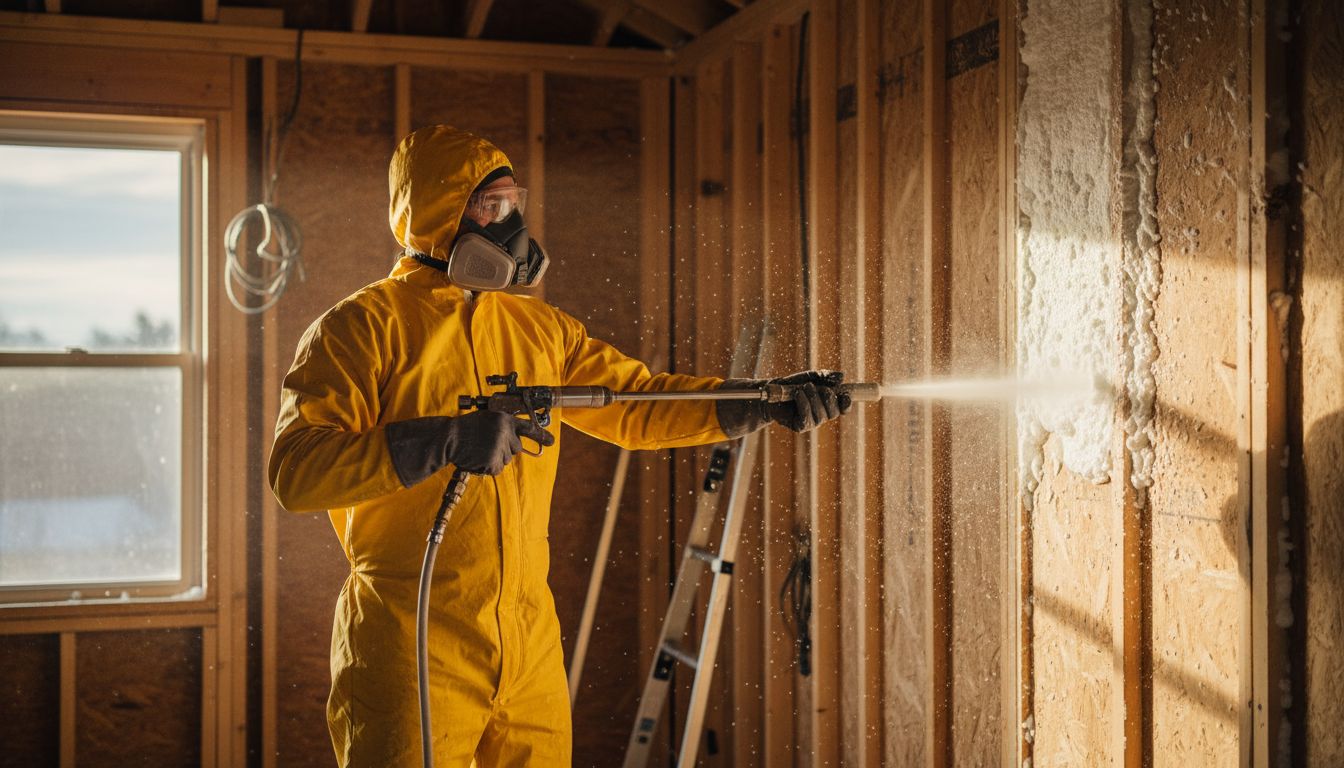
Spray foam insulation contractors do work that’s difficult to reverse if done incorrectly. Unlike blown in insulation contractors who add loose-fill material to existing cavities, spray foam installers apply a two-component product that expands, cures, and bonds permanently to the surface. Getting the mix ratio, temperature, and application technique right matters a lot, and that depends entirely on who’s doing the work. This guide helps you evaluate foam insulation installers and understand what separates quality work from problems you might not notice until much later.
You’ll also find information on how us insulation standards apply to spray foam, when blown insulation contractors are the better choice for your project, and the key differences between open-cell and closed-cell spray foam that affect which type of installer you need.
What Spray Foam Insulation Contractors Actually Do
Equipment and Certification Requirements
Professional foam insulation installers use proportioning equipment that heats and mixes the A and B components at precise ratios before spraying. This equipment costs tens of thousands of dollars and requires regular maintenance and calibration. Contractors who cut corners on equipment quality produce foam with off-ratio chemistry, which means it cures soft, may off-gas indefinitely, and won’t deliver the R-value stated on the product data sheet.
The Spray Polyurethane Foam Alliance (SPFA) offers a certification program for spray foam insulation contractors. SPFA-certified foam insulation installers have completed training on application technique, safety protocols, and building science basics. Certification isn’t a guarantee of quality on every job, but it’s a meaningful baseline. Ask for it.
Open-Cell vs. Closed-Cell: Different Skills Required
Open-cell spray foam expands significantly and is used for interior cavity filling, sound dampening, and air sealing in climate-controlled spaces. Closed-cell spray foam is denser, water-resistant, and used in crawl spaces, rim joists, rooflines, and exterior applications. Applying closed-cell foam requires tighter control of spray thickness per pass to avoid exothermic heat buildup that causes cracking. The best spray foam contractors know when each type is appropriate and apply it correctly.
Blown In Insulation Contractors: When Blown-In Is the Better Call
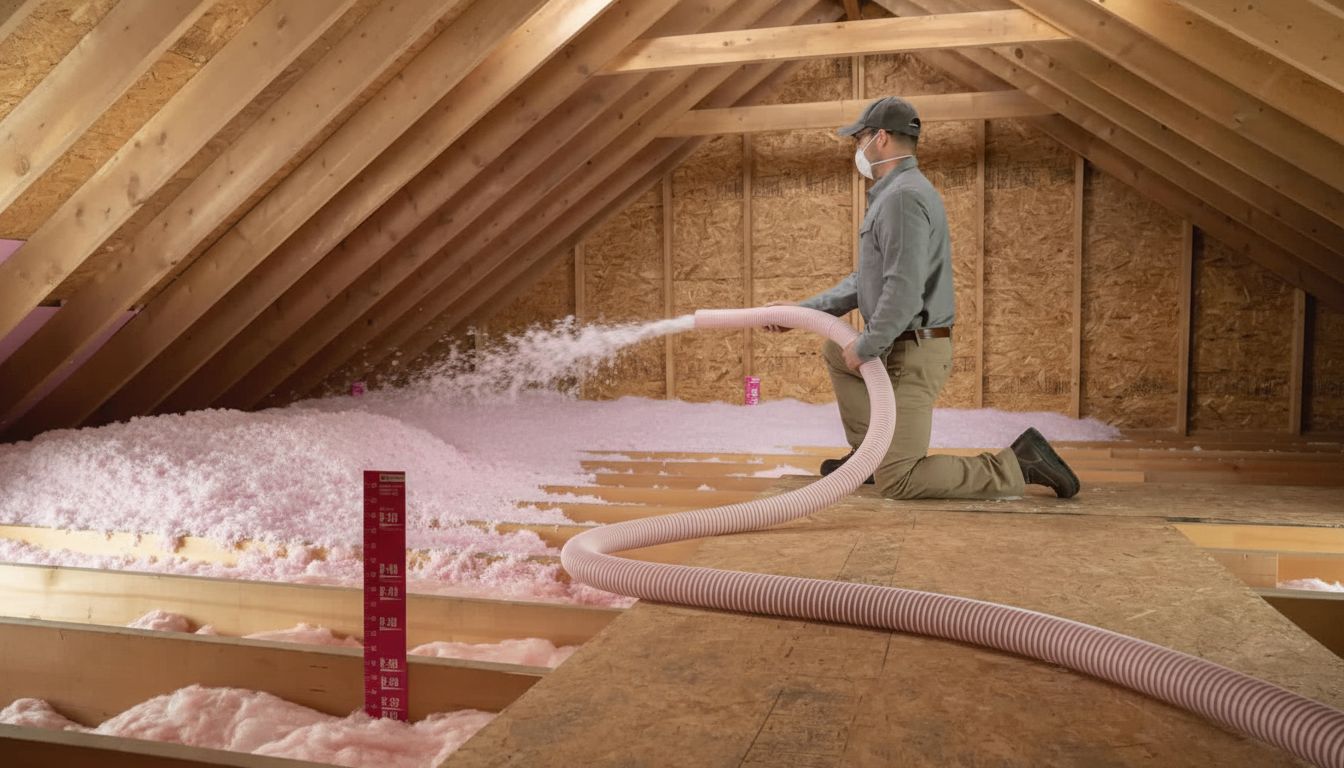
Not every project needs spray foam. Blown in insulation contractors install cellulose or fiberglass fill into attics, wall cavities, and existing ceiling assemblies at a fraction of the cost. If your attic lacks insulation depth or you need to add R-value without opening walls, blown insulation is faster to install and easier to supplement later. Blown insulation contractors need less specialized equipment and there are more of them in most markets, which keeps prices competitive.
When you need air sealing plus insulation in one step, spray foam is typically the better tool. When you need added R-value in accessible cavities without air sealing, blown-in wins on cost and disruption.
US Insulation Standards and What They Mean for Your Project
US insulation requirements vary by climate zone. The International Energy Conservation Code (IECC) sets minimum R-values by building assembly type and climate zone. Climate zone 6 (northern US) requires significantly higher R-values than zone 2 (southern states). Spray foam insulation contractors working in your area should know your zone’s requirements and specify foam thickness accordingly. If a contractor proposes R-13 closed-cell in a climate zone that requires R-20, that’s a problem you need to address before work starts.
For commercial projects, check whether your jurisdiction requires third-party inspection of spray foam installation. Some areas require a thermal imaging scan after application to verify coverage.
Questions to Ask Before Hiring
Run through these before signing any contract with spray foam insulation contractors:
- Are you certified by SPFA or another recognized body?
- What brand of product do you use, and can you provide the product data sheet?
- How do you verify that your equipment is calibrated and producing on-ratio foam?
- What PPE do you require occupants to avoid during and after application?
- How long before re-occupancy after closed-cell foam is sprayed?
Pro tips recap: Check for SPFA certification and ask for equipment calibration documentation. Specify open-cell or closed-cell based on your application, not just price. Confirm that the proposed foam thickness meets your climate zone’s IECC requirements. Get at least two bids from foam insulation installers who can provide project references, and factor in the re-occupancy timeline when scheduling work.