Drywall Sheets: Sizes, Prices, and How to Choose the Right Type
Drywall sheets are the most common interior wall material in American construction, and most homeowners have a basic sense of what they look like. But understanding drywall price variations, when a 4×4 drywall panel makes more sense than a standard 4×8, and how sheets of drywall differ by type and thickness, saves you money and time on any project. This guide covers the main sizes, drywall sheet cost by type, and the practical decisions that determine what you should actually buy.
Whether you’re patching a wall, finishing a basement, or hanging an entire room, knowing your options before you walk into the store means you won’t overpay for specialty sheets when standard ones work, and you won’t buy the wrong type for a moisture-prone area.
Drywall Sheet Sizes and When to Use Each
Standard 4×8 and 4×12 Panels
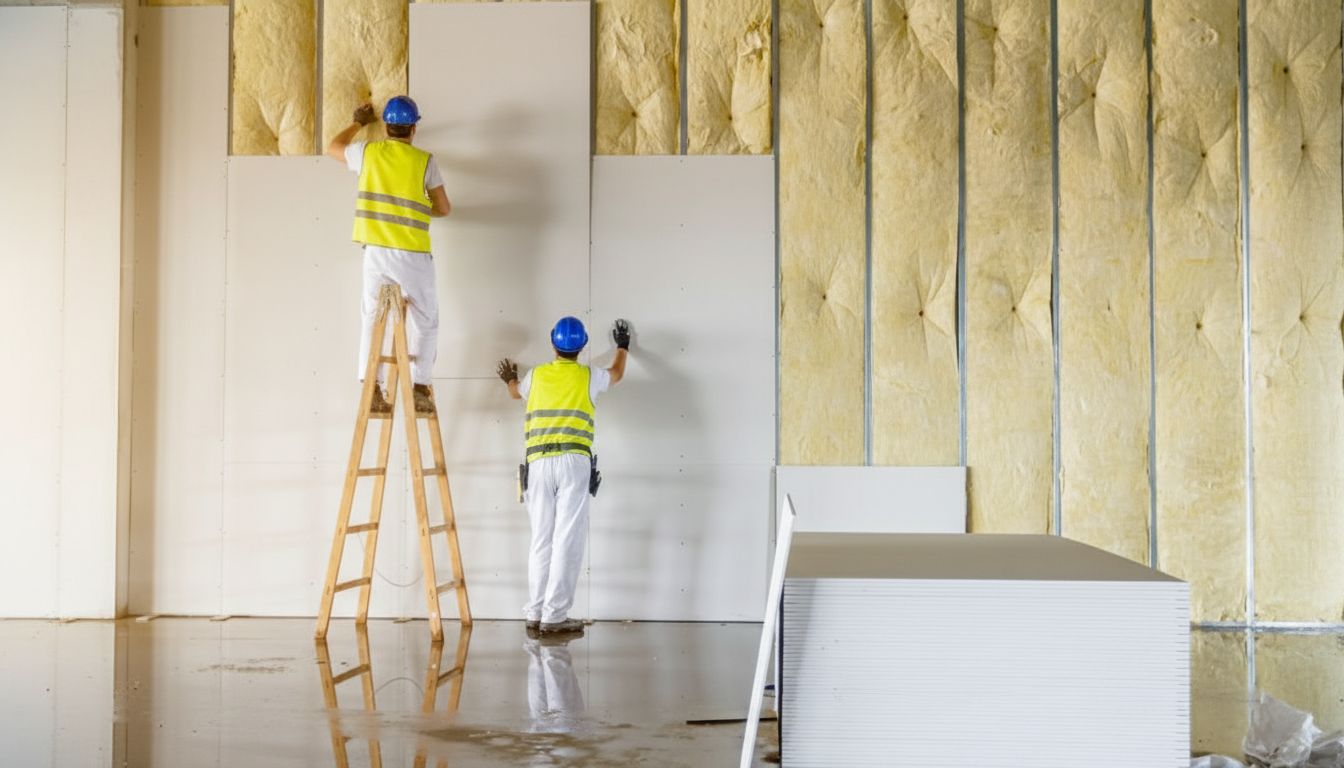
The 4×8 panel is the default for most residential projects. Sheets of drywall in this size weigh about 54 pounds for 1/2-inch thickness and fit through doorways and up stairways without major difficulty. Most home centers stock 4×8 panels in all common thicknesses. For rooms with 8-foot ceilings, horizontal installation of 4×8 sheets with a 4-foot lift minimizes seams.
4×12 panels reduce seams in long runs but require more handling effort and a drywall lift for ceiling work. They’re worth the extra effort in open-plan spaces where minimizing joints is a priority. Longer panels also cost slightly more per sheet but often less per square foot because you’re wasting less material to joints.
4×4 Drywall Panels
4×4 drywall panels are a specialty size used primarily for patches, repairs, and small areas where a full 4×8 sheet would be wasteful or difficult to maneuver. Many home centers stock 4×4 drywall in 1/2-inch thickness alongside standard sizes. The drywall sheet cost for a 4×4 panel typically runs $10 to $18 depending on type and location, compared to $12 to $22 for a standard 4×8. If you’re only patching a small section of wall, 4×4 drywall is far more practical than buying a full-size sheet.
Drywall Price by Type and Thickness
Standard vs. Moisture-Resistant vs. Fire-Rated
Standard 1/2-inch drywall sheets are the baseline product for most interior walls and ceilings. Drywall price for a standard 4×8 sheet runs $12 to $22 at most home centers, varying by market and thickness. 5/8-inch type-X fire-rated drywall costs $15 to $28 per sheet and is required in garages, mechanical rooms, and assemblies that need a fire-resistance rating. Moisture-resistant drywall (often called greenboard) runs $18 to $35 per sheet and is appropriate for bathrooms and areas with occasional moisture exposure, but not wet areas like shower walls.
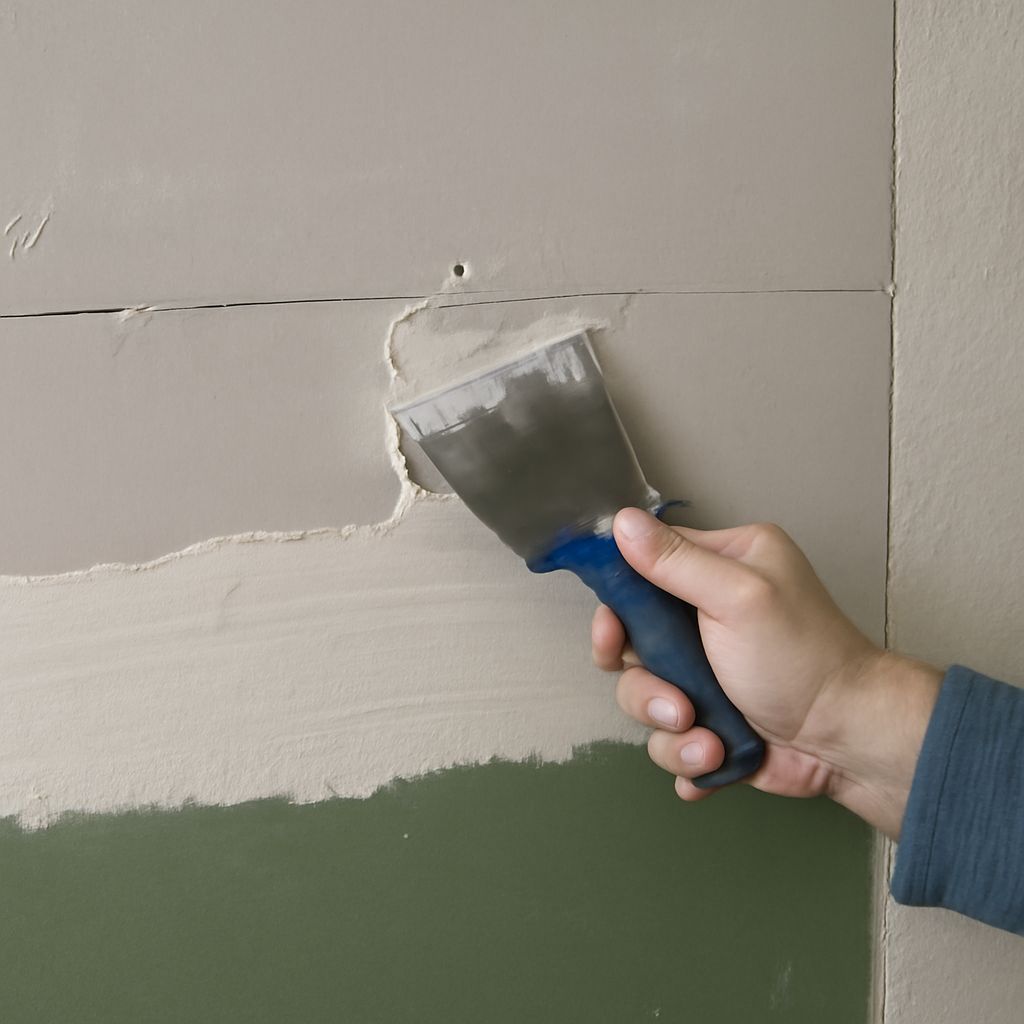
For shower walls and wet areas, cement board or glass mat tile backer is the correct product, not greenboard. Using standard drywall sheets or even moisture-resistant board behind tile in a shower leads to failure within a few years.
Lightweight vs. Standard Panels
Lightweight drywall sheets reduce weight by 20 to 30 percent compared to standard panels. The drywall sheet cost is slightly higher per sheet, but the reduced physical strain and easier handling make lightweight panels worthwhile for ceiling installations and for any project where you’re working alone. The structural performance of lightweight panels is comparable to standard sheets for most residential applications.
Estimating How Many Sheets of Drywall You Need
Calculate your wall and ceiling area in square feet, then divide by the coverage area of your chosen sheet size. A 4×8 sheet covers 32 square feet. Add 10 to 15 percent for waste from cuts at corners, windows, and outlets. For a room with 8-foot ceilings that’s 12 x 14 feet, total wall and ceiling area is roughly 600 square feet. You’d need about 19 to 21 sheets of 4×8 drywall after waste.
Order all material from the same production run if possible to minimize color variation in the paper facing. Different batches sometimes vary slightly in surface texture, which shows through paint.
Next steps: Measure your project area before going to the store. Choose the correct drywall type for each location, standard for living spaces, moisture-resistant for bathrooms, fire-rated for garages. Factor in 4×4 drywall for small repairs to avoid buying and transporting unnecessary material. Compare drywall price across local suppliers, since home center pricing and lumber yard pricing for sheets of drywall often differ by 15 to 25 percent.