Steel Building Insulation: Options, Prices, and Installation Guide
Steel building insulation is not a single product decision. It’s a system that has to address thermal bridging through metal framing, condensation control, vapor management, and R-value performance across a range of climates and building uses. If you’re insulating a warehouse, a shop, or any steel structure, warehouse insulation choices look different from residential work, and the stakes for getting it wrong are higher because of the scale involved. This article covers the main product categories, including blanket insulation for metal buildings, roof applications, and where metal building insulation prices land for each system.
Whether you’re calculating metal building roof insulation for a new pole barn or retrofitting an existing steel warehouse, understanding what each product does and what it costs before you order saves real money and prevents performance problems later.
Blanket Insulation for Metal Buildings: The Standard System
How Vinyl-Faced Fiberglass Blankets Work
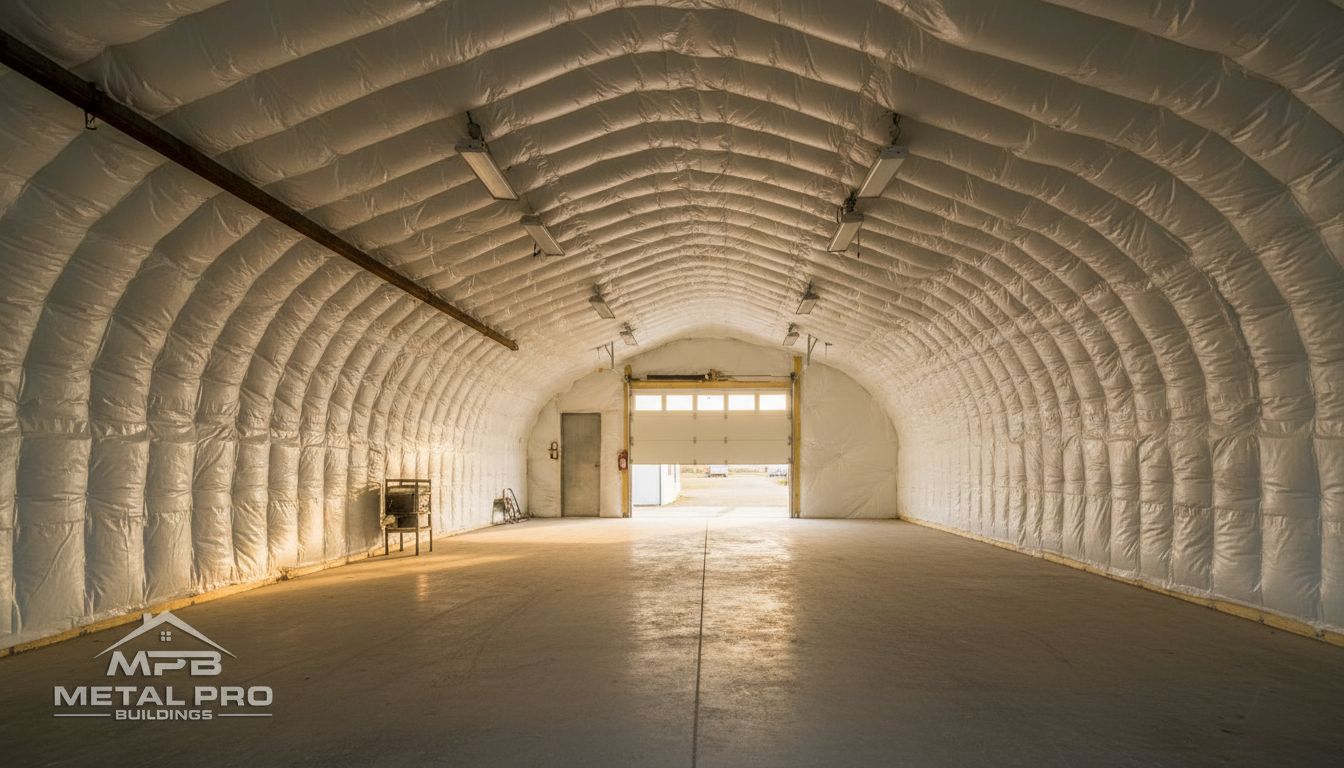
Vinyl-faced fiberglass blanket insulation for metal buildings installs between purlins and girts before cladding goes on. The vinyl facing faces the interior and acts as both a vapor retarder and a finished surface. This is the most common steel building insulation system for agricultural, light industrial, and storage applications. It’s cost-effective, reasonably fast to install, and available in R-values from R-6 to R-30.
The system works well for unconditioned or occasionally heated spaces like storage warehouses, equipment sheds, and barns. For climate-controlled spaces, it often falls short of real-world R-value performance because it doesn’t break the thermal bridge through the metal framing members themselves.
Thermal Bridging and Why It Matters
Steel conducts heat roughly 300 times better than wood. When metal framing connects the cold exterior to the conditioned interior, heat bypasses the insulation entirely through the framing. A building with R-19 blanket insulation for metal buildings between purlins but no thermal break on the purlins themselves may perform at effective R-12 or less in cold weather. This is why conditioned steel buildings need either continuous insulation over the framing or a thermal spacer system that separates the cladding from direct contact with the framing.
Metal Building Roof Insulation: The Critical Assembly
The roof is where steel buildings lose the most energy, because heat rises and roofs have the largest exposed area. Metal building roof insulation choices affect both energy performance and condensation risk. Vinyl-faced blankets draped over roof purlins before panels are installed are the entry-level approach. For better performance, a standing-seam roof with a thermal spacer and continuous rigid foam over the purlins eliminates bridging and delivers real-world R-values that match the rated performance.
For retrofitting existing roofs without tearing off the panels, low-slope metal roofs can accept spray foam applied directly to the underside of the roof deck from inside, which simultaneously stops condensation at the surface, seals air infiltration, and adds R-value. This is often the most practical retrofit for warehouse insulation on an occupied building.
Steel Building Insulation Systems for Conditioned Spaces
Rigid Foam Over Framing
Polyiso or XPS rigid board installed continuously over the exterior face of framing before cladding breaks the thermal bridge. Adding 2 inches of polyiso delivers R-12 to R-13 of bridge-free insulation. Combined with a fiberglass batt between framing members, total effective R-value for a conditioned shop or office can reach R-25 or better. This system costs more upfront than blankets alone but performs significantly better year-round.
Spray Foam for Highest Performance
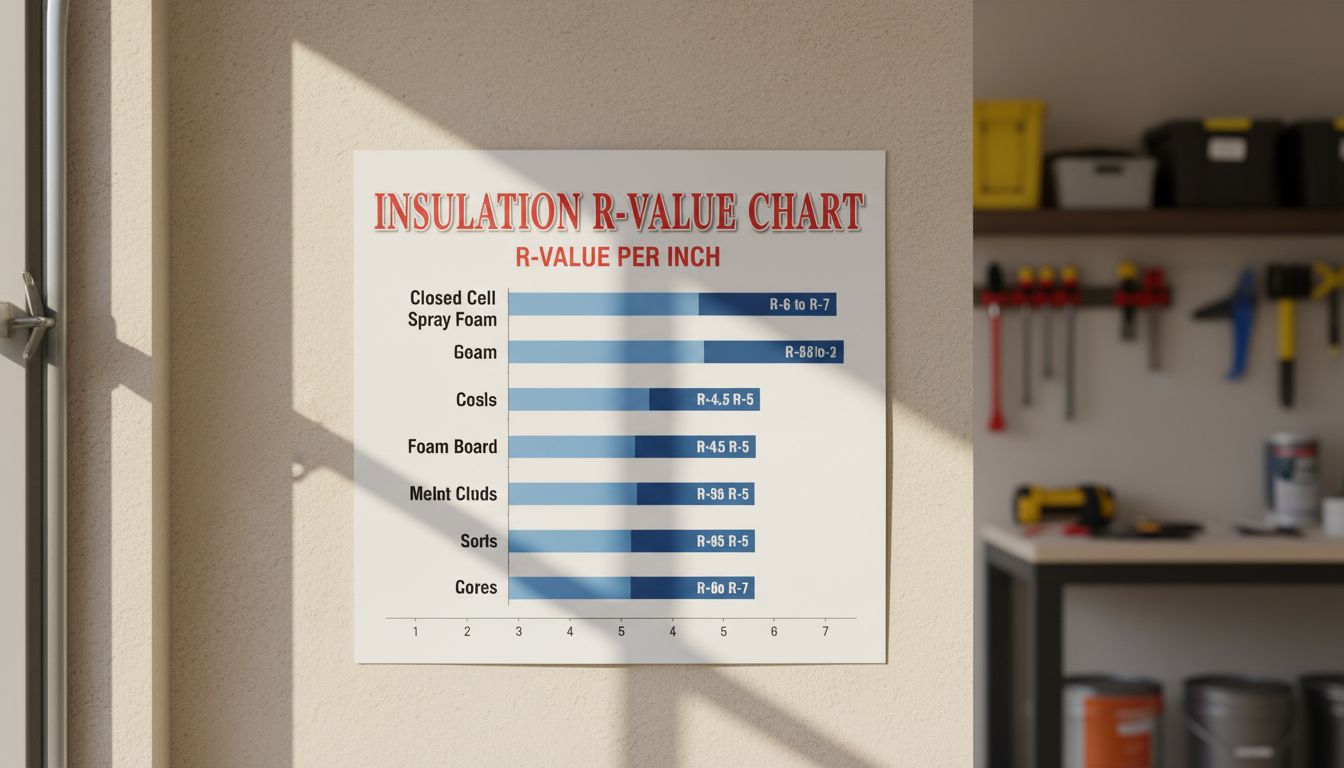
Closed-cell spray foam applied directly to the interior face of roof and wall panels delivers R-6 to R-7 per inch, stops condensation at the metal surface, and creates an air barrier in one application. It’s the highest-performing option for steel building insulation in climate-controlled facilities. Metal building insulation prices for spray foam run significantly higher than blanket systems, but energy savings and moisture control often justify the cost for heated and cooled spaces.
Metal Building Insulation Prices: What to Budget
Blanket insulation for metal buildings typically costs $0.40 to $0.90 per square foot for material, depending on R-value and facing type. Rigid foam board adds $0.50 to $1.50 per square foot depending on thickness. Spray foam applied professionally runs $1.50 to $3.50 per square foot for closed-cell. Warehouse insulation projects at scale often qualify for volume pricing from metal building suppliers who stock blanket systems sized to specific purlin spacings.
Bottom line: Match your steel building insulation system to the intended use of the space. Blanket insulation covers storage and agricultural needs cost-effectively. Conditioned spaces need a thermal break in addition to cavity fill. Budget for the complete system, not just the R-value on the label, to get performance that matches what you’re paying for.