Fuse Box vs Circuit Breaker: Differences, Upgrades, and Safety
The fuse box vs circuit breaker question matters most when you’re buying an older home, dealing with recurring electrical problems, or planning a panel upgrade. Both protect circuits from overcurrent, but they do it differently, and the gap in modern safety and convenience is significant. This guide covers how each system works, what the main circuit breaker does that fuses can’t, and when a circuit breaker fuse hybrid situation shows up in residential and automotive systems. You’ll also get a clear look at the difference between fuse and circuit breaker protection so you can make an informed decision about your own electrical panel.
If you’ve wondered about the automotive circuit breaker vs fuse debate for car modifications or restorations, the comparison applies at that scale as well, and this guide covers both.
How Fuse Boxes and Circuit Breakers Work
Fuses: One-Time Protection
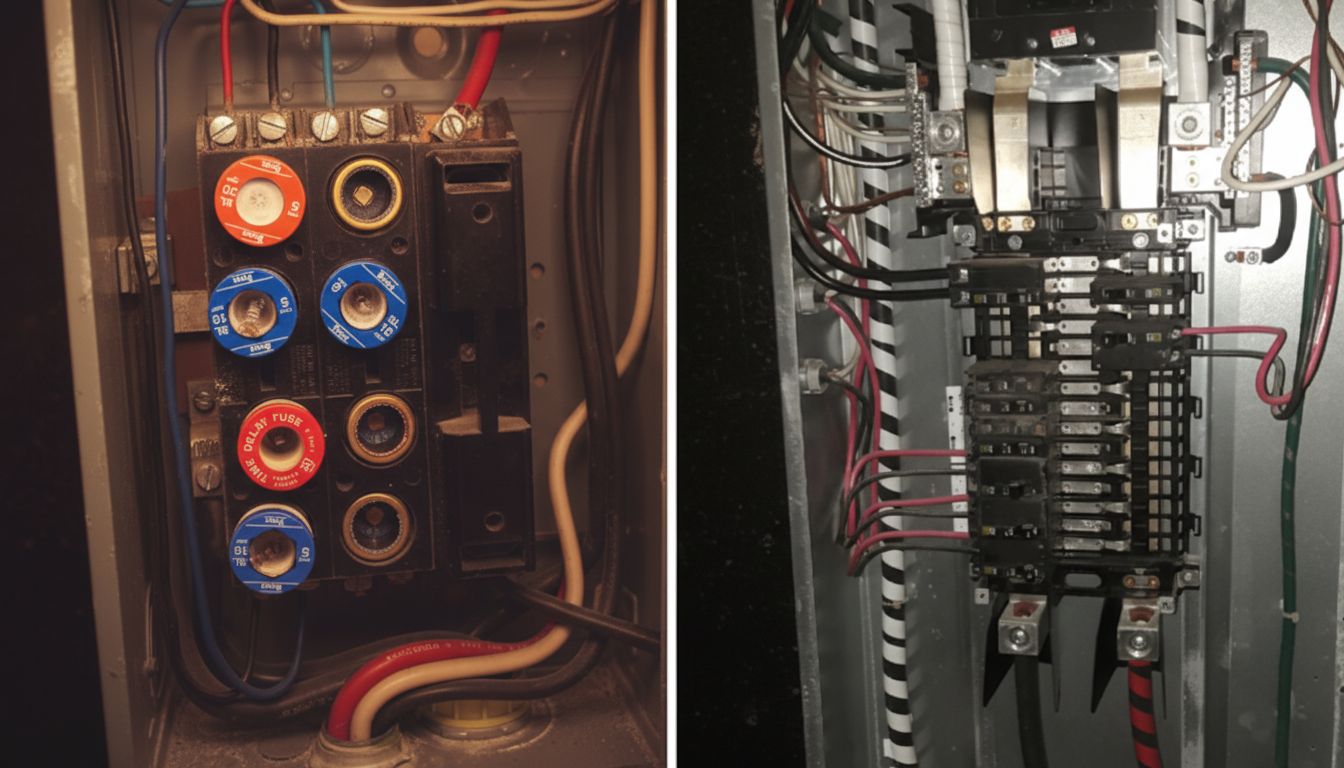
A fuse contains a thin metal strip designed to melt when current exceeds its rating. The melted strip breaks the circuit and stops current flow. The protection is effective, but the fuse is destroyed in the process. You replace it with a new one. The core difference between fuse and circuit breaker protection is this: fuses are sacrificial devices that must be replaced after every trip. A fuse box in an older home might use screw-in glass fuses or cartridge fuses, depending on the era.
The real danger with fuse boxes isn’t fuses themselves; it’s the tendency to over-fuse. Installing a 30-amp fuse in a 15-amp circuit wiring slot eliminates the protection entirely. The wiring overheats before the fuse blows, which is a fire hazard. Modern circuit breakers don’t have this vulnerability because their ratings are fixed by the manufacturer.
Circuit Breakers: Resettable Protection
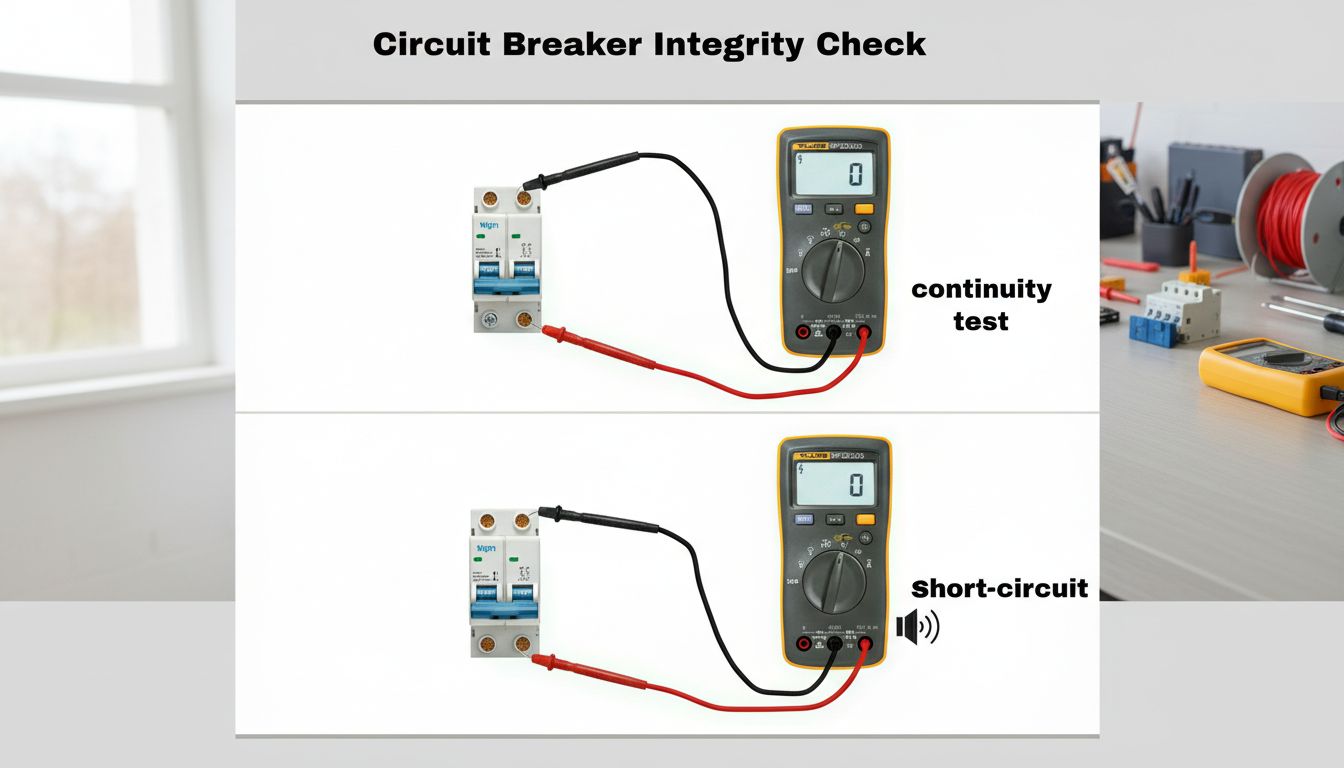
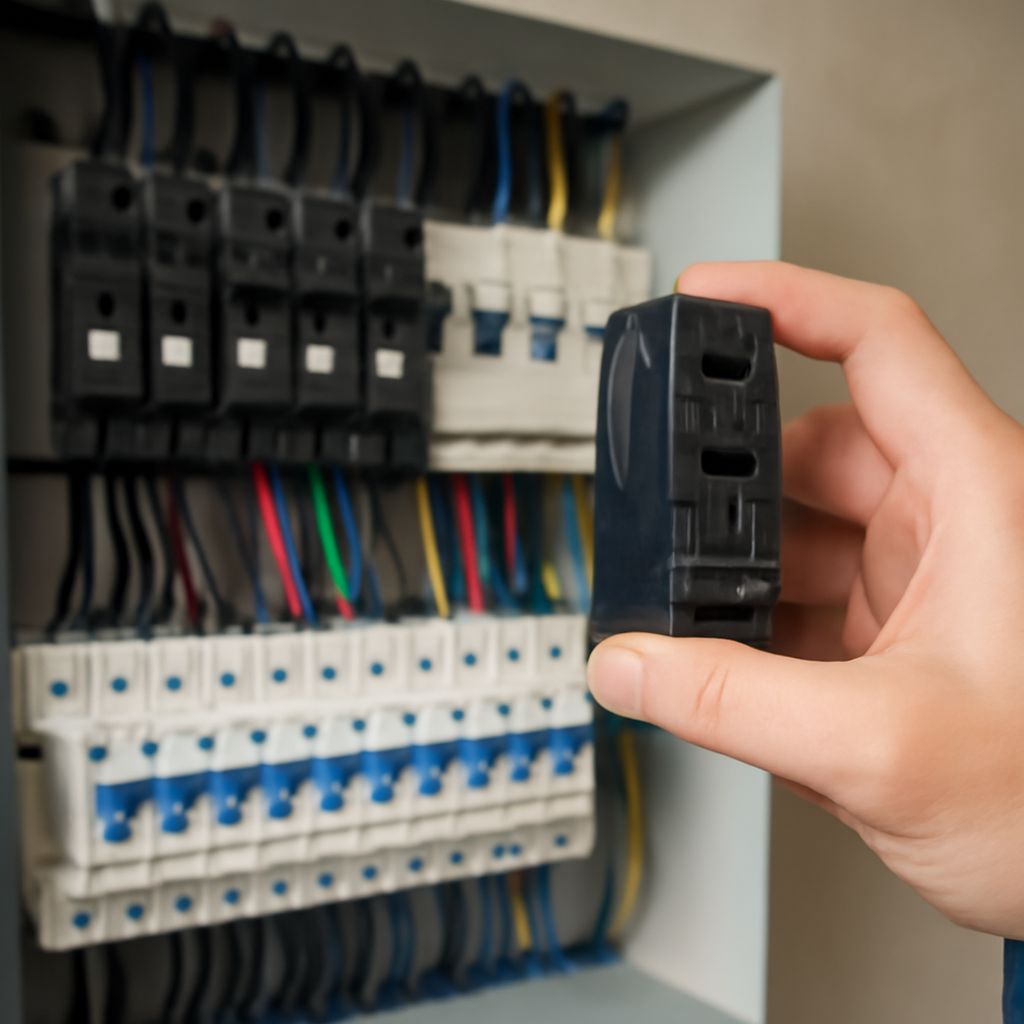
A circuit breaker uses a bimetal strip or electromagnet to interrupt current when it exceeds the breaker’s rating. The main circuit breaker in your panel controls power to the entire house. Individual branch breakers control each circuit. When a breaker trips, you reset it by pushing it to OFF and then back to ON. No replacement needed. The difference between fuse and circuit breaker resettability is a major practical advantage in everyday use.
Modern panels also support AFCI (arc-fault) and GFCI breakers, which provide protection against arc faults and ground faults that standard breakers don’t address. A fuse box has no equivalent upgrade path for these protections.
The Main Circuit Breaker: What It Does
The main circuit breaker is the largest breaker in your panel, typically 100 to 200 amps for residential service. It controls the entire load coming into your home from the utility. Turning it off de-energizes all branch circuits while leaving the service entrance wires still live. For any work inside the panel itself, the main circuit breaker doesn’t make the panel safe; only the utility can cut power to the service entrance wires. For work on branch circuits, the main breaker is the correct way to de-energize the whole system.
Fuse boxes have a main disconnect as well, often a pull-out cartridge fuse block rather than a lever-operated breaker. The function is the same, but the cartridge fuse design is more prone to corrosion and contact issues as it ages.
Circuit Breaker Fuse: When You See Both
Some panels, especially in homes that have been updated incrementally, have a circuit breaker fuse combination where the main service or certain high-draw circuits still use fuses while branch circuits were upgraded to breakers. This hybrid setup works but creates confusion and limits future upgrades. A full panel replacement to a modern breaker box is the cleaner solution when you’re already doing significant electrical work.
Automotive Circuit Breaker vs Fuse
In automotive applications, the automotive circuit breaker vs fuse decision shows up in custom wiring for accessories, trailers, and restorations. Fuses are smaller, cheaper, and universally available, which is why they dominate OEM applications. Automotive circuit breakers are resettable and are used in applications where nuisance blowing from current spikes is a problem, such as winch circuits, power windows, and slide-out systems in RVs. When wiring a winch, for example, a circuit breaker rated for the motor’s stall current lets you reset in the field without carrying spare fuses.
Key takeaways: The fuse box vs circuit breaker comparison favors modern breaker panels on every practical measure: safety, convenience, upgrade capability, and resettability. If your home still has a fuse box, consult a licensed electrician about upgrading, especially if you’re adding circuits or selling the property. For automotive wiring, choose between a circuit breaker and fuse based on whether resettability matters for that specific circuit.