Fake Log Siding: Materials, Profiles, and Installation Guide
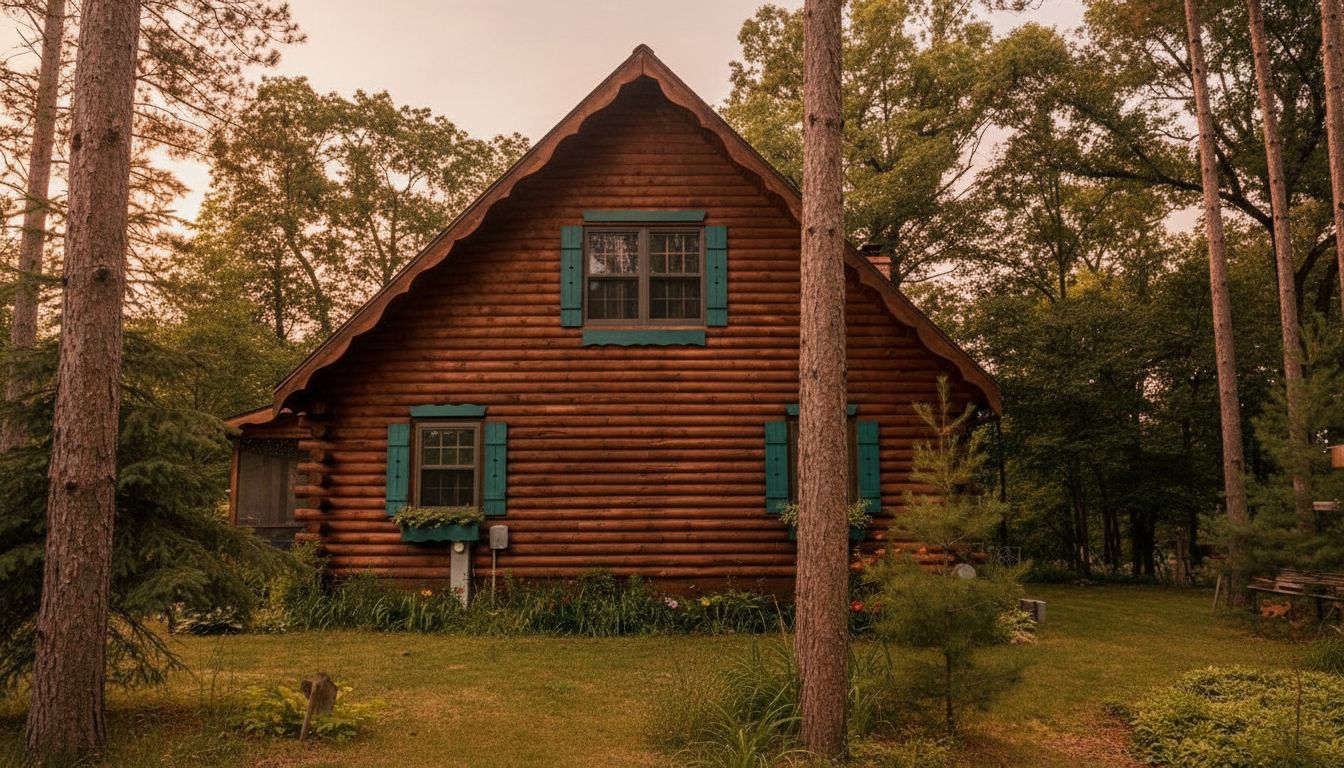
Fake log siding gives you the look of a log cabin without the structural complexity or the maintenance demands of actual logs. If you’re considering log vinyl siding or a wood-based alternative, the range of products on the market today covers everything from budget-friendly mobile home applications to high-end exterior systems that hold up against real weather. This guide explains what d log siding is, how different materials compare, what works best for log siding for mobile homes, and what to expect from log siding homes in terms of installation and upkeep.
Whether you’re re-siding a standard house to get a cabin aesthetic or finishing a new build with a rustic look, understanding the product options before you buy saves you from material choices that look great in photos but disappoint in real use.
What “Fake Log Siding” Actually Means
Simulated Wood vs. Real Milled Logs
The term “fake log siding” covers several different product types. Some are manufactured from engineered wood or hardboard with a pressed log texture. Others are actual milled wood, shaped to look like half-round or D-profile logs without using full-diameter timber. Log vinyl siding is extruded PVC molded to a rounded profile that mimics the look of stacked logs. All of these qualify as simulated log siding in that they create the visual effect without structural log construction.
Engineered wood and hardboard log profile siding paints and stains well and is more dimensionally stable than solid pine. Log vinyl siding doesn’t need painting but has a less convincing texture up close. Actual milled wood log siding, like D-log profiles cut from real timber, is the most authentic-looking option but needs finishing and maintenance like any other wood product.
D Log Siding: The Most Common Profile
D log siding has a flat back and a rounded face, creating the appearance of a stacked-log wall when installed in horizontal courses. The “D” shape comes from the cross-section, which resembles the letter. Most manufacturers offer this profile in widths from 6 to 8 inches, with some offering 10-inch boards for a larger-diameter look. D log siding installs like standard lap siding with the rounded face exposed and the flat back against the wall sheathing.
The profile works on any structure where standard siding would go, which is part of why fake log siding is popular for garage conversions, guest houses, and cabin-style vacation properties. You don’t need log-construction engineering or specialized framing to use it.
Log Vinyl Siding: Pros and Cons
Log vinyl siding is the most maintenance-free option in the category. It won’t rot, doesn’t need staining or painting, and resists insects. For log siding for mobile homes, vinyl is often the practical choice because of its light weight, ease of installation over existing siding, and lower installed cost compared to wood profiles. Mobile home manufacturers use vinyl log siding profiles for the same reasons.
The limitations are appearance and durability in extreme temperature swings. Log vinyl siding expands and contracts significantly with temperature changes, which requires correct installation with expansion gaps. In very cold climates, vinyl can become brittle and crack if struck. Wood log siding, real or engineered, typically handles temperature extremes better structurally even though it requires more maintenance.
Log Siding for Mobile Homes: Special Considerations
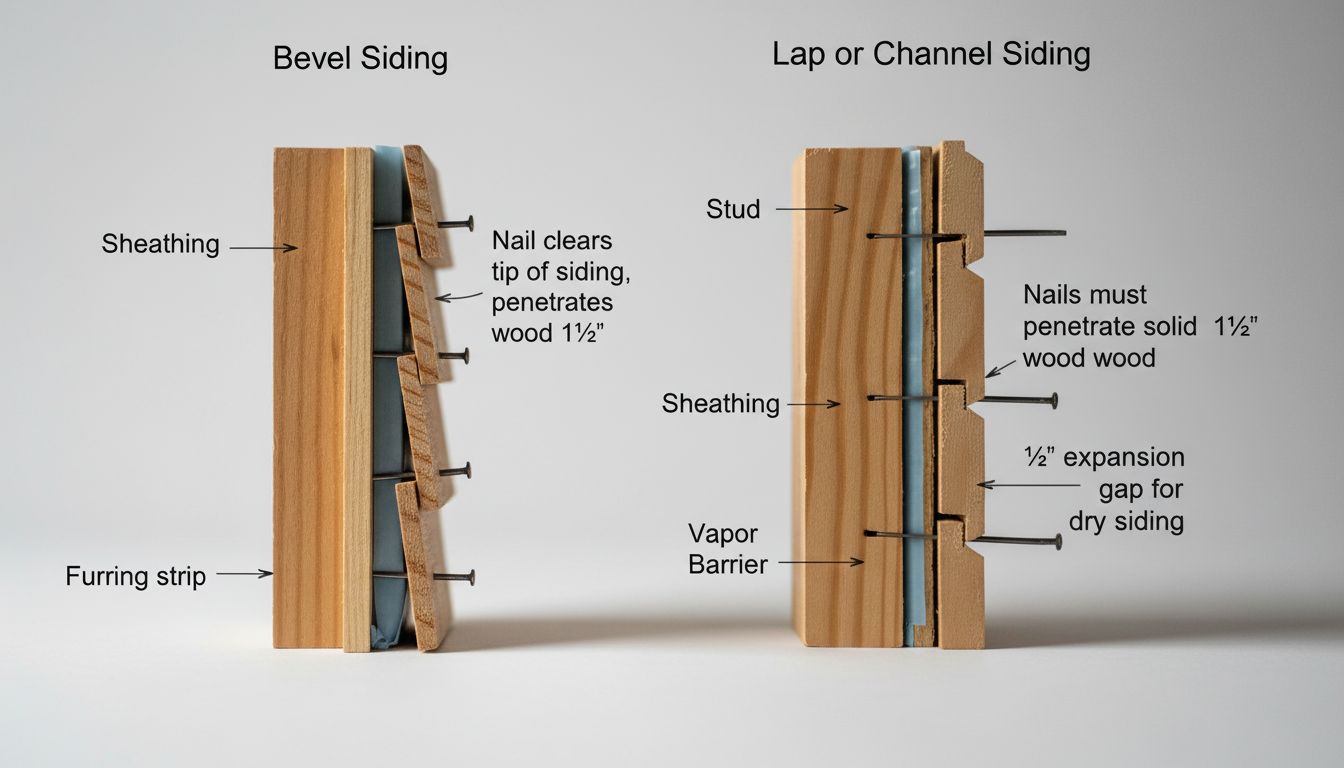
Installing log siding for mobile homes requires attention to the existing wall structure. Mobile home walls are typically thinner than site-built walls and may need additional support at fastening points. Use screws rather than nails for vinyl log profiles to allow for expansion without buckling. For wood log siding on a mobile home, add a moisture barrier and furring strips to create a drainage plane between the siding and the wall.
Weight is also a factor. Real wood D log siding is heavier than vinyl, and adding significant weight to a mobile home exterior may require inspection of the chassis and tie-down system, particularly in wind zones with specific requirements.
What Log Siding Homes Look Like Over Time
Log siding homes that use wood products age differently than those with vinyl. Properly maintained wood log siding develops a natural patina and can last 30 to 40 years with regular staining. Vinyl profiles stay color-consistent longer but may look dated as styles evolve. Log siding homes with engineered wood profiles fall between those two outcomes, with good longevity when painted but more vulnerability to moisture damage if the paint system is neglected.
Caulking at corner trim and around windows and doors is the highest-leverage maintenance task for any log siding system. Failed caulk lets water behind the siding regardless of material type.
Key takeaways: D log siding and log vinyl siding both deliver the log cabin aesthetic with less cost and complexity than real log construction. For mobile homes and low-maintenance priorities, vinyl is the practical choice. For appearance quality and long-term durability, milled wood D log siding with a proper finish system is the better option.