Plumbing Cost Guide: What to Expect for Common Services
Plumbing cost is one of those areas where most homeowners feel like they’re flying blind. Without a sense of what jobs normally cost, it’s hard to know if a quote is fair. Plumbing prices vary by job type, market, and whether you’re hiring for emergency service or scheduling in advance. This guide gives you a working plumbing labor price list for the most common residential services so you can evaluate quotes with some context. You’ll also find a plumbing services price list organized by job category, from minor repairs to full replacements.
Plumbing costs follow consistent patterns regardless of contractor, and knowing those patterns helps you ask better questions before signing anything.
How Plumbers Price Their Work
Flat Rate vs. Time and Materials
Most service plumbers use flat-rate pricing for defined tasks. You’re quoted a fixed price for “replace shut-off valve” or “clear main line stoppage,” and the price doesn’t change based on how long it takes. Flat-rate pricing protects you from runaway labor costs on straightforward jobs and protects the contractor from underpricing complex repairs. Plumbing prices for flat-rate services are higher per hour than time-and-materials, but the total is predictable.
Time-and-materials pricing means you pay for labor hours plus parts. This works well for diagnostic work or remodeling projects where scope isn’t defined upfront. Plumbing labor price for time-and-materials typically runs $75 to $150 per hour plus material markup. Always ask which pricing model applies before work starts.
Service Call and Trip Charges
Most plumbers charge a service call fee for showing up, typically $50 to $150 depending on your market. This covers travel time and the first portion of diagnosis. Some plumbers waive the service call fee if you proceed with repairs; others apply it as a credit. Plumbing costs for emergency and after-hours service add 1.5 to 2 times the normal rate. Scheduling non-urgent work during business hours is the easiest way to reduce plumbing expenses.
Plumbing Labor Price List: Common Repairs
Here are representative plumbing prices for frequently needed services. Figures represent total job cost including labor and standard parts in most US markets:
- Toilet repair (flapper, fill valve, flush mechanism): $100 to $200
- Toilet replacement (standard toilet, basic installation): $250 to $500
- Faucet repair (cartridge or seat replacement): $100 to $175
- Faucet replacement (customer-supplied fixture): $150 to $350
- Drain snaking (sink or tub): $100 to $250
- Main line snaking (cable): $175 to $350
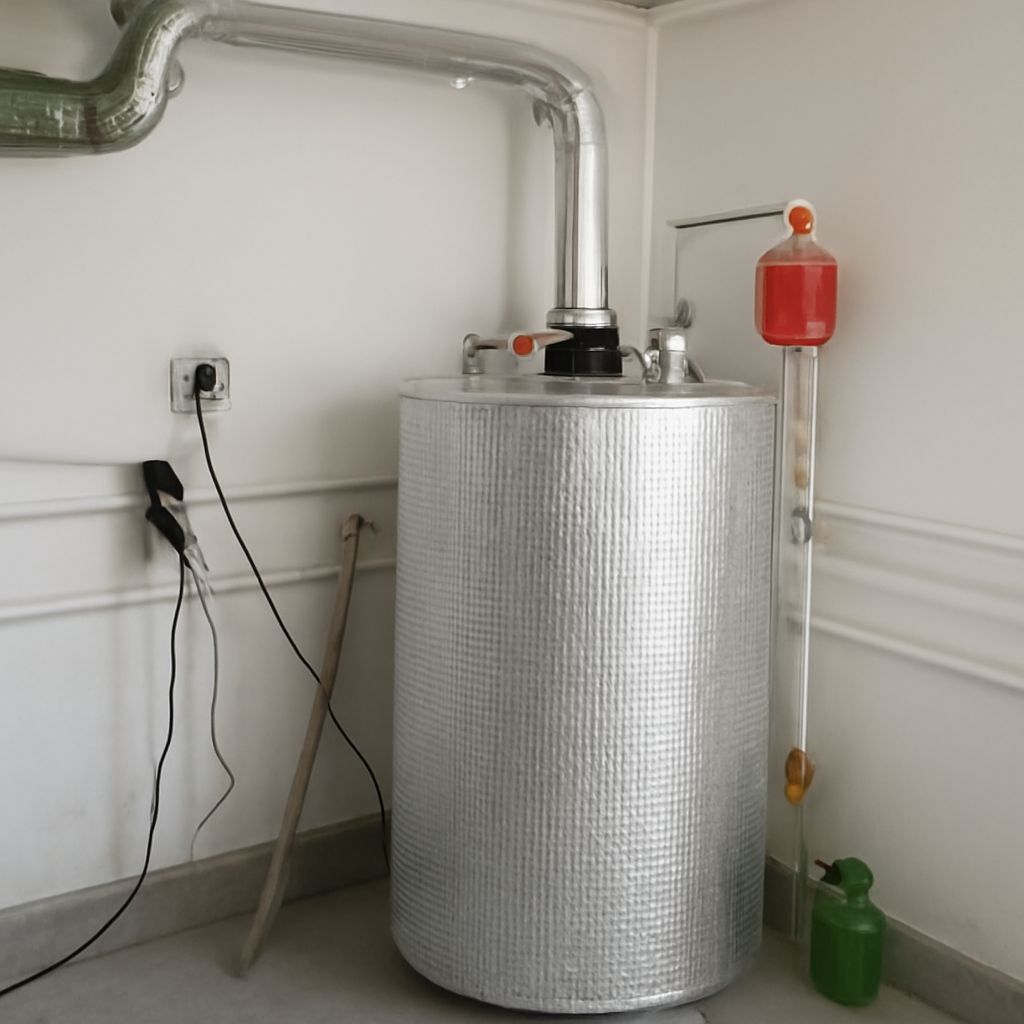
- Water heater replacement (40-50 gallon, standard installation): $800 to $1,500
- Shut-off valve replacement: $125 to $300
- Garbage disposal installation (customer-supplied): $100 to $200
These plumbing prices reflect averages. Your area may run higher or lower. Urban markets in the Northeast and West Coast typically run 20 to 40 percent above the figures shown.
Plumbing Services Price List: Larger Projects
For projects beyond service calls, plumbing costs scale with complexity and materials. Re-piping an entire house with PEX or copper can run $3,000 to $15,000 depending on house size and pipe access. Adding a bathroom (rough-in plumbing only) typically costs $2,500 to $6,000 in most markets. A tankless water heater installation including gas line modifications runs $1,200 to $3,500 for most residential applications.
When getting quotes for large projects, ask each contractor to provide a detailed plumbing services price list that breaks out material cost from labor. This lets you compare bids on equal terms and identify where one contractor is saving money versus where they might be skimping on materials.
Pro tips recap: Schedule non-urgent plumbing repairs during regular business hours to avoid emergency rate surcharges. Get three quotes for any job over $500. Ask each contractor whether their quote uses flat-rate or time-and-materials pricing. Verify that material quality is comparable between bids, since a lower labor price can be offset by using inferior fixtures or fittings.