Grout Paint: How to Refresh Tile with Light Grey Grout and Custom Colors
Grout paint offers a practical way to transform the look of your tile without tearing anything out. If you’re dealing with stained, discolored, or outdated grout, learning how to apply tile grout paint can save thousands compared to a full retile. Light grey grout and other gray grout colors have become go-to choices for modern bathrooms and kitchens because they hide minor staining while maintaining a clean, neutral appearance. You can also match custom grout colors to complement specific tile palettes.
This guide explains what grout paint actually is, how it differs from grout stain and sealers, which gray grout colors work in different settings, and how to apply tile grout paint correctly so the results last.
What Is Grout Paint and How Does It Work
Grout Paint vs. Grout Stain
Grout paint is an opaque, water-based colorant that sits on top of existing grout lines, covering old color with a new one. Grout stain, by contrast, penetrates the grout surface and changes color from within. Paint gives you more coverage and is better for severely discolored grout. Stain works best when the grout is structurally sound and only lightly faded.
Tile grout paint also differs from grout sealer. A sealer adds a protective layer without color. Some products combine sealer and colorant in one step, which is convenient but not always as durable as separate applications. For complete coverage over dark or stained grout, dedicated grout painting products outperform combination formulas.
Tile Grout Paint Application Steps
Applying grout paint correctly is the difference between a crisp result and a messy one. The process involves cleaning the grout thoroughly, applying the paint with a small brush or applicator pen along each grout line, and wiping excess off the tile face before it dries. Most products require two coats for opaque coverage. The result is a refreshed look that mimics freshly installed or custom-mixed grout.
Choosing the Right Color: Light Grey Grout and Beyond
Gray Grout Colors That Work in Any Room
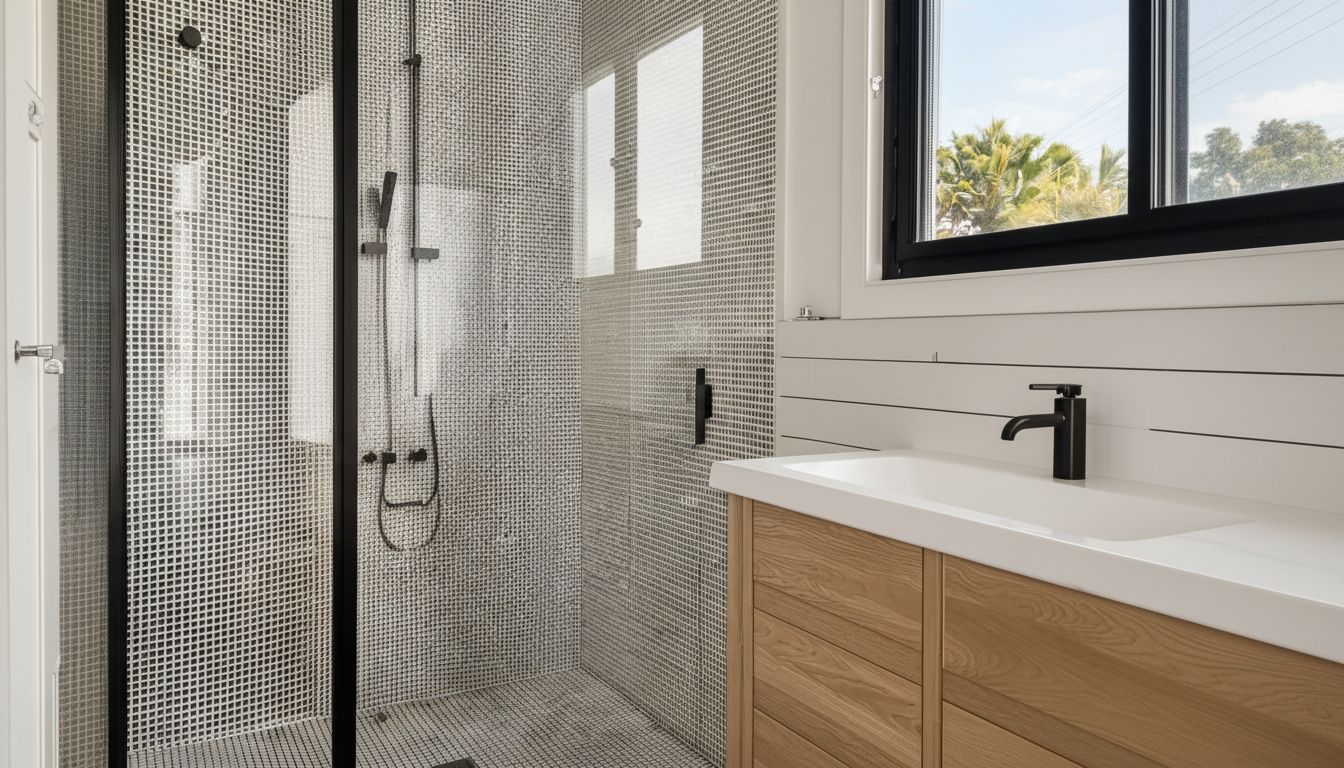
Light grey grout is the most popular choice for contemporary tile work. It reads as neutral, suits both warm and cool tile tones, and shows less soil than bright white. Gray grout colors range from almost-white platinum shades to deep charcoal. Mid-tone grays in the silver or pewter range handle everyday wear better than very light options without looking too dark or industrial.
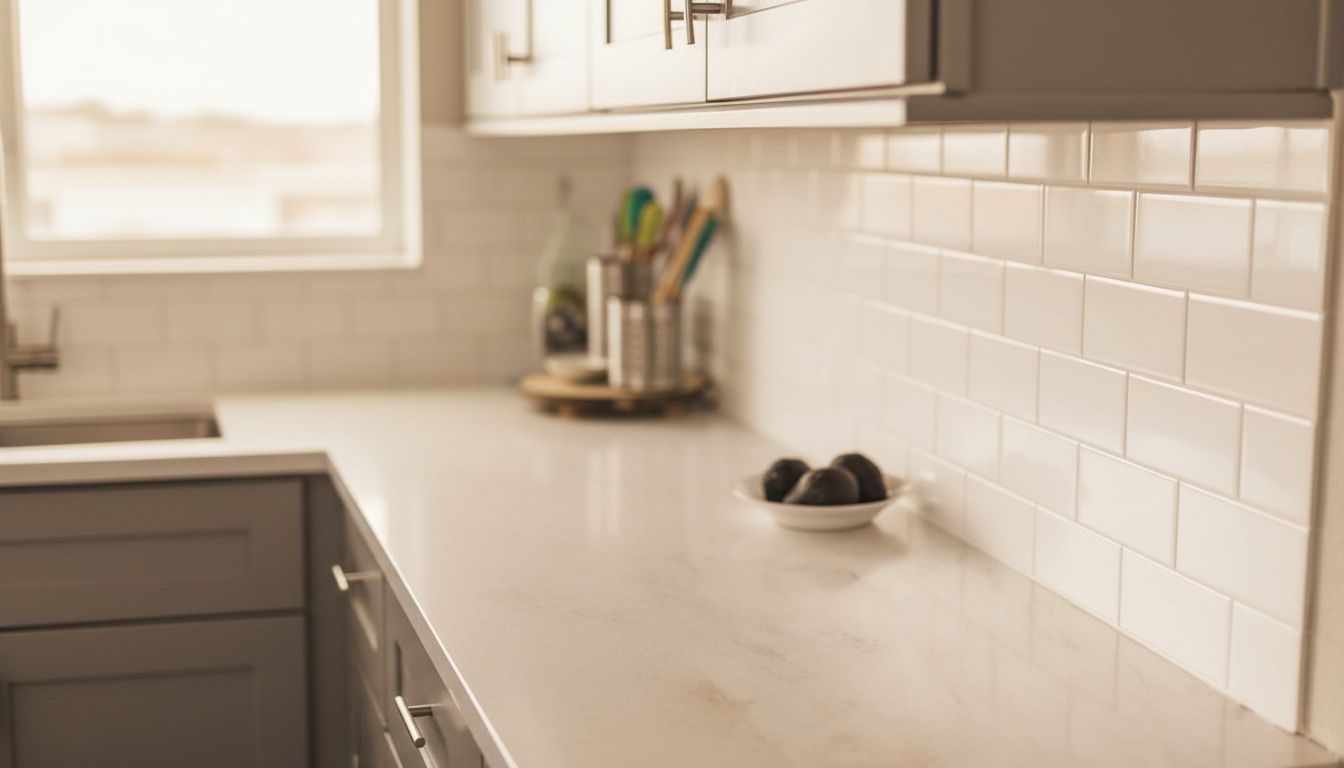
For kitchens, a medium gray grout with white subway tile is a classic combination that photographs well and stays looking clean with regular wiping. In bathrooms, pairing a slightly warmer gray with beige or ivory tiles gives a softer feel than a stark cool palette.
Matching Custom Grout to Your Tile
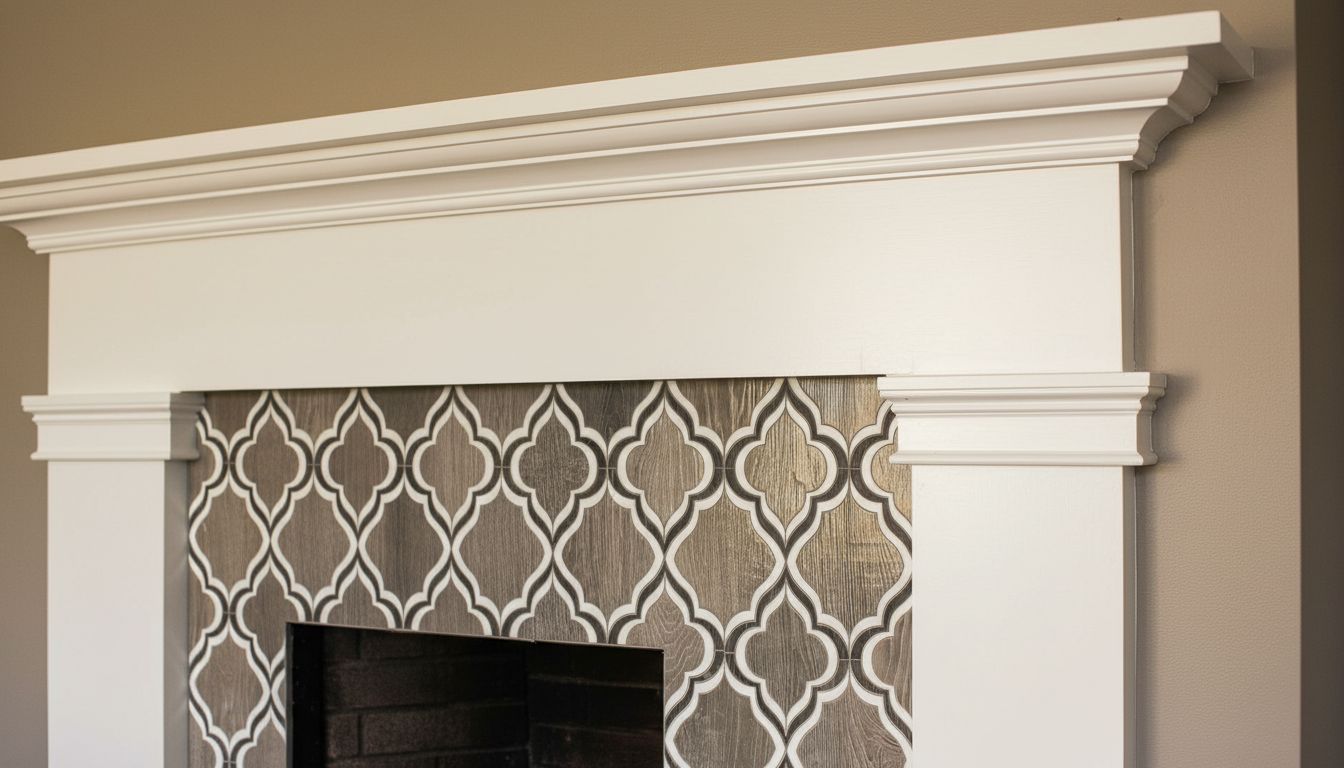
Custom grout refers to any grout or grout paint color mixed or chosen specifically to match your tile. Manufacturers offer dozens of standard colors, and some retailers mix grout to order for a closer match. When selecting custom grout colors, hold the sample against your actual tile in the room where it will be used. Lighting changes how grout color appears significantly. Natural daylight, incandescent bulbs, and LED lighting all shift color perception.
Applying Tile Grout Paint Step by Step
Surface Prep
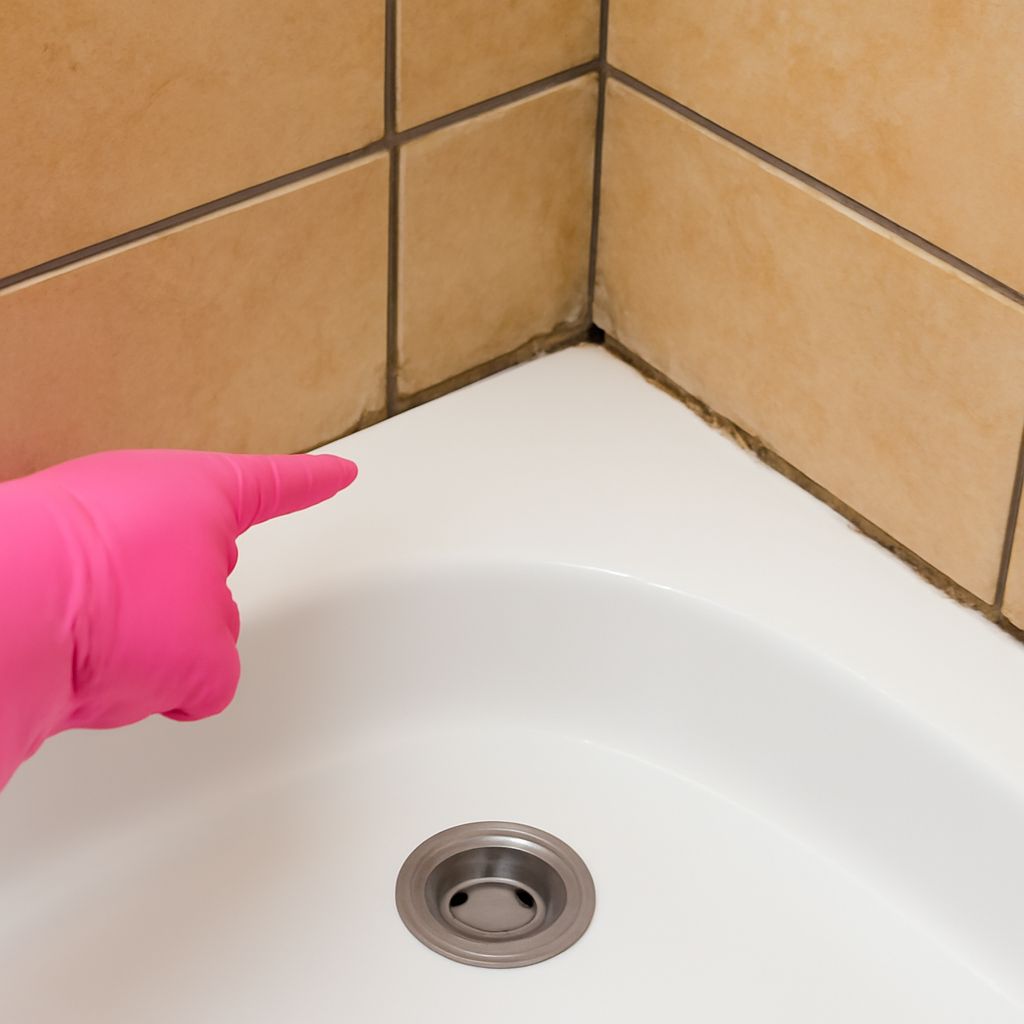
Clean the grout with an alkaline tile cleaner and a stiff brush. Remove soap scum, mold, and any loose grout material. Let the surface dry completely, at least 24 hours, before painting. If the existing grout has cracks or crumbles when you probe it with a screwdriver, repair the damaged sections before applying any colorant. Painting over compromised grout does not fix structural problems.
Application Technique
Use a small, firm-bristle brush or a specialized grout pen to apply the grout paint along each line. Work in small sections. Apply the paint to the grout lines, then immediately wipe the tile face with a damp cloth before the paint dries. Dried grout paint on tile is difficult to remove without scratching glazed surfaces. Take your time on the first section to establish a rhythm before moving faster.
Sealing After Painting
Once the grout paint has cured fully, typically 48 to 72 hours, apply a grout sealer over the painted lines. The sealer locks in the color and protects it from moisture, cleaning products, and foot traffic. Reapply sealer every year or two in high-use areas like shower floors and kitchen backsplashes.
Next Steps
Before buying grout paint, buy a small test quantity and try it on a hidden section of tile. Check the result after 48 hours to confirm coverage and color accuracy. Gather your prep supplies: grout cleaner, scrub brush, applicator brush, damp cloths, and sealer. Plan for a weekend project with adequate drying time between coats. If the grout is cracked, deteriorating, or missing in sections, consult a licensed tile contractor before painting, since those issues need repair rather than cosmetic treatment.