Bat Insulation: Fiberglass Insulation Cost Breakdown for Homeowners
Bat insulation, more precisely spelled batt insulation, is the most widely used insulation type in American homes. If you’re planning a new build or a retrofit project, understanding fiberglass insulation cost before you buy saves real money. This guide walks through the cost of fiberglass insulation by application, explains what drives batt insulation cost, and helps you calculate batt insulation cost per square foot so your budget is grounded in reality.
Fiberglass batts come in pre-cut panels sized to fit standard stud and joist spacing. They’re available faced with kraft paper or foil (which acts as a vapor barrier) or unfaced for locations where moisture control is handled separately. Prices vary by R-value, width, and whether you buy retail or through a contractor.
What Is Bat Insulation and Why Does It Matter
Types of Fiberglass Batts
The term bat insulation is a common phonetic spelling of batt insulation. Both refer to the same product: pre-formed rectangular panels of glass fiber designed to fit snugly between framing members. The two main varieties are standard-density and high-density batts. High-density batts pack more fiber into the same thickness, delivering a higher R-value per inch.
Mineral wool batts are sometimes grouped under the same category and cost more per square foot than fiberglass. Rock wool insulation batts offer better fire resistance and soundproofing, which makes them worth considering for interior walls or garages. For exterior walls and attic floors, fiberglass batt panels remain the most cost-effective choice for most homeowners.
R-Value Explained
R-value measures thermal resistance. The higher the number, the better the insulation slows heat transfer. For exterior walls in most of the U.S., you need R-13 to R-21. Attic floors typically need R-38 to R-60. Always check your local building code or energy code for required minimums before purchasing.
Fiberglass Insulation Cost: What You’ll Pay
Batt Insulation Cost Per Square Foot
Batt insulation cost per square foot for fiberglass runs roughly $0.30 to $0.75 for materials only at retail, depending on R-value and thickness. R-13 batts for 2×4 walls cost less than R-21 batts for 2×6 walls. Buying in bulk from a building supply warehouse brings the cost of fiberglass insulation down considerably compared to small quantities from a home improvement store.
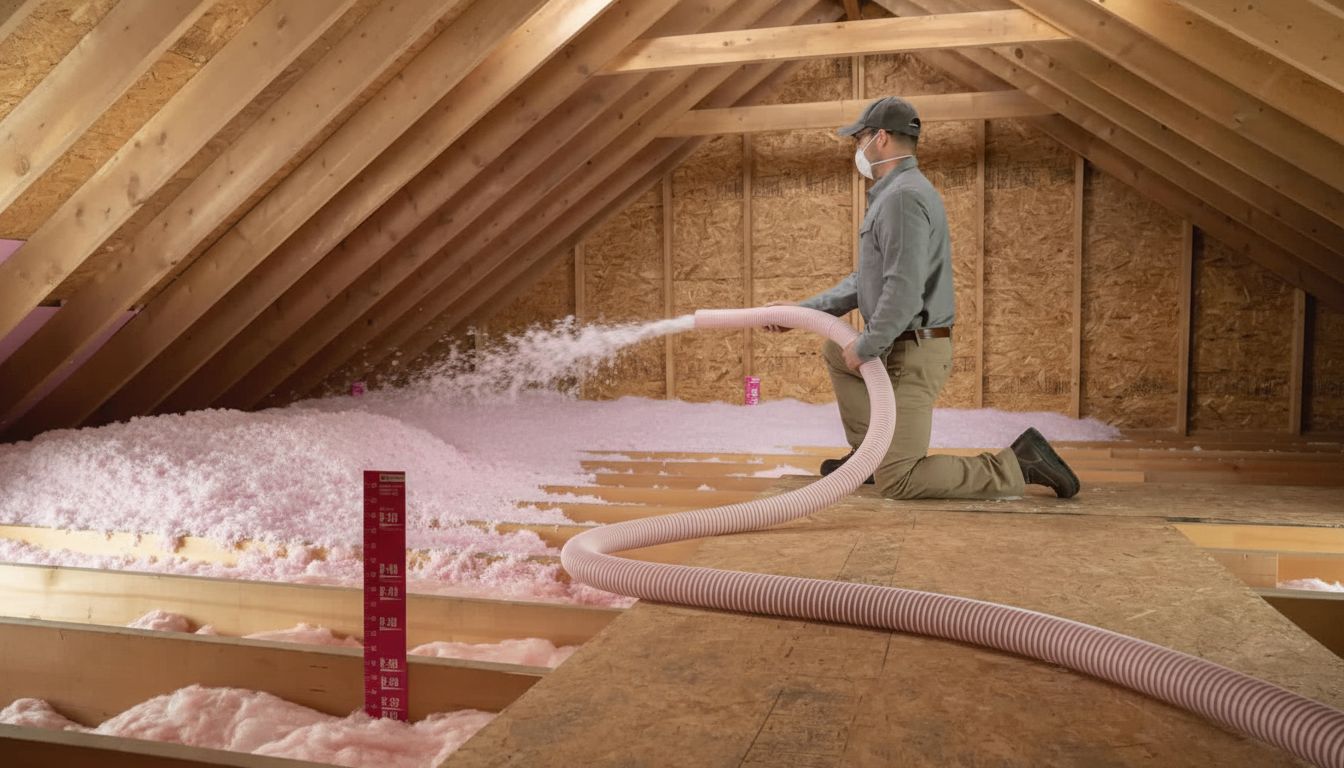
If you hire a professional installer, add $0.50 to $1.25 per square foot for labor. Total installed fiberglass insulation pricing typically lands between $0.80 and $2.00 per square foot. The wide range reflects regional labor rates, project complexity, and whether the contractor needs to work in tight crawl spaces or open attic areas.
Factors That Affect Price
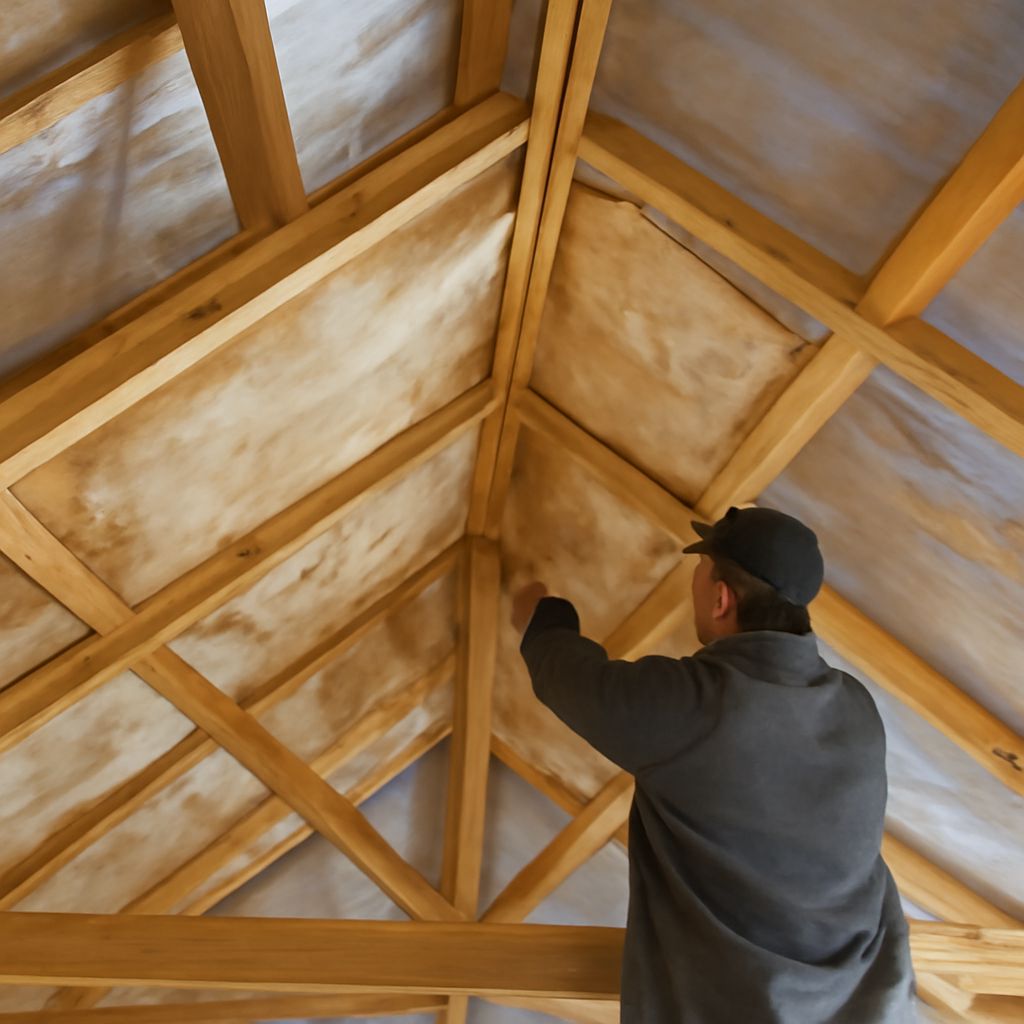
The main cost drivers for batt insulation are R-value required, the framing depth (2×4 vs. 2×6 walls), access difficulty, and whether you need faced or unfaced product. Insulating an attic floor with open joists costs less per square foot than insulating a crawl space where workers must maneuver in tight quarters.
Prices for fiberglass insulation fluctuate with raw material costs. Check prices from multiple suppliers before buying. Contractor pricing on fiberglass batt panels is often 20 to 30 percent below retail when purchased in volume.
DIY vs. Professional Installation
When to DIY
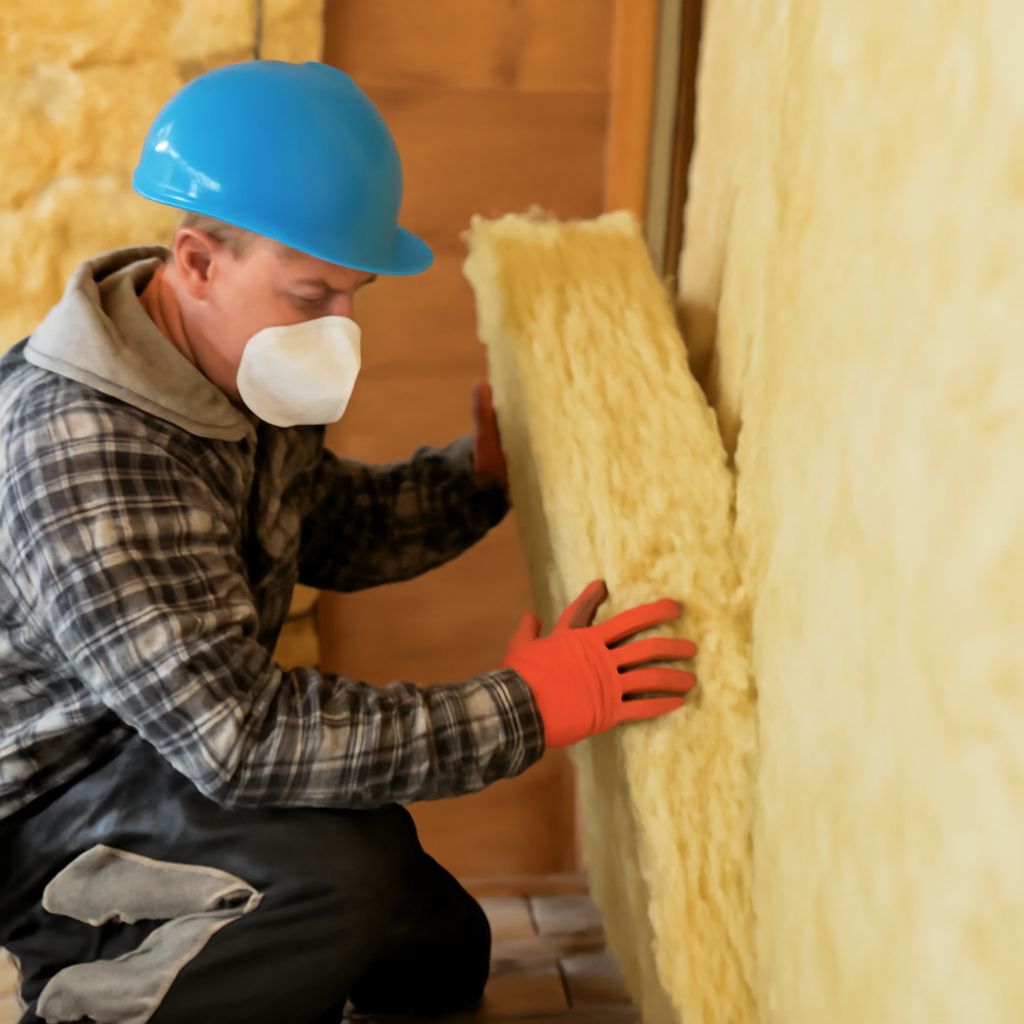
Installing batt insulation is one of the more accessible DIY home improvement projects. If you have accessible attic floor joists, open basement rim joists, or unfinished wall cavities before drywall goes up, you can handle the work yourself with basic tools and safety gear. Wear a respirator, eye protection, and long sleeves when cutting and handling fiberglass insulation batts.
When to Hire a Pro
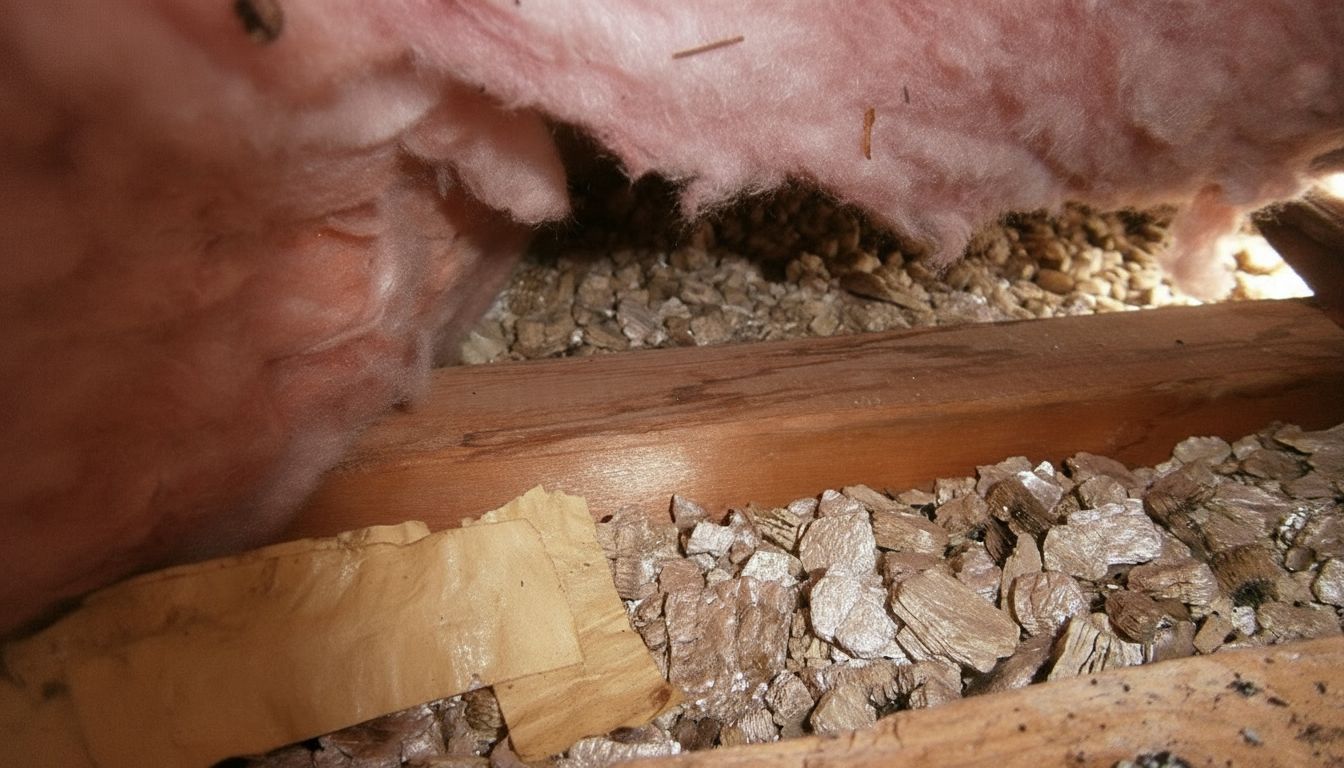
Call a licensed insulation contractor for any work in enclosed wall cavities, around knob-and-tube wiring, near HVAC equipment, or in homes with asbestos concerns. A professional installer also handles vapor barrier placement correctly, which prevents moisture problems that can rot framing and grow mold. If your home was built before 1980, have an inspector assess any existing insulation before disturbing it.
Next Steps for Your Insulation Project
Start by auditing where your home loses the most heat. An energy auditor can identify gaps that insulation batts alone won’t fix, like air leaks around electrical boxes and rim joists. Address air sealing before adding insulation for maximum efficiency gains. Then calculate your square footage, choose the right R-value for your climate zone, and compare at least two supplier quotes before committing. If the project is large or the access is difficult, get two contractor bids as well to see whether DIY installation truly makes financial sense for your situation.