How Many Shingles Are in a Bundle? Roofing Math Made Simple
If you’re ordering roofing materials, you need to know how many shingles are in a bundle before you can calculate what to buy. You also need to understand what is a square in roofing, because that’s the unit contractors and suppliers use. A square of shingles covers exactly 100 square feet of roof surface. Knowing what is a square of shingles and how many shingles are in a square lets you order accurately and avoid costly overages or mid-project shortfalls.
Most standard three-tab and architectural shingles come in bundles of 20 to 26 shingles each, with three bundles equaling one roofing square. The exact count depends on the shingle type and manufacturer. This guide walks through the math and explains how to apply it to your project.
What Is a Square in Roofing?
A roofing square is a unit of measurement equal to 100 square feet of roof area. It has nothing to do with the shape of the roof. Whether your roof is gabled, hipped, or has multiple pitches, all measurements in roofing translate back to squares.
Contractors price labor and materials by the square. When a roofer quotes you $400 per square for installation, that means $400 per 100 square feet of covered area. Understanding this unit lets you compare bids accurately and check that material quantities add up correctly.
How Many Shingles Are in a Bundle?
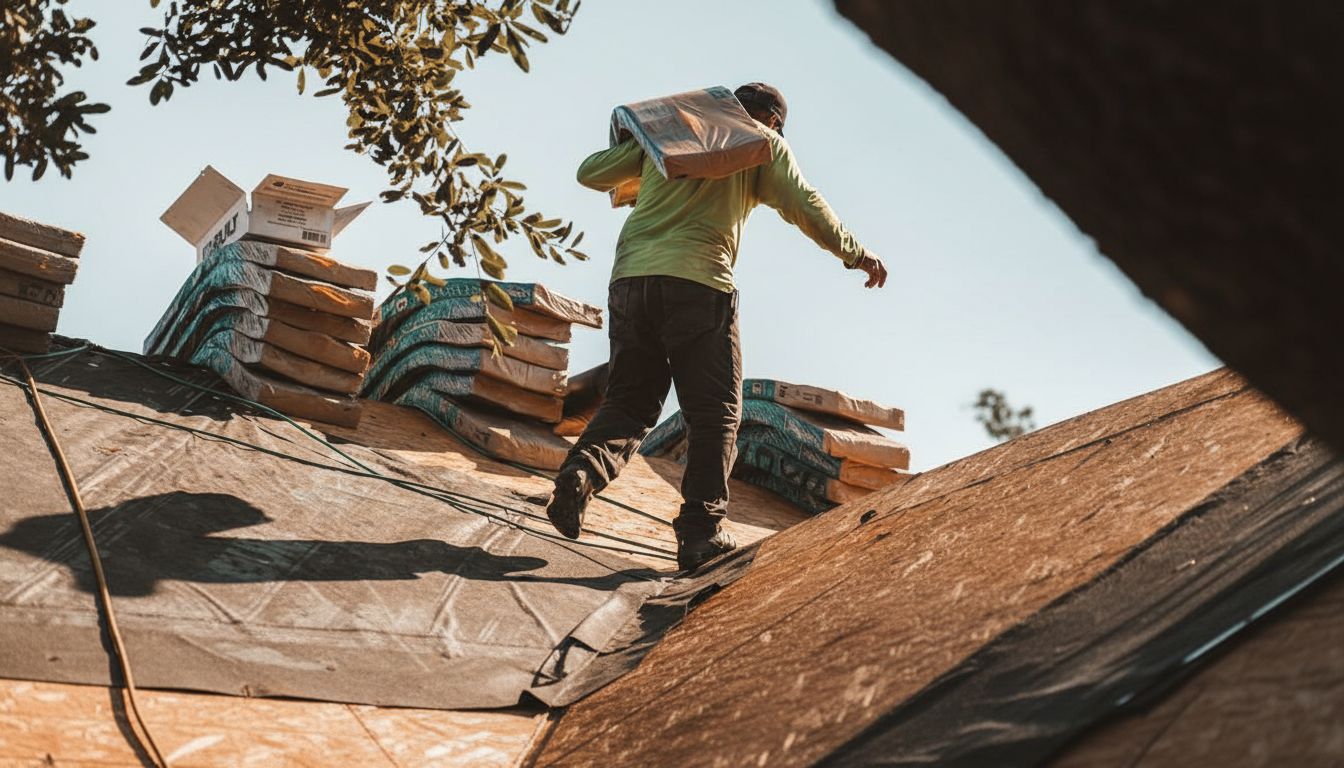
For standard three-tab shingles, each bundle typically contains 26 shingles. For architectural (laminated) shingles, the count per bundle is usually 20 to 21 shingles because the individual pieces are larger. Bundles are designed to be manageable in weight, typically 50 to 80 pounds, which is why a full square requires multiple bundles rather than one.
The number of shingles per bundle varies by manufacturer and product line. Always check the bundle label, which states both the shingle count and the square footage covered per bundle. Do not assume one bundle equals one-third of a square without verifying on the packaging, as some premium or designer shingles deviate from the standard three-bundles-per-square convention.
Calculating How Many Shingles Are in a Square
For standard three-tab shingles, three bundles equal one roofing square (100 sq ft). That puts roughly 78 to 80 three-tab shingles per roofing square. For architectural shingles, three bundles still typically cover one square, but with only 60 to 63 individual shingles since each piece is larger.
To count shingles needed for a square, multiply the number of bundles per square by the number of shingles per bundle. For example: 3 bundles x 26 shingles = 78 shingles per square of three-tab coverage. This calculation helps you verify that the quantity on your delivery matches what you actually ordered.
Estimating Materials for Your Roof Project
Start by calculating your total roof area in square feet. For a simple gabled roof, measure the length of the ridge and the width of one slope, multiply them together, and double the result for both slopes. Add 10 to 15 percent for waste, cuts, and starter courses. Divide your total adjusted square footage by 100 to get the number of squares you need.
Then multiply squares by three to get bundle count for most shingles. Add one or two extra bundles per 10 squares for hip and ridge cap shingles, which are cut from standard bundles or purchased separately. For valleys, dormers, and complex roof lines, increase your waste factor to 15 or 20 percent to account for extra cuts.
Always buy a few extra bundles from the same dye lot. Shingle colors vary slightly between manufacturing runs, so having matching extras on hand matters if you need repairs down the road.
Bottom Line
Three bundles of standard shingles cover one roofing square (100 square feet). Most bundles contain 20 to 26 shingles depending on the product. Calculate your roof area in squares, add 10 to 15 percent for waste, and verify bundle counts against the manufacturer’s label before you order. When in doubt about complex roof geometry or local code requirements, consult a licensed roofing contractor for a professional material take-off.