Batt Insulation vs. Faced Insulation: Which Is Right for Your Home?
Batt insulation is one of the most practical insulation choices for DIY homeowners. Cut to fit between studs and joists, it goes up quickly and costs less per square foot than spray foam or blown-in alternatives. Understanding faced insulation, what the facing does, and when you need it helps you buy the right product the first time. This guide explains what is batt insulation, breaks down the batt vs roll insulation debate, and helps you decide between insulation batts vs rolls for your specific project.
The core question most homeowners face is whether to buy faced or unfaced product. The answer depends on your climate, where in the house you’re insulating, and what your local building code requires. Get that decision right upfront, and the rest of the project goes smoothly.
What Is Batt Insulation?
Faced vs. Unfaced Batts
Batt insulation is pre-cut rectangular panels of mineral or glass fiber designed to fit between standard framing members. Standard widths are 15 inches for 16-inch on-center framing and 23 inches for 24-inch on-center framing. Lengths vary by package but commonly run 8 feet for wall applications.
Faced insulation includes a kraft paper or foil backing attached to one side of the batt. The facing acts as a vapor retarder, slowing moisture migration from the warm side of the wall toward the cold side. In cold climates, faced batts go in exterior walls with the facing toward the interior warm side. In hot-humid climates, the facing location may differ. Unfaced batts are used where a separate vapor barrier is installed, in interior walls for sound control, or when adding a second layer over existing insulation.
Common R-Values
Batt insulation R-values range from R-11 for 2×4 walls to R-21 for 2×6 walls, with attic batts reaching R-38 to R-49 in multi-layer applications. Higher R-values require thicker batts. Check your local energy code or IECC climate zone map to confirm the minimum R-value required in your area before purchasing. Buying the wrong R-value means either leaving performance on the table or needing to return and exchange materials.
Batt vs Roll Insulation: Key Differences
When Rolls Work Better
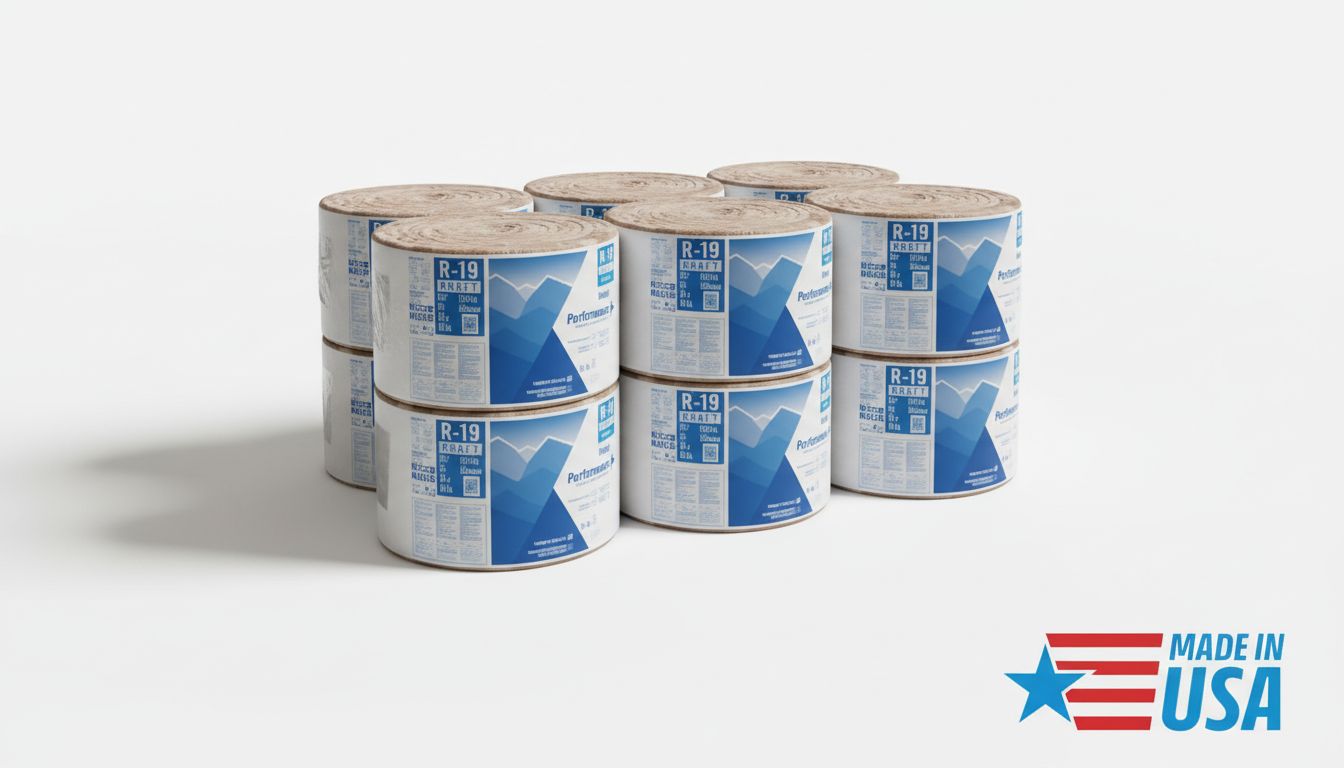
Insulation rolls and batt panels are made from the same fiberglass material. The difference is in how they’re packaged and cut. Rolls come in continuous lengths and work well for long, uninterrupted runs like attic floors and crawl space walls where you can unroll the material and cut it to length without managing pre-cut panel sizes. Rolling out fiberglass insulation across an attic floor is faster than laying individual batts when coverage is large and uniform.
When Batts Work Better
Pre-cut insulation batts are easier to handle in wall cavities and between floor joists where each cavity is a fixed length. You do not need to measure and cut every piece from a roll. Batt vs roll insulation comes down to the application: use batts for framing cavities, use rolls for open floors. In practice, many homeowners use both in a single project, rolls for the attic floor and batts for rim joists and wall stud bays.
Insulation batts vs rolls also differ in waste factor. Pre-cut batts generate less waste in standard stud cavities because manufacturers size them for common framing dimensions. Cutting from a roll to fit non-standard openings is more flexible but creates more trim waste.
Installing Batt Insulation: Tips for DIYers
Cutting and Fitting
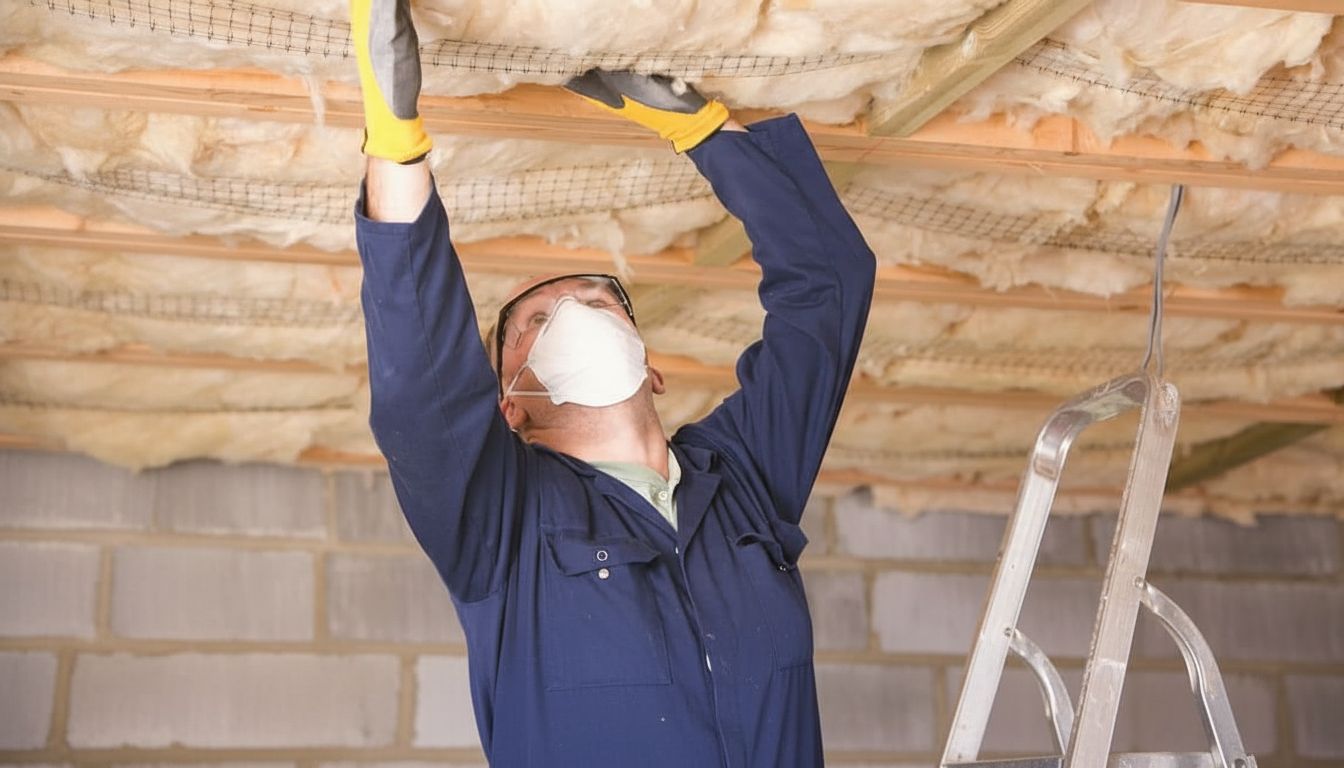
Cut fiberglass batts with a utility knife and a straightedge. Compress the batt slightly, score deeply with one stroke, and snap the piece cleanly. For narrower cavities around pipes and blocking, split the batt by tearing it lengthwise. Never force a batt into a space that is too small. Compressed insulation loses R-value proportionally to how much it is squeezed. A batt crushed to half its designed thickness delivers roughly half the rated R-value.
Safety Precautions
Fiberglass fibers irritate skin, eyes, and the respiratory tract. Wear a respirator rated N95 or better, safety glasses, and long sleeves during installation. Work in a ventilated area when possible. Shower immediately after working with fiberglass batts to remove any fibers from your skin. Mineral wool batts are slightly less irritating but still require the same protective measures.
Bottom Line
Batt insulation is a cost-effective, DIY-friendly choice for most wall, floor, and ceiling applications. Choose faced insulation for exterior walls in cold climates and unfaced for interior walls and over existing insulation. Use batts for framing cavities and rolls for open attic floors. If you are unsure whether your vapor barrier placement meets local code, consult a licensed insulation contractor before proceeding, since incorrect installation can lead to moisture problems that are expensive to fix.