Canadian Outlets: Everything You Need to Know About Canada Electrical Outlets
If you’re moving to Canada, renovating a Canadian home, or bringing US appliances across the border, understanding Canadian outlets is essential. Canada electrical outlets share the same voltage and plug standard as the United States, but there are important details about grounding, outlet styles, and electrical code requirements that differ from what you may be used to. Canadian electrical outlets look familiar to Americans but operate under different regulatory standards. Understanding canada power outlets and Canadian power outlets helps you make safe decisions about appliances, extension cords, and when to call a licensed electrician.
This guide covers the Canadian outlet standard, differences from other countries, common outlet types found in Canadian homes, and what to know if you’re doing any electrical work.
Canadian Outlet Standards: Voltage and Plug Type
Voltage and Frequency
Canadian outlets deliver 120 volts at 60 Hz, the same standard as the United States. This means US-manufactured appliances plug directly into Canadian power outlets without adapters or converters. Unlike the 230-volt standard used in most of Europe, the UK, and Australia, Canada electrical outlets run on the lower North American voltage. Appliances made for European outlets do not work in Canadian electrical outlets without a step-down transformer.
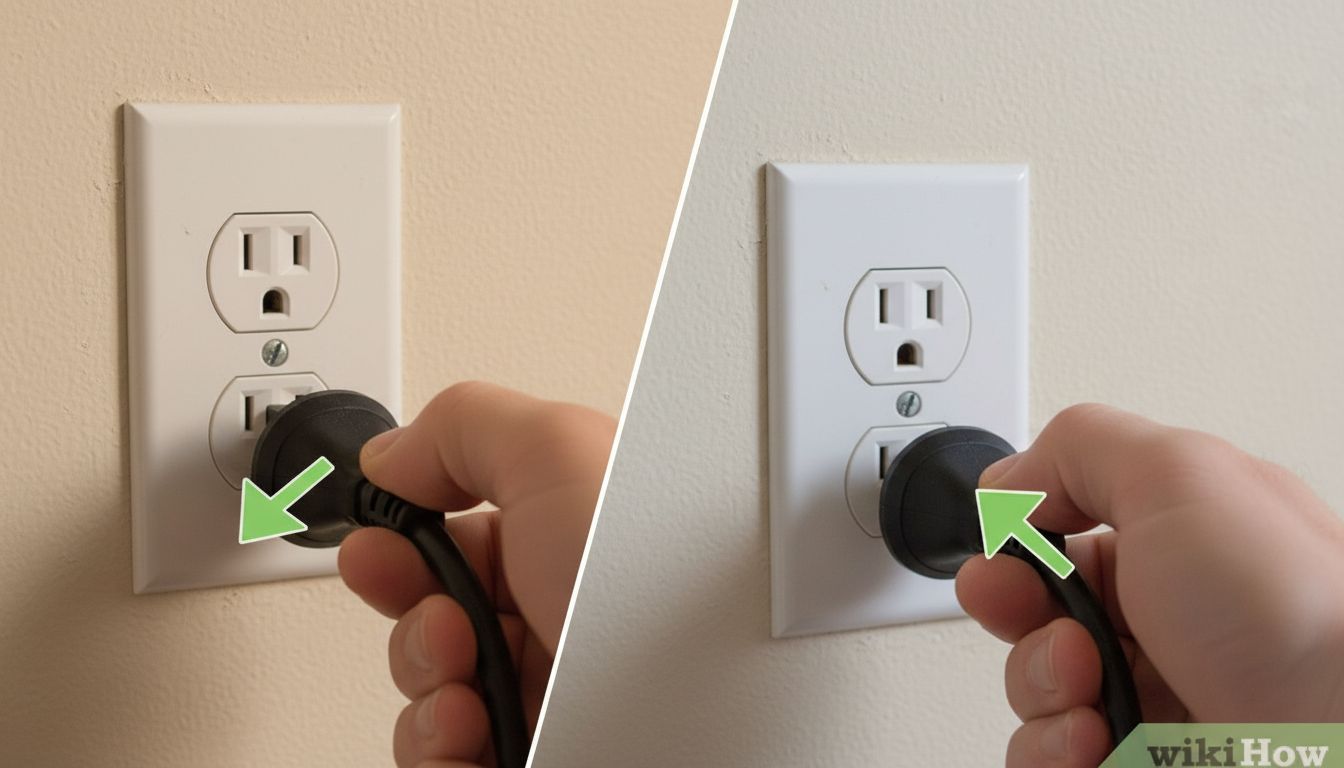
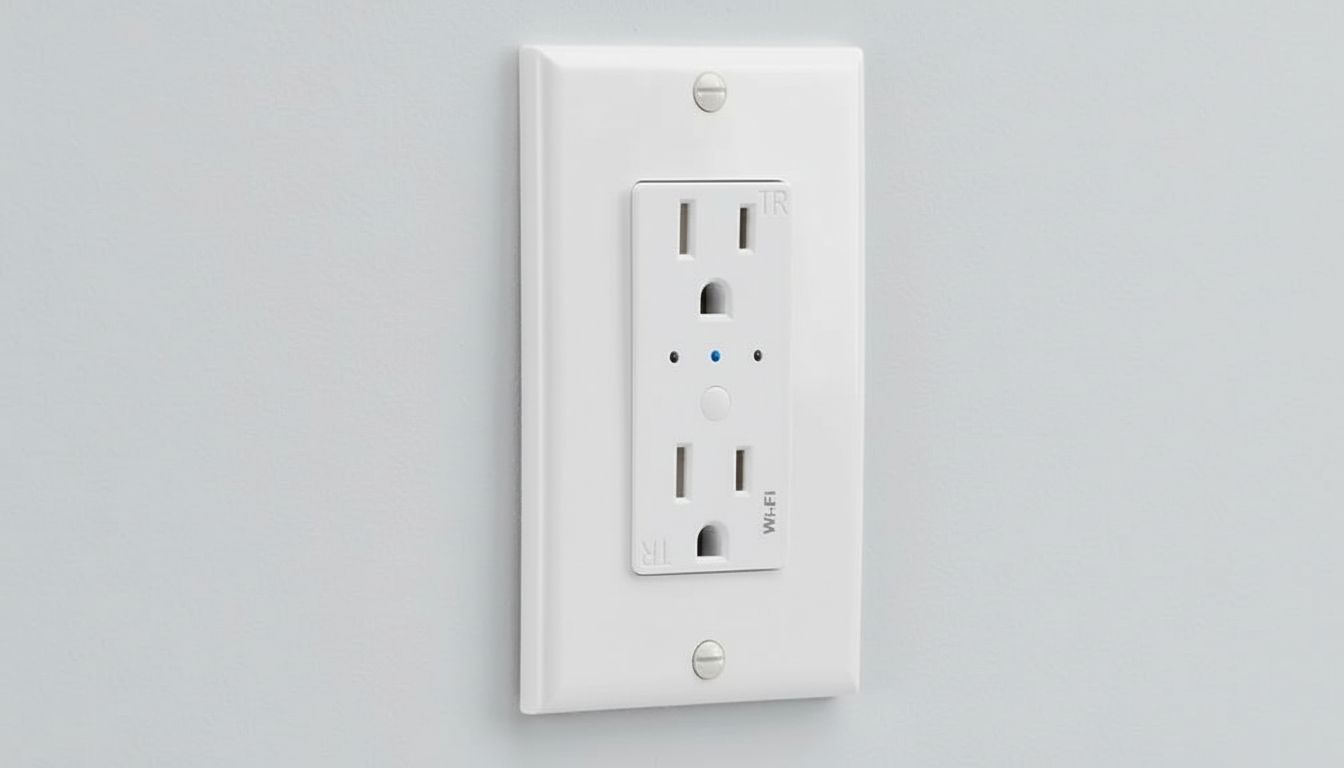
Canada uses the same NEMA plug standards as the US. The standard two-prong and three-prong plug configurations are identical. NEMA 5-15 (the familiar three-prong grounded outlet) is the standard for general use throughout Canadian homes and commercial buildings. NEMA 6-20 and NEMA 14-30 outlets for 240-volt equipment like dryers and ranges also follow the same physical standards as US equivalents.
The CSA Mark and Canadian Electrical Code
Canadian power outlets and all electrical products sold in Canada must be certified to the Canadian Electrical Safety Standards. The CSA (Canadian Standards Association) mark on an electrical product indicates it meets Canadian standards. While many products carry both UL (US) and CSA marks, some US-only listed products may not be approved for installation in Canada. Always verify that outlets and devices carry a CSA certification before installing them in a Canadian home or commercial space.
Types of Canadian Electrical Outlets
Standard and GFCI Outlets
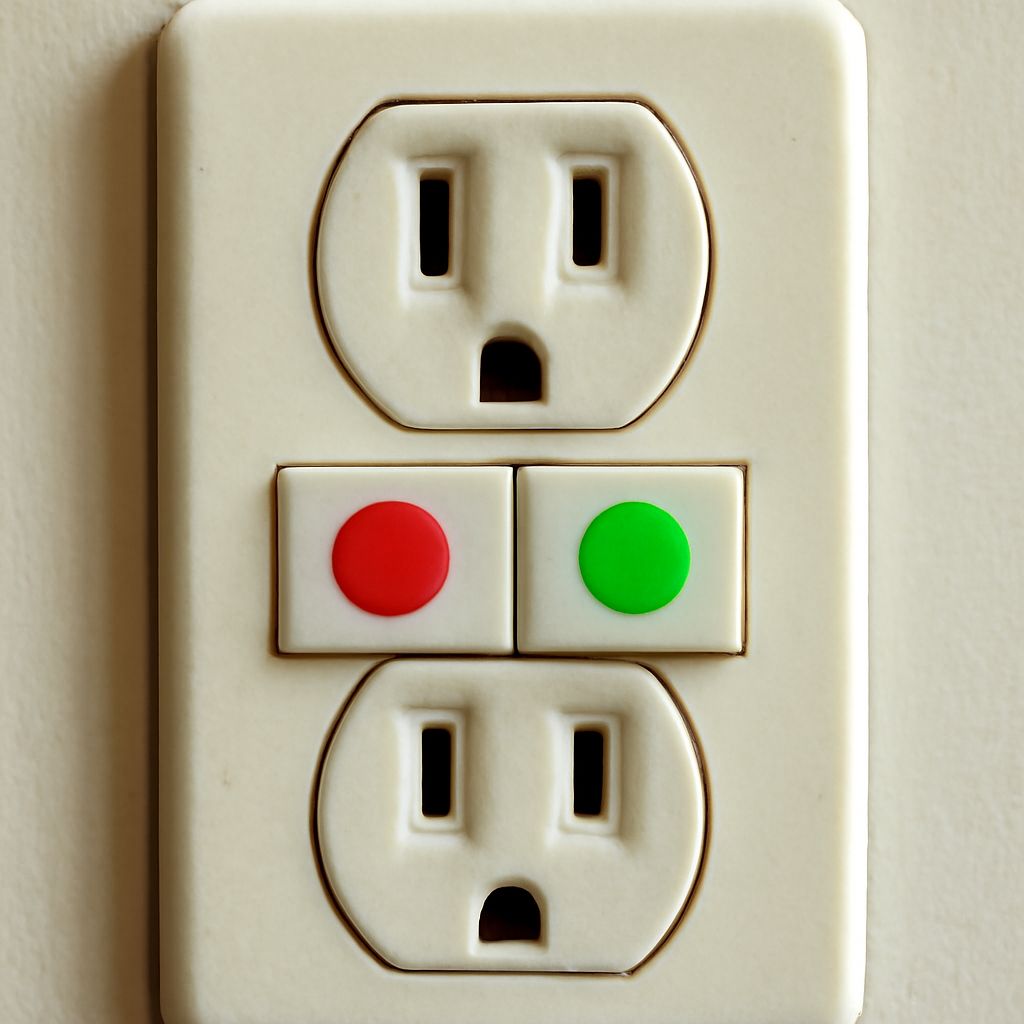
The standard 15-amp duplex outlet is the most common Canadian electrical outlet type, found in living rooms, bedrooms, and most general-use locations. GFCI (ground fault circuit interrupter) outlets are required by the Canadian Electrical Code in bathrooms, kitchens, garages, outdoors, and near any water source. Canadian GFCI outlets function identically to US products and look the same with their test and reset buttons. The Canadian Electrical Code has required GFCI protection in these locations for several decades, so most homes built after the 1980s already have them in the right places.
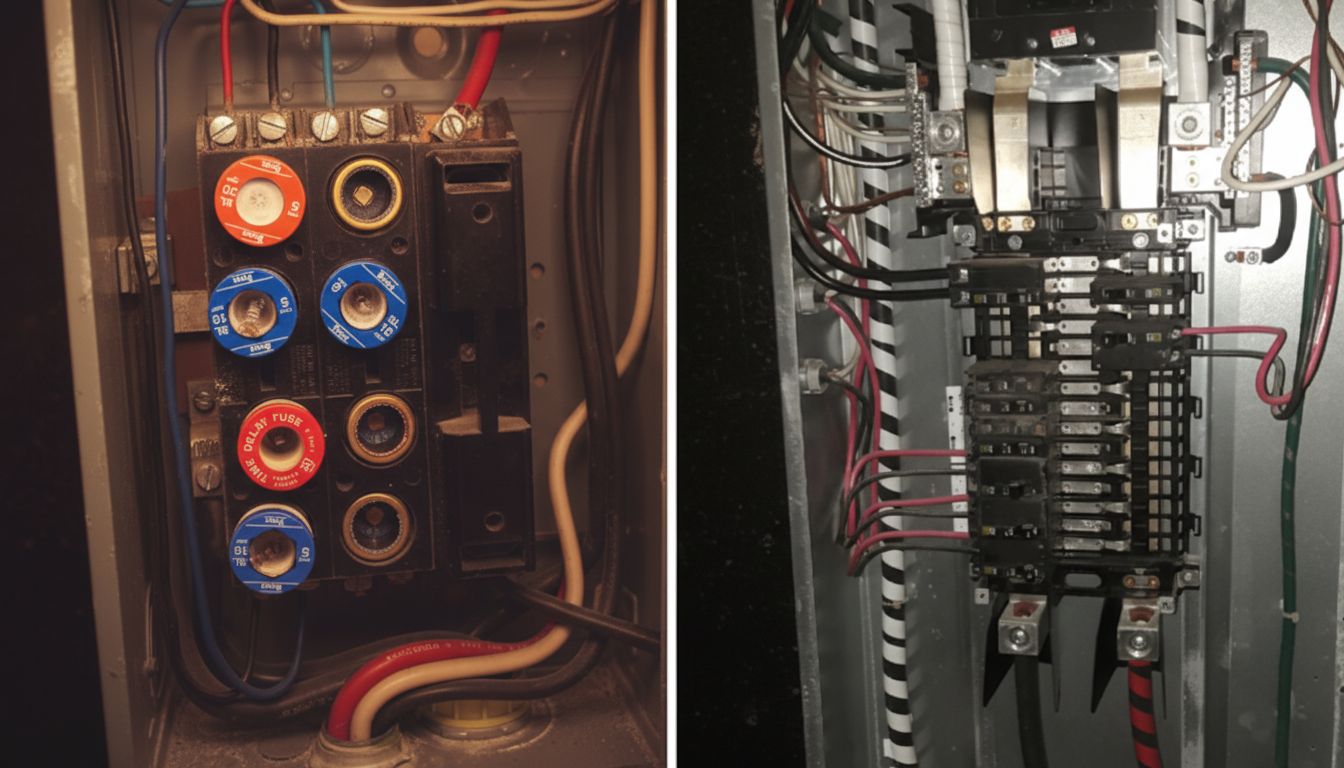
AFCI (arc fault circuit interrupter) protection is required by the current Canadian Electrical Code in bedrooms and other living areas, similar to requirements in the US National Electrical Code. Older homes may lack AFCI protection on these circuits. A licensed electrician can add AFCI breakers to the panel for those circuits as an upgrade.
Aluminum Wiring Considerations
Some Canadian homes built between 1965 and 1975 have aluminum branch circuit wiring rather than copper. Aluminum wiring requires special outlets, switches, and connection methods rated for aluminum (marked CO/ALR). Standard outlets rated for copper only are not safe with aluminum wiring. If your home has aluminum wiring, a licensed electrician should inspect the system and replace any outlets or connections that are not properly rated. Canada power outlets in aluminum-wired homes should all carry the CO/ALR designation.
Traveling to Canada with US or International Appliances
Travelers from the US bringing electronics and small appliances to Canada need no adapters. The plug shapes, voltage, and frequency are identical. Travelers from Europe, the UK, Asia, or Australia need either a plug adapter (for shape only) or a voltage converter if their appliance does not support dual voltage. Check the power supply label on any electronic device. Most modern electronics like laptops, phone chargers, and cameras accept 100-240V and only need a plug adapter, not a converter. Hair dryers, electric shavers, and kitchen appliances are more likely to be single-voltage and require a full step-down converter.
Next Steps
If you’re renovating a Canadian home, purchase CSA-certified outlets from a licensed electrical supply house rather than online marketplaces that may ship non-certified products. For any work beyond swapping an outlet cover, hire a licensed electrician. Canadian electrical code work requires permits in most provinces for anything beyond basic outlet replacement. If your home has aluminum wiring, schedule an electrician inspection before purchasing or installing any new devices. Confirming outlet condition and certification before finishing walls saves significant remediation cost later.